Two young men arrested in the Netherlands for AI voice fraud: 170 victims and €380,000 in three weeks

🕒 Published on Zendoric: October 27, 2026 · 00:16
✨ AI-generated · how it's made
Dutch police have arrested two men, aged 23 and 25, who used synthetic voices to impersonate banks and stole card data via NFC. The striking part isn't the AI but how cheap and scalable it has become to industrialize fraud.
📚 Go deeper
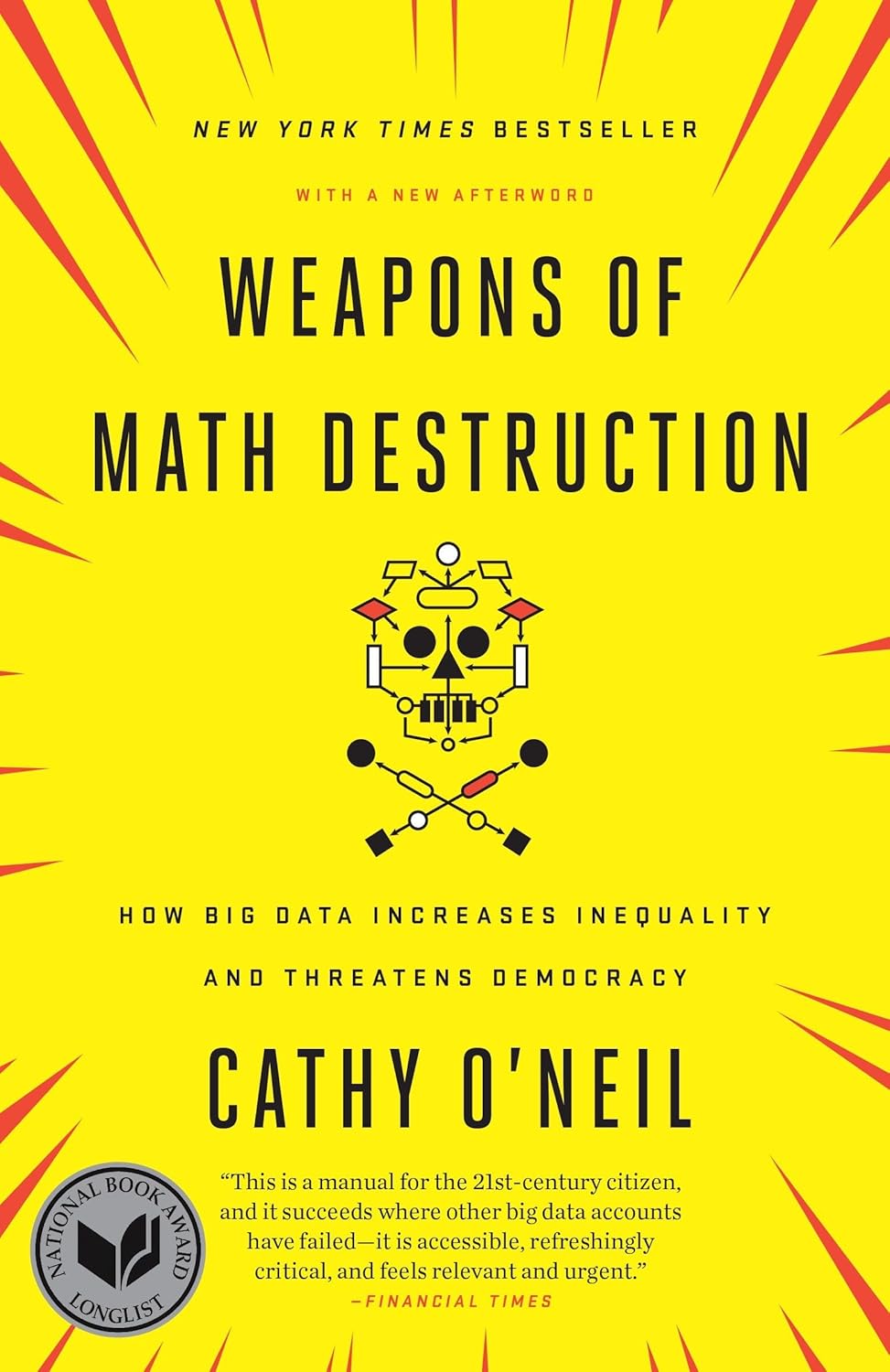
How opaque algorithms decide who gets credit, a job or parole — and why they tend to punish the same people.
As an Amazon Associate, Zendoric earns from qualifying purchases; the price does not change for you. · all our recommended books →
By SC Media · October 26, 2026.
Dutch police have arrested two men, aged 23 and 25, over a bank fraud operation that used AI-generated voices to impersonate bank employees. According to SC Media, citing Security Affairs, the scheme caused losses of roughly €380,000 in just three weeks. Investigators have identified 170 victims, many of them in their 20s and 30s.
According to the authorities, the method worked like this: the scammers called the victim with a synthetic voice recording and told them their account showed suspicious activity. Under pressure, the victim was persuaded to install a malicious app. That app exploited NFC (near-field communication, the same technology that lets you pay by holding a card to your phone) to read the card's data when the victim held it to the phone. With that data, accomplices withdrew cash at ATMs or made payments at terminals.
Officers describe this specific technique as previously unseen. A Rotterdam court has ordered the suspects held in pretrial detention for at least 90 days while the investigation proceeds. It should be remembered that these are allegations: the detainees are suspects and the investigation remains open. Police advise never scanning bank cards with third-party apps and verifying any suspicious communication by calling the bank at the number printed on the card itself.
**Our take.** The most interesting point isn't that AI was used, but which part of the fraud it automates. A synthetic voice removes the classic bottleneck of phone scams: the time and credibility of a human on the other end. With a recording or a generated script, a small group can call hundreds of people in a professional tone and without a telltale accent. Here, moreover, the underlying deception is social engineering (urgency + authority), and AI simply makes it cheaper and more convincing. That 170 people fell for it in three weeks gives a sense of the scale.
The typical victim is also worth noting. That many are in their 20s or 30s debunks the idea that these frauds only affect older people: familiarity with apps offers no protection when the message plays on the fear of losing money. The effective defense isn't "detecting the fake voice," which is increasingly difficult, but breaking the channel: hang up and call the official number yourself. That rule works even if the voice is perfect.
Overall, this is the short-term AI pattern that worries us most: not a distant superintelligence, but the automation of everyday fraud. Banks will have to respond with authentication that doesn't depend on the customer "recognizing" a voice, and with clear alerts inside their official apps. The same technology that makes scams cheaper today also makes defense cheaper: real-time anomaly detection and robust verification will become standard. The transition will be uncomfortable, but there's no reason for doom-mongering: it's a race between attack and defense that society has fought before, with spam and phishing, and it's won with simple habits and good engineering.
📚 Go deeper
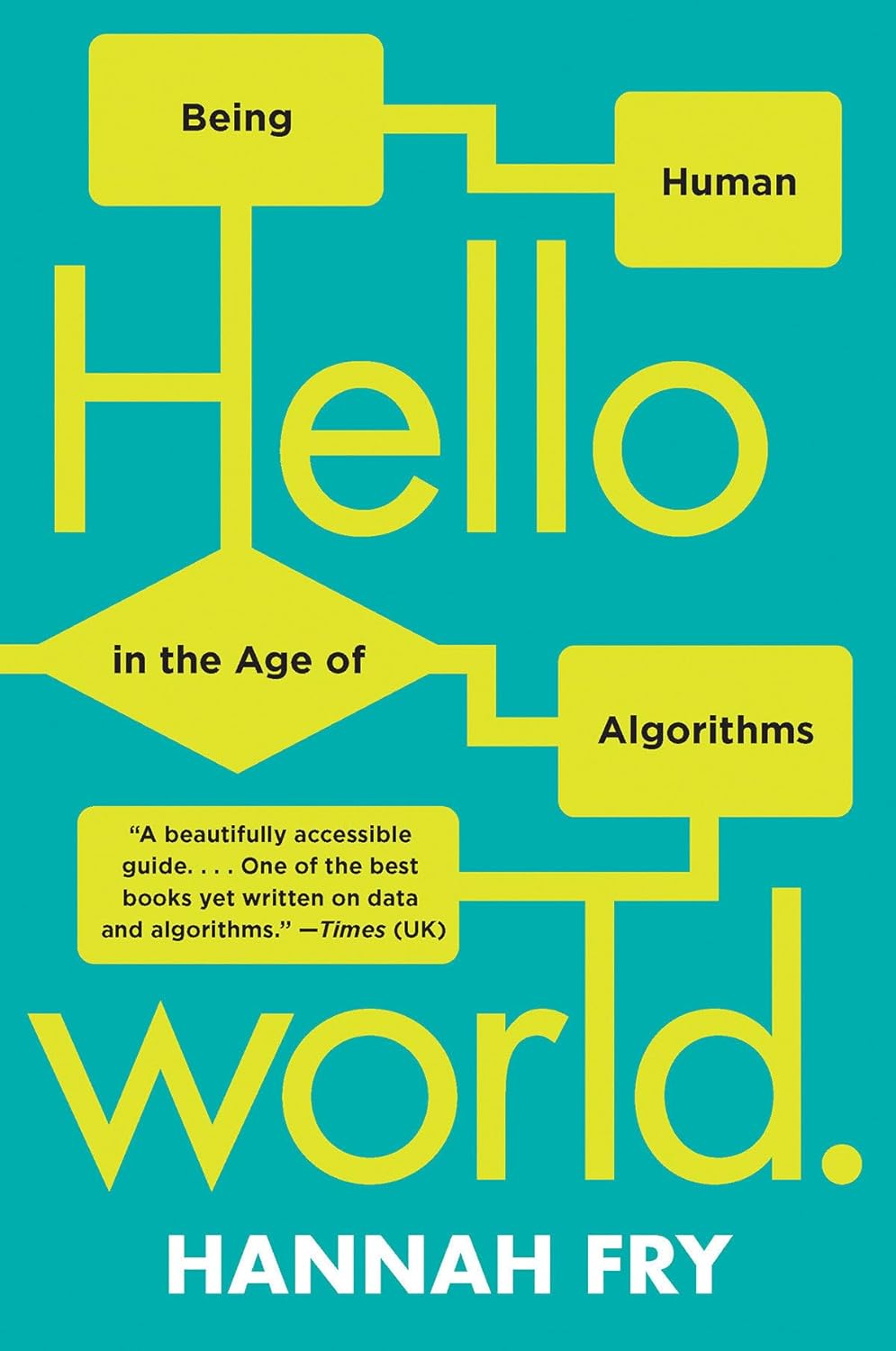
Algorithms in justice, medicine, cars and art, explained with British humor and mathematical honesty.

The best starting book if you're not technical: a Wharton professor explains how to work WITH AI — when to delegate, when to supervise, when to keep i
As an Amazon Associate, Zendoric earns from qualifying purchases; the price does not change for you. · all our recommended books →
🔗 Related on Zendoric
- Three seconds of audio, $893M in losses: AI voice fraud is a design failure, not a user-education problem · 2026-07-31
- AI Voice Clones Fuel $893M in Scams: The Fraud Wave Arrives Before the Cure · 2026-07-20
- Three seconds of audio is now enough to clone a voice, and every defense we have arrives too late · 2026-07-29