Three seconds of audio is now enough to clone a voice, and every defense we have arrives too late

🕒 Published on Zendoric: July 29, 2026 · 00:34
✨ AI-generated · how it's made
The FBI logged more than 22,000 AI-related fraud complaints and $893 million in losses in 2025, with $352 million taken from victims aged 60 and over. The technology needs three seconds of your grandchild's TikTok audio; the safeguards, as engineer Tim Green documents, mostly work after the money is gone.
📚 Go deeper
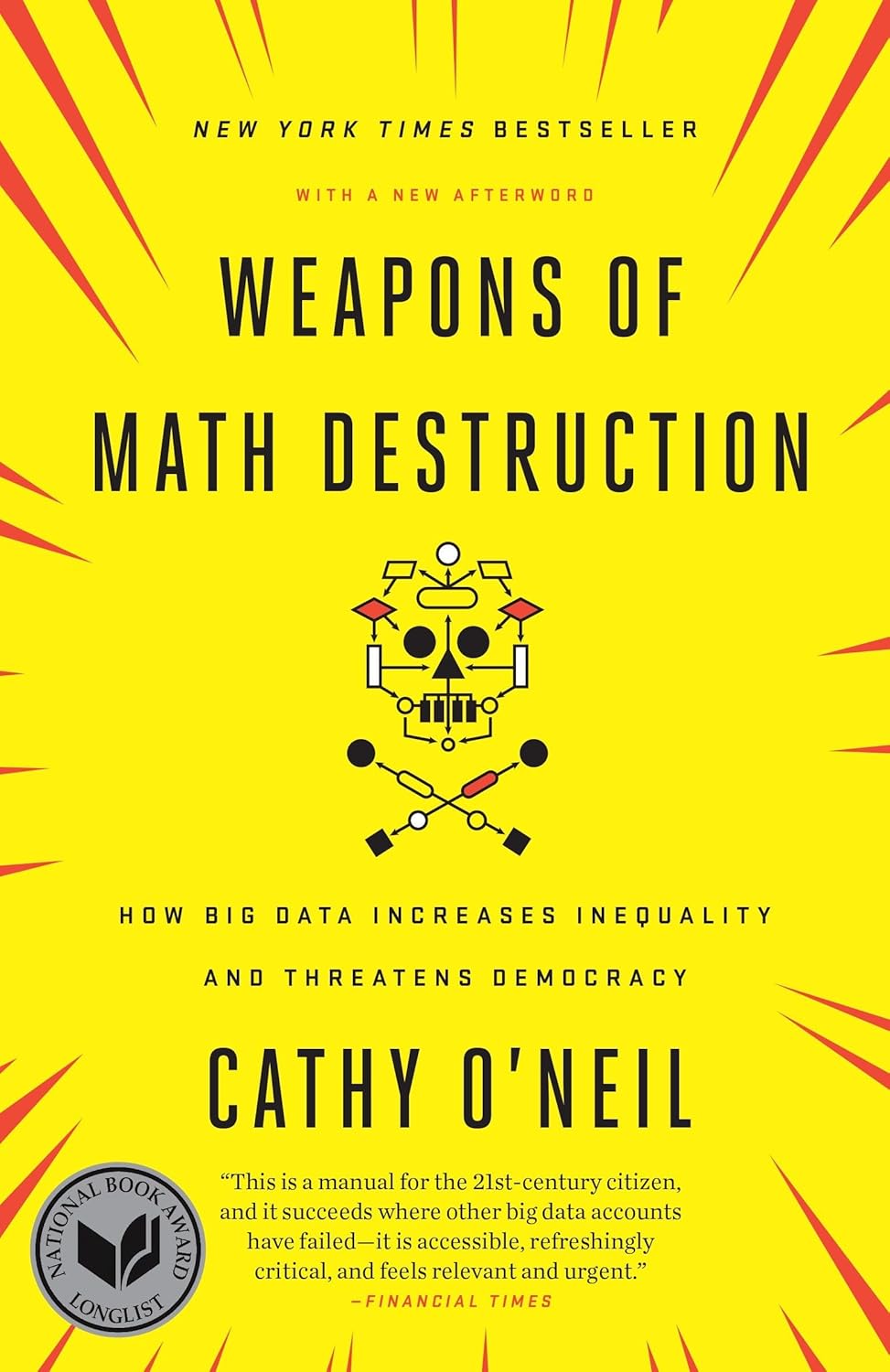
How opaque algorithms decide who gets credit, a job or parole — and why they tend to punish the same people.
As an Amazon Associate, Zendoric earns from qualifying purchases; the price does not change for you. · all our recommended books →
The numbers are now official. In April 2026, the FBI's Internet Crime Complaint Center published its 2025 annual report and, for the first time in the report's 26-year history, broke out "AI-driven fraud" as its own category: more than 22,000 complaints and losses above $893 million. Victims aged 60 and over accounted for $352 million of that — the most targeted age group in AI-enabled financial crime. The FBI itself notes the figures only cover fraud that victims recognized and reported.
Engineer Tim Green, who compiled an analysis of these schemes for SmarterArticles, argues that $893 million should be read as a floor, not a ceiling. His reasoning is uncomfortable and hard to dispute: most victims of a cloned-voice call never learn that AI was involved at all. They file a complaint about a scam, not about a synthetic voice. The category is undercounted by construction.
The mechanics explain the scale. Sharon Brightwell, a Hillsborough County, Florida resident, received a call in July 2025 that she described as "like hearing my daughter crying." A cloned voice said she had struck a pregnant woman while driving and that police had taken her phone. A second man, posing as a lawyer, asked for $15,000 in bail and told Brightwell not to explain the purpose when withdrawing the cash, warning it could damage her daughter's reputation. Within an hour she had handed the money to a courier. The technical requirement for all of that was three seconds of audio — obtainable from a voicemail, a podcast clip, or one Instagram post. As Green puts it, a grandchild in a single TikTok video supplies everything a scammer needs.
The defense side is where the analysis gets genuinely damning. Consumer Reports found that most voice-cloning products — Descript, ElevenLabs, Lovo, PlayHT, Resemble AI, Speechify — lack effective measures against misuse. ElevenLabs, the most prominent, does run a multi-layered program: an impersonation ban in its usage policy, a public classifier that flags audio likely generated by its own system, provenance tracking that ties output to the creating account, and protected-voice blocks during election periods. Green credits these as better than most competitors' and then identifies the structural flaw: almost all of them are reactive. They help investigators trace a clone after a retiree's savings are gone. None of them prevents the clone from being generated in the first place, because the mechanism that would — rigorous, enforceable verification at the point of generation — is exactly the friction a fast-moving competitive market refuses to impose on itself when it costs revenue.
Our read: this is the clearest example yet of the short-term bill that comes due before the long-term benefit. Voice synthesis is a genuinely good technology — it restores speech to people who lost it, makes content accessible across languages, and will keep getting cheaper. The fraud is not a misuse of a bad tool; it is the predictable externality of a good one shipped without a cost structure that internalizes the harm. And it lands on the people least equipped to absorb it. Green's observation deserves repeating: you can explain a hundred times that voices can be faked, and that knowledge evaporates the moment a child's voice asks for help. Awareness campaigns are not a defense against a hijacked parental reflex.
The fix Green proposes — identity verification when a user begins cloning, so that every synthetic voice traces to a verified human — is the right shape, and it will not happen voluntarily. This is precisely the case where regulation earns its keep: not banning capability, but attaching accountability to the point of generation, the way we already do for financial instruments. It is also consistent with a thesis we keep returning to: the near-term AI danger is not a distant superintelligence, it is the industrialization of ordinary crime. Fraud has always existed; what changed is that it now scales at software margins. Two practical defenses cost nothing while the policy catches up — a family passphrase agreed on in advance, and an absolute rule that no money moves on a phone call until you hang up and dial back a known number.
📚 Go deeper
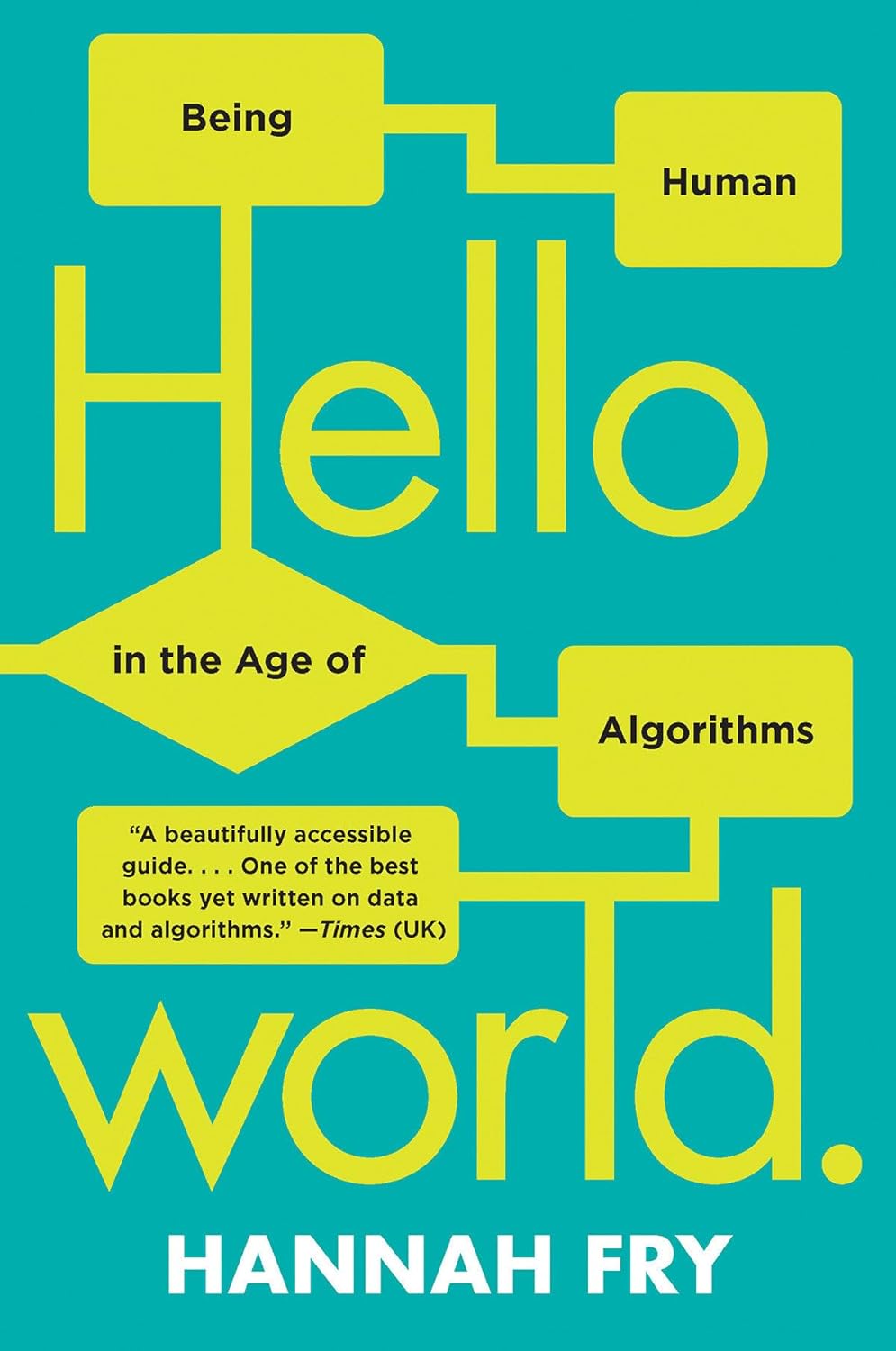
Algorithms in justice, medicine, cars and art, explained with British humor and mathematical honesty.

AI as the latest chapter in the history of information networks, from gossip to the printing press to the algorithm.
As an Amazon Associate, Zendoric earns from qualifying purchases; the price does not change for you. · all our recommended books →
🔗 Related on Zendoric
- Voice cloning now needs three seconds — and every defense we have only works after the money is gone · 2026-07-30
- Three seconds of audio is enough: AI voice fraud's flaw is that every defense arrives after the money is gone · 2026-07-28
- Three seconds of audio is enough: AI voice fraud is winning because every defense arrives after the money is gone · 2026-08-31