Recommended AI books
Twenty-seven books, chosen with judgment: four can be read legally for FREE (their authors publish them openly), three at $0 with Kindle Unlimited and twenty paid ones covering practice, business, history and criticism. None is filler.
🆓 Free (start here)
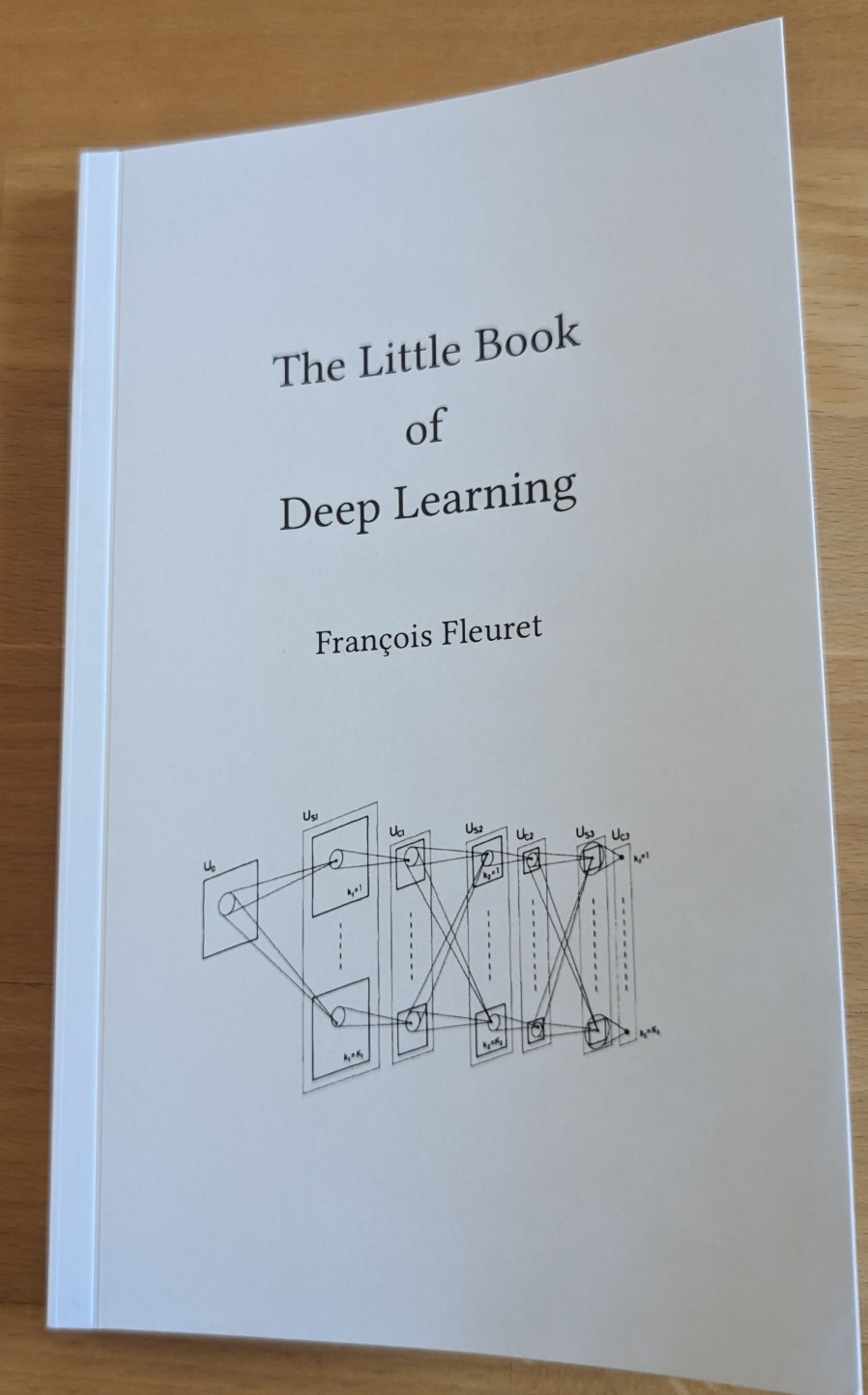
All the essential deep learning in ~160 pocket-sized pages, written by a University of Geneva professor and published for free. It takes some math, but it's the shortest honest route to truly understanding what's inside a neural network.
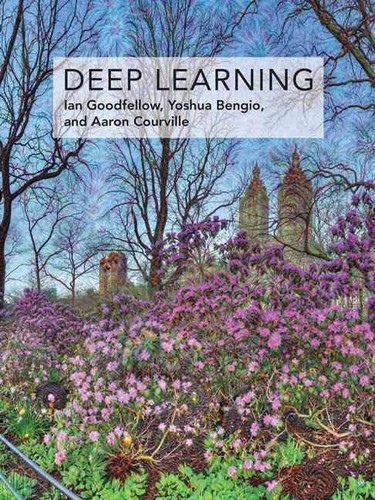
The academic "bible" of deep learning, with a Turing Award winner among its authors, and legally free on the web. It's aged, but the foundations it teaches — the ones holding up ChatGPT and friends — haven't expired.
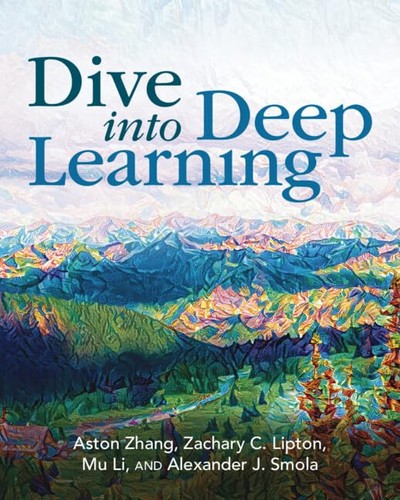
An interactive book-course: every concept ships with runnable code (PyTorch included) and it's continuously updated. Hundreds of universities use it. If you learn by doing, it's the best free option to go from theory to training your own models.
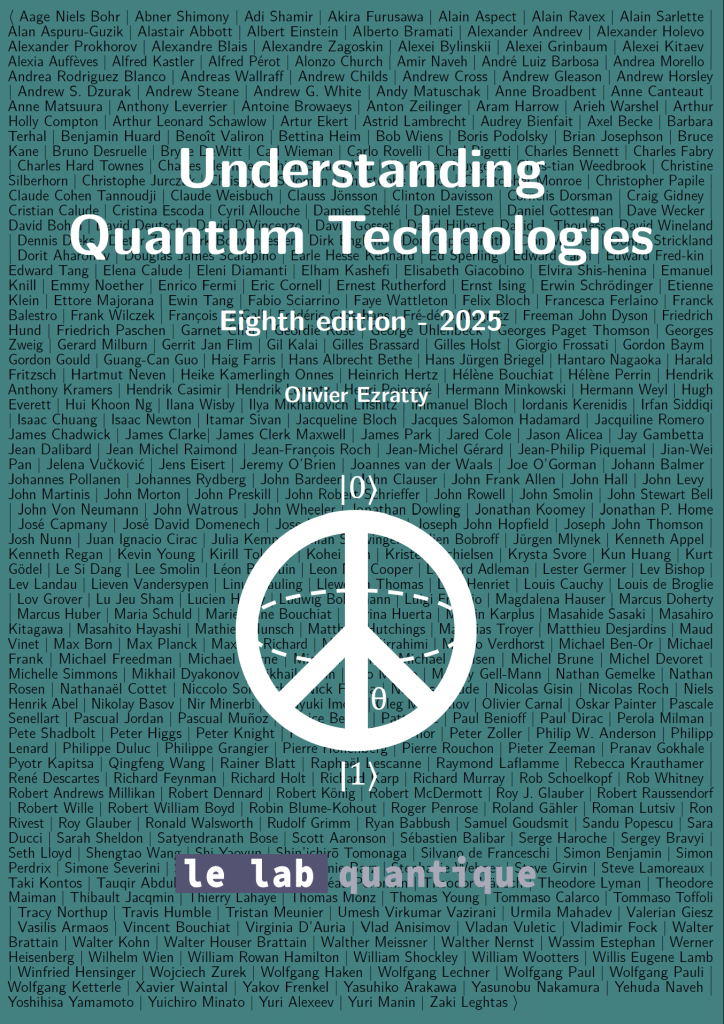
The encyclopedia of quantum technologies, updated EVERY YEAR and published free by its author: hardware, algorithms, companies, funding — with entire chapters on quantum machine learning and AI applied to quantum. If the AI-quantum crossover truly interests you, it is all here, rigorous and hype-free.
💳 Paid (and worth it)
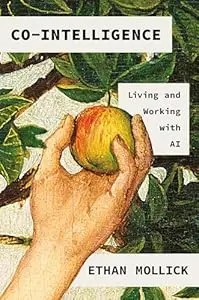
The best starting book if you're not technical: a Wharton professor explains how to work WITH AI — when to delegate, when to supervise, when to keep it away — using real experiments instead of opinions. Practical, skeptical and optimistic at once.
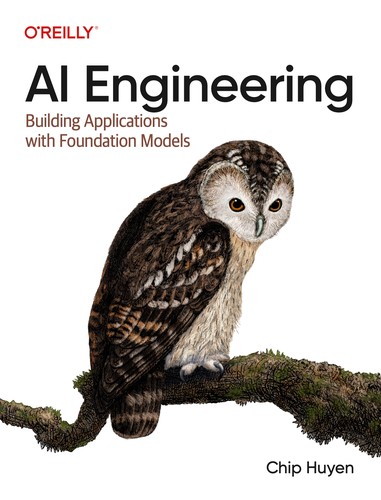
The reference manual for building products on top of AI models: prompts, RAG, fine-tuning, agents, evaluation and deployment. It became O'Reilly's most-read book for a reason: if you build with AI, this is the one that stays on your desk.
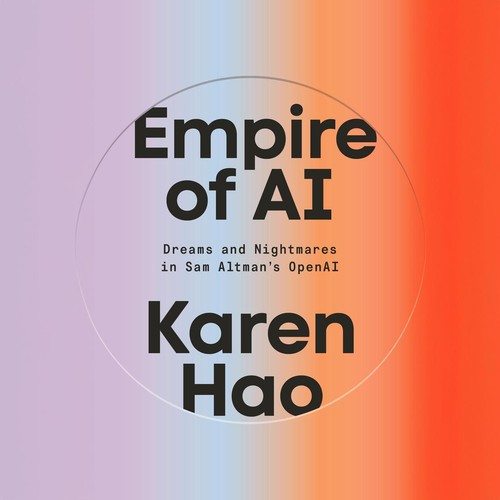
The definitive piece of investigative journalism on OpenAI: 260+ interviews, the clash between safety and speed, and the attempted firing of Sam Altman told from inside. Critical and at times uncomfortable — exactly why it should be read alongside the enthusiasts.
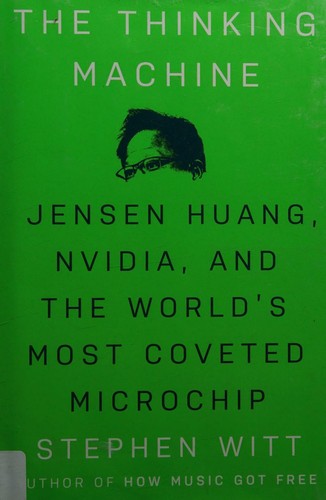
The story of NVIDIA and Jensen Huang: how a video-game card company ended up making the most coveted resource on the planet. Essential for understanding AI's physical economy — chips, fabs and power — that underpins everything else.
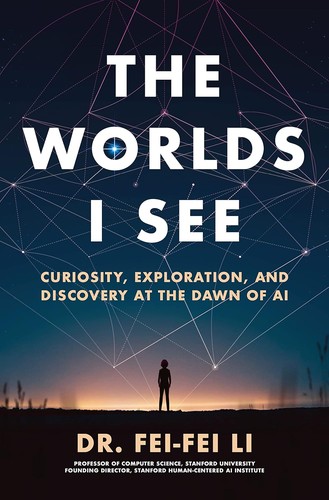
The memoir of the creator of ImageNet, the scientist who made the deep learning revolution in vision possible. Science told as a life: immigration, the lab, and the case for human-centered AI. The human side missing from most technical books.
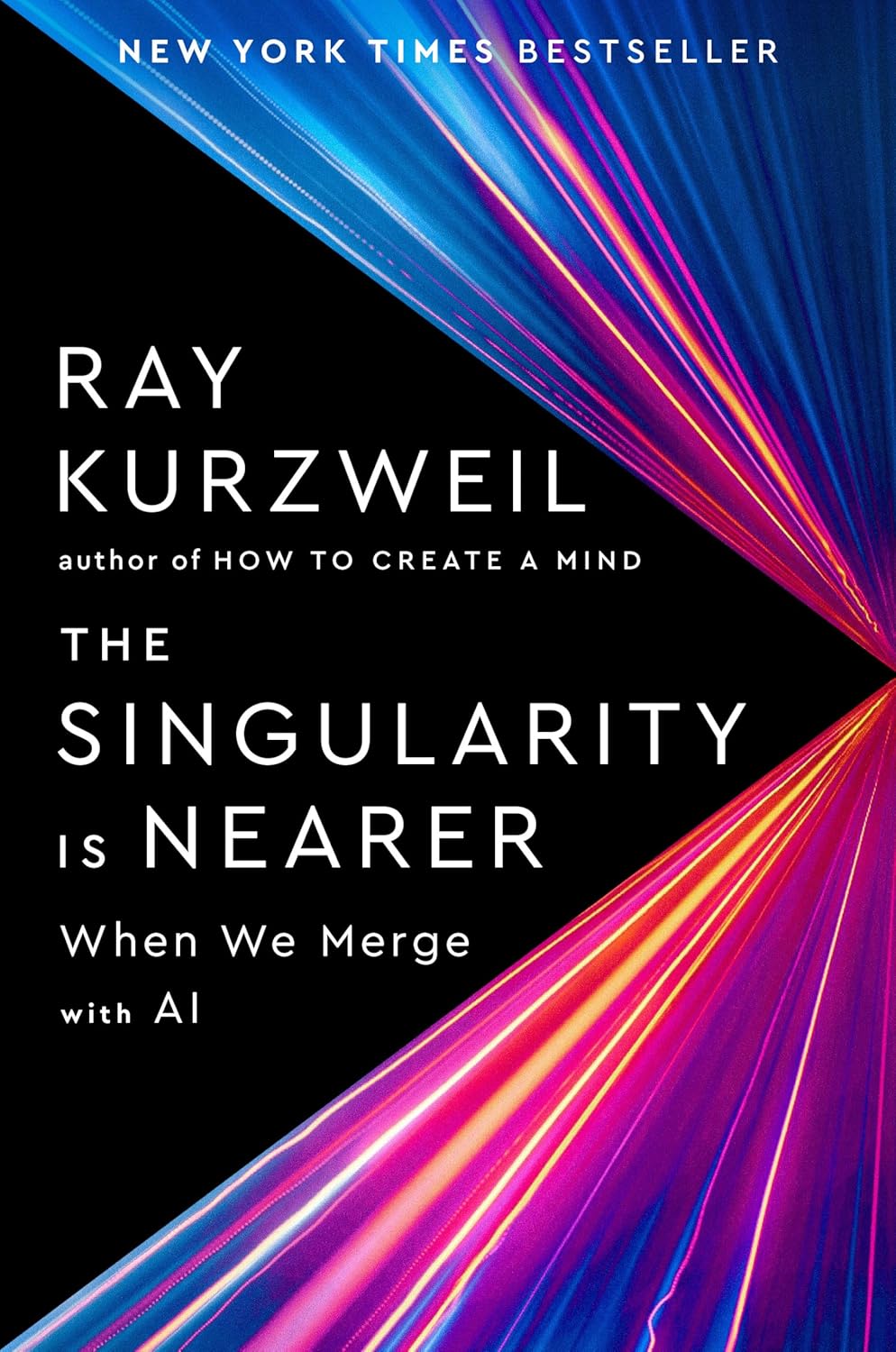
Twenty years after "The Singularity Is Near", Kurzweil revisits his predictions and keeps the date: human-AI merger around 2045. You can argue with almost all of it — and you should — but nobody's track record predicting this technology comes close. It's the map of radical optimism: read it with judgment and you'll know exactly what half of Silicon Valley believes.
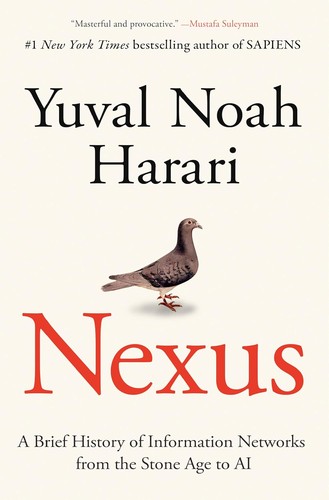
AI as the latest chapter in the history of information networks, from gossip to the printing press to the algorithm. Debatable in several theses — which is the point: it's the book that brings the AI conversation to readers who don't come from tech.
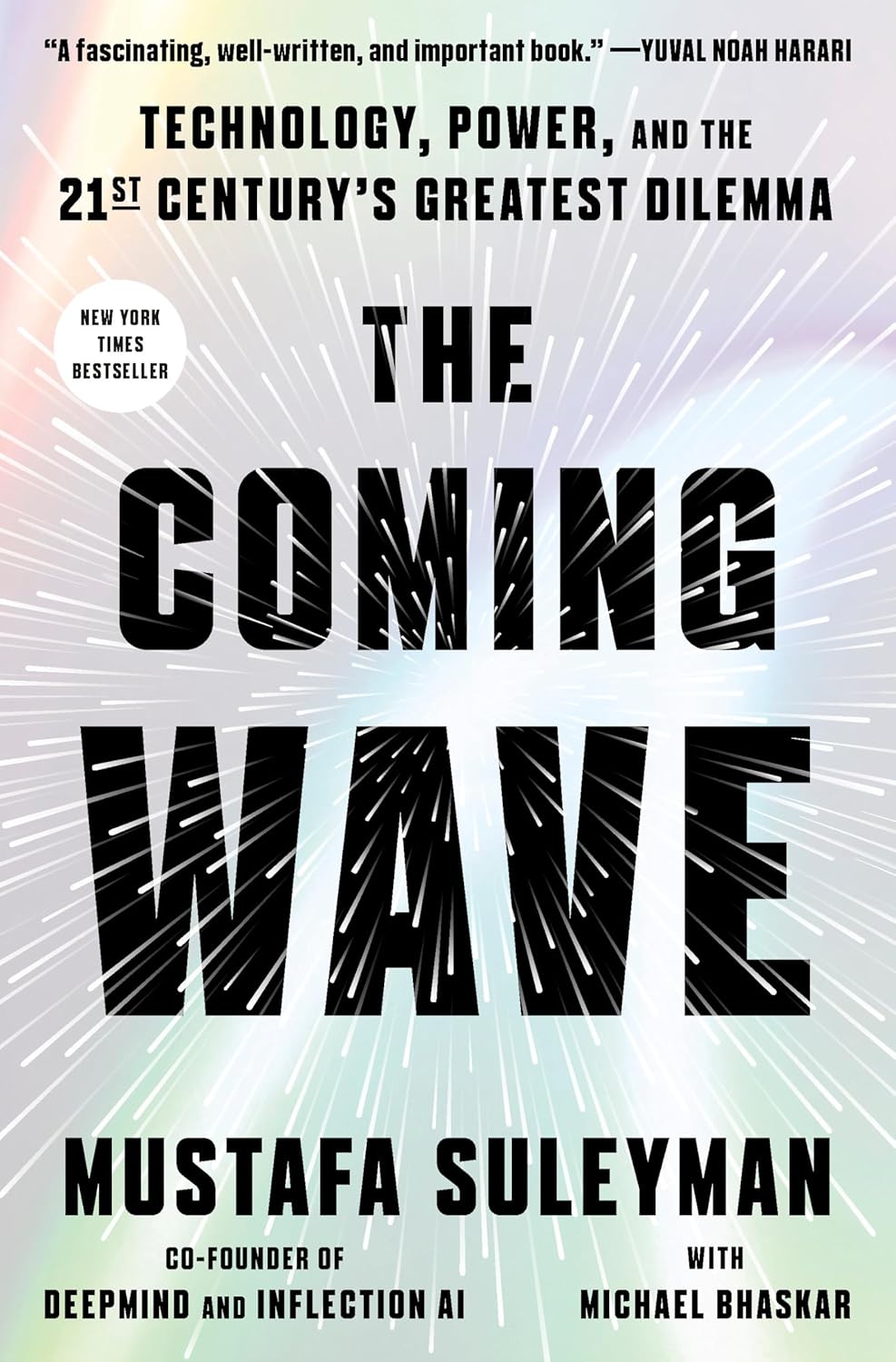
DeepMind co-founder on the dilemma of containing technologies that do not want to be contained. The perfect counterweight to Kurzweil: same future, written by someone building it who still asks for brakes. Among the most balanced books on real risks.
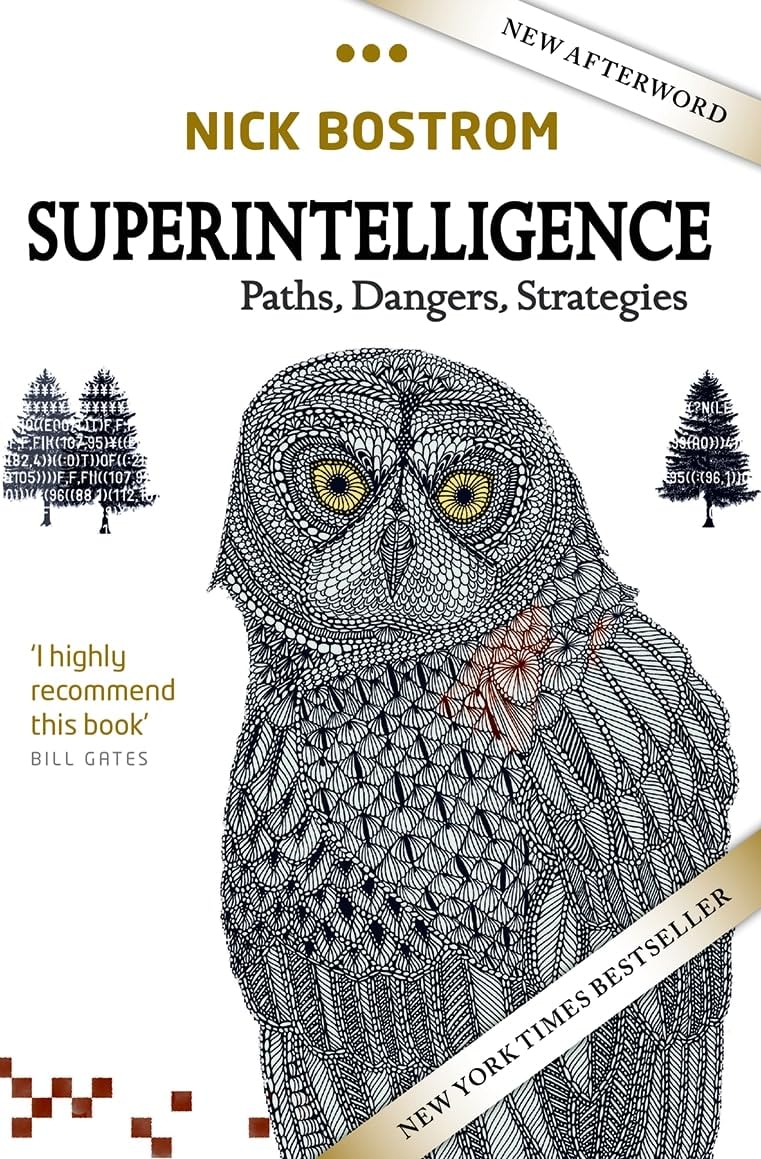
The book that started the existential-risk debate and that half the industry still cites. The technical details have aged, but the core argument — what happens if we build something smarter than us without knowing how to control it — remains unanswered. Dense but foundational.
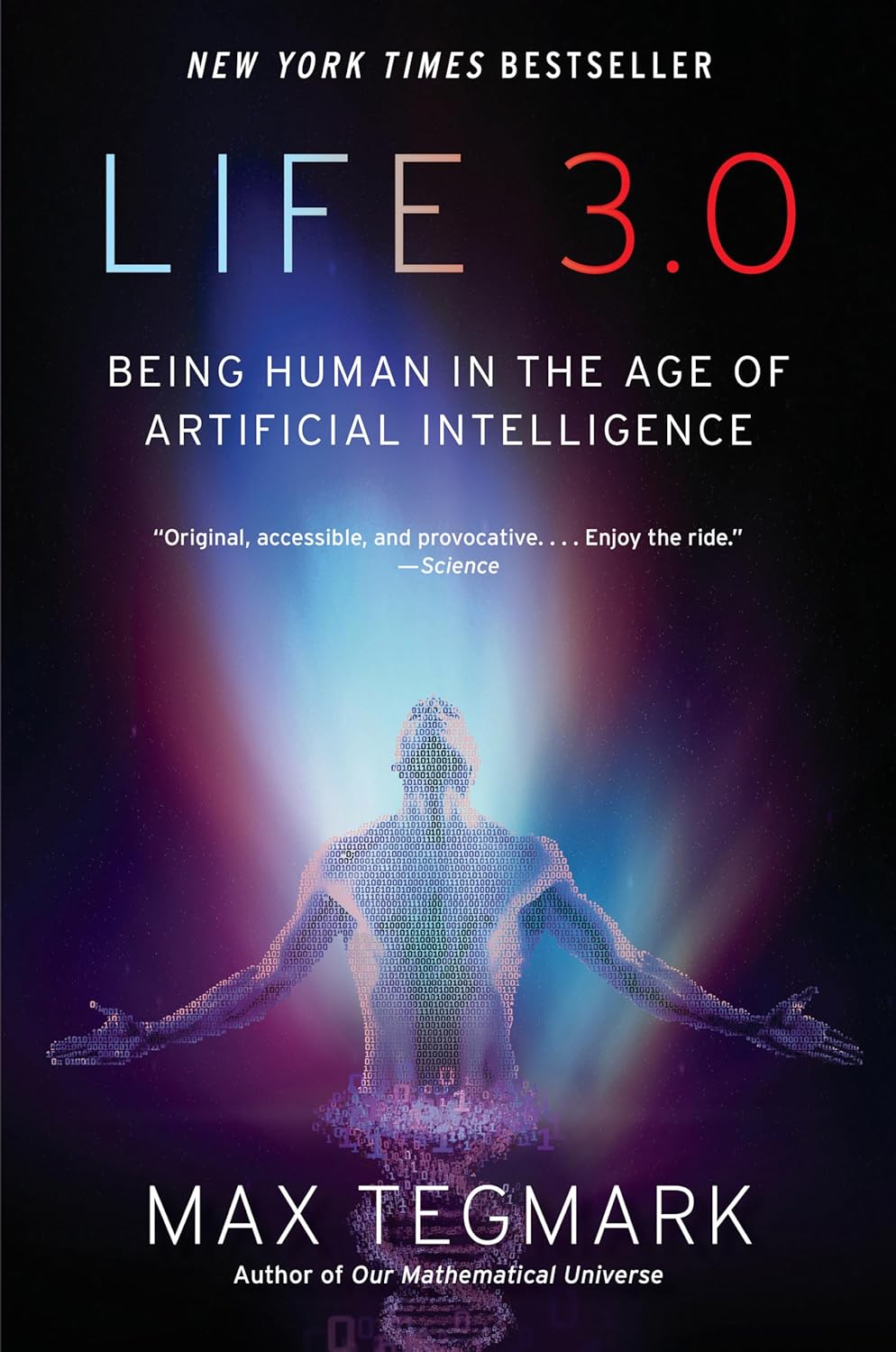
An MIT physicist walks through the possible scenarios — utopia to disaster — with the clarity of someone used to explaining the cosmos. More accessible than Bostrom with the same core question: what will being human mean when intelligence stops being our monopoly.
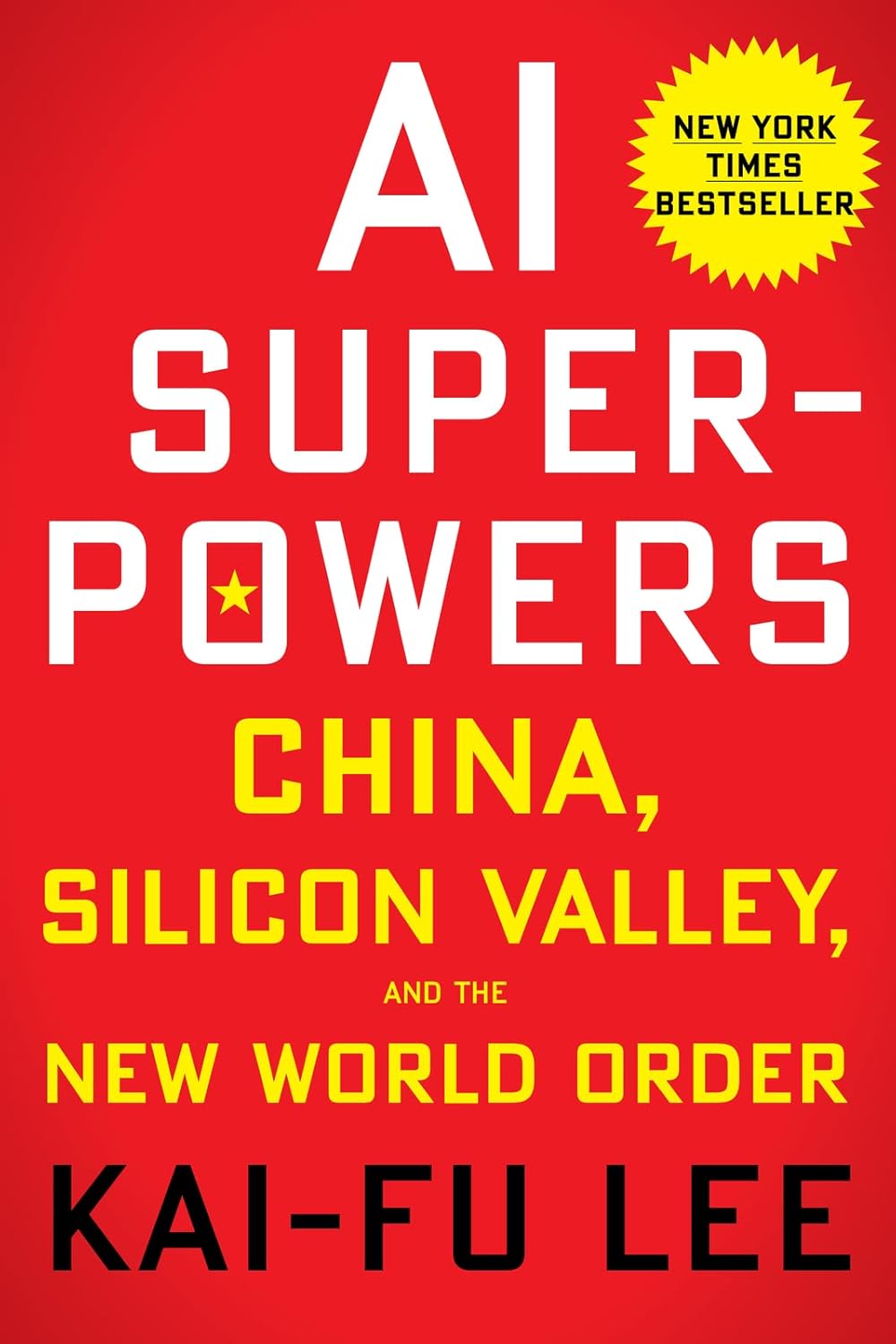
China vs. Silicon Valley told by the man who ran Google China and has invested on both sides. In 2018 it anticipated the geopolitical race that fills our daily headlines today. Read it alongside our chip and regulation coverage: it fits like a glove.
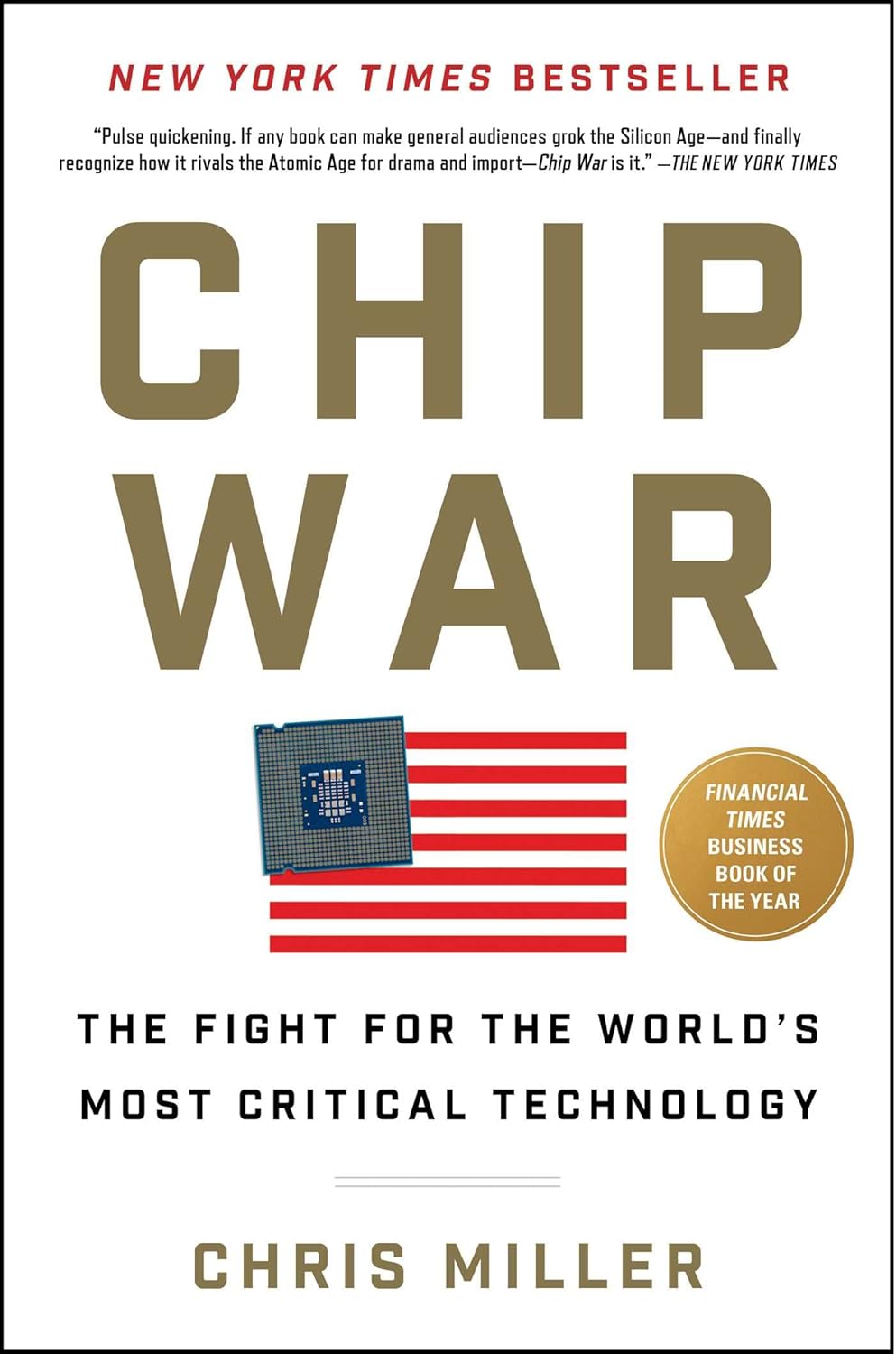
Semiconductors as the oil of the 21st century: history, espionage, and why an island of 23 million people underpins the entire AI economy. The natural companion to «The Thinking Machine»: NVIDIA designs, but this is the war over who gets to manufacture.
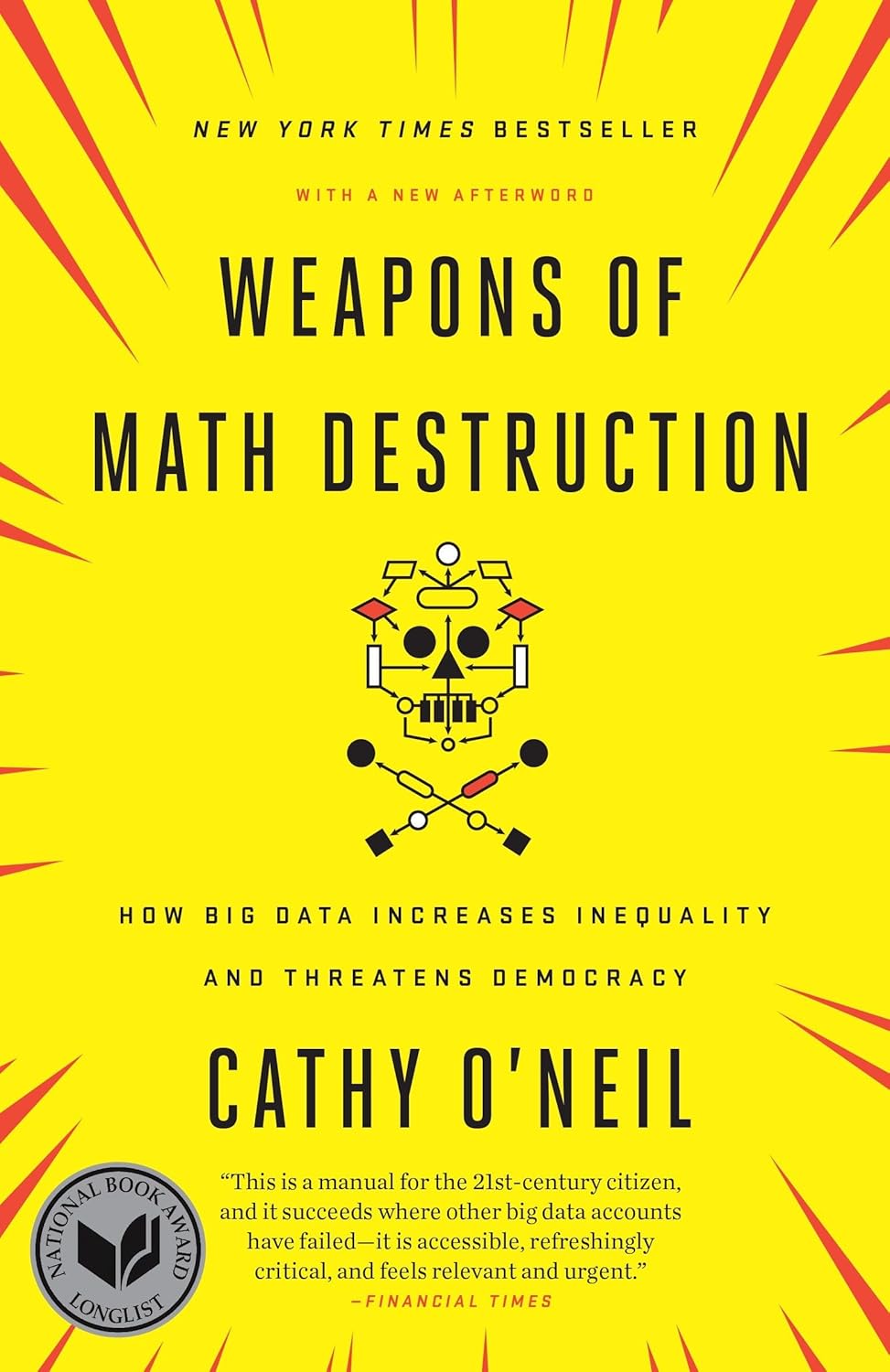
How opaque algorithms decide who gets credit, a job or parole — and why they tend to punish the same people. Written before the deep learning boom and more relevant than ever. The best-argued critique on the shelf; reading it vaccinates you against magical thinking.
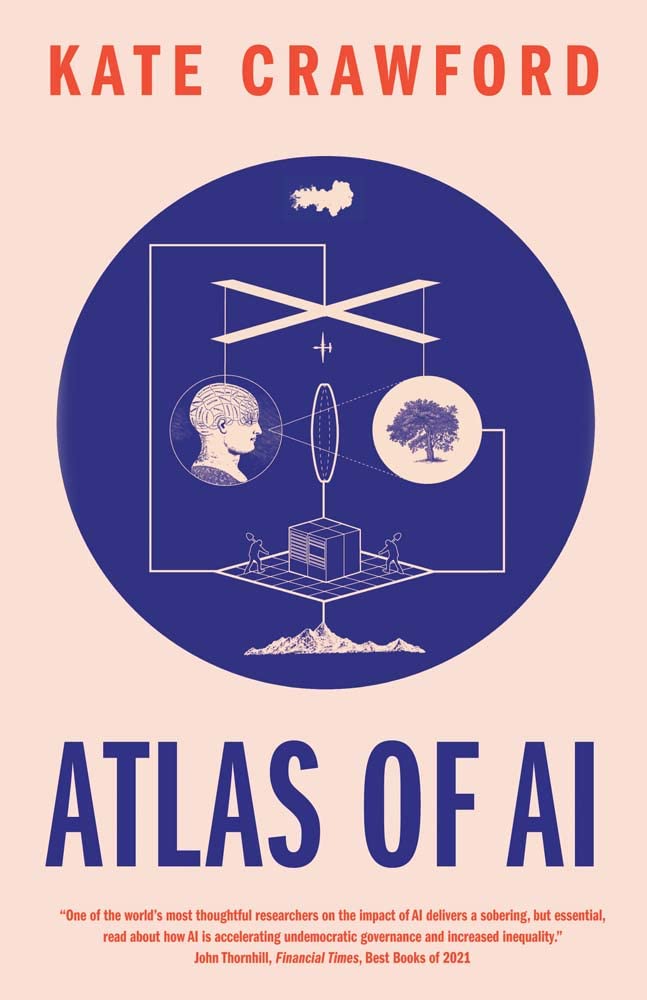
AI as an extractive industry: the lithium, the energy, the underpaid data-labeling work and the bodies behind the cloud. Uncomfortable on purpose. You do not have to agree with all of it to be glad someone looks under the rug.
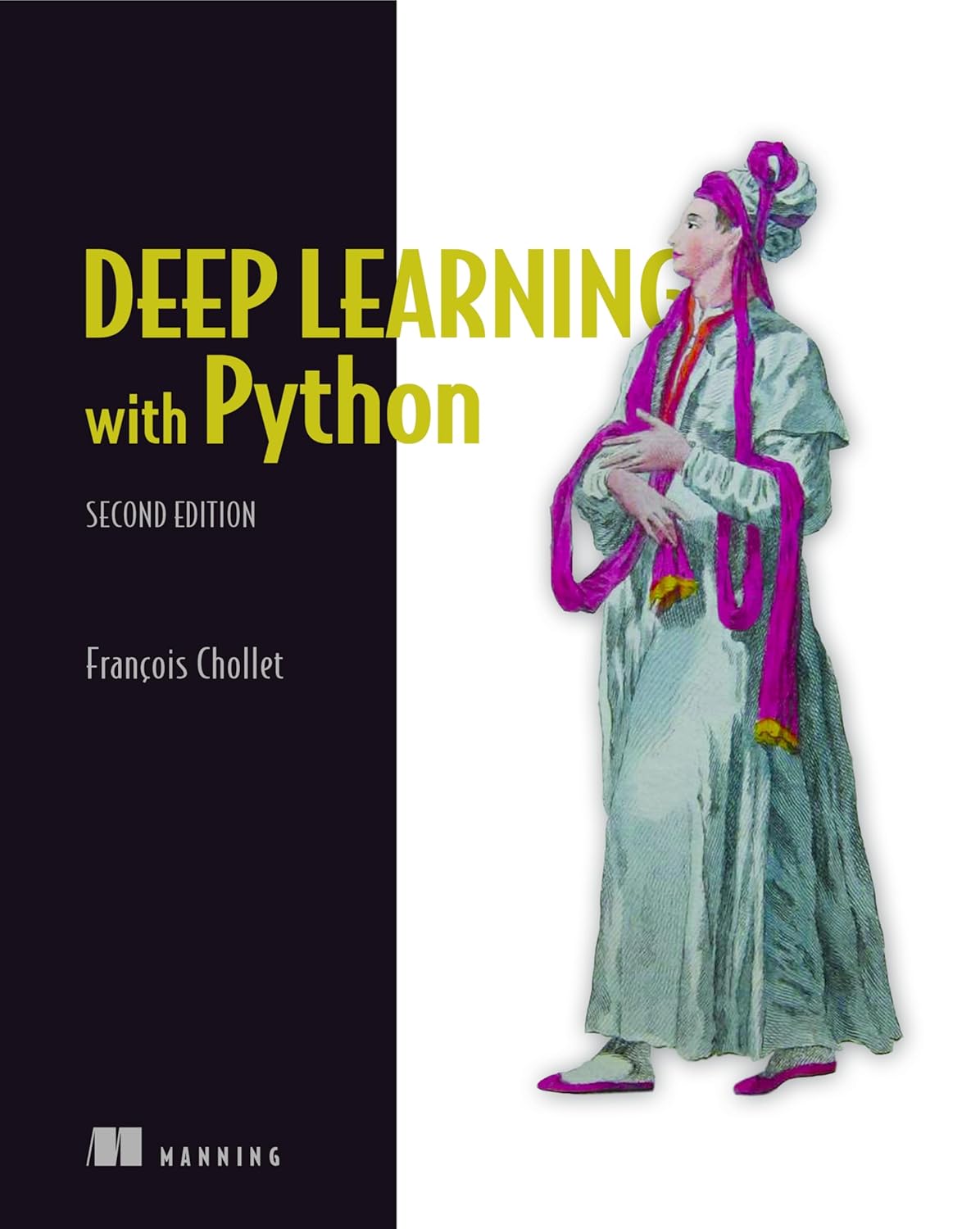
The creator of Keras teaching from scratch, with working code and zero pedantry. The perfect bridge between our three free picks and «AI Engineering»: just enough theory, plenty of practice. Note: the Spanish edition translates the 1st edition; the 2nd (English) is current.
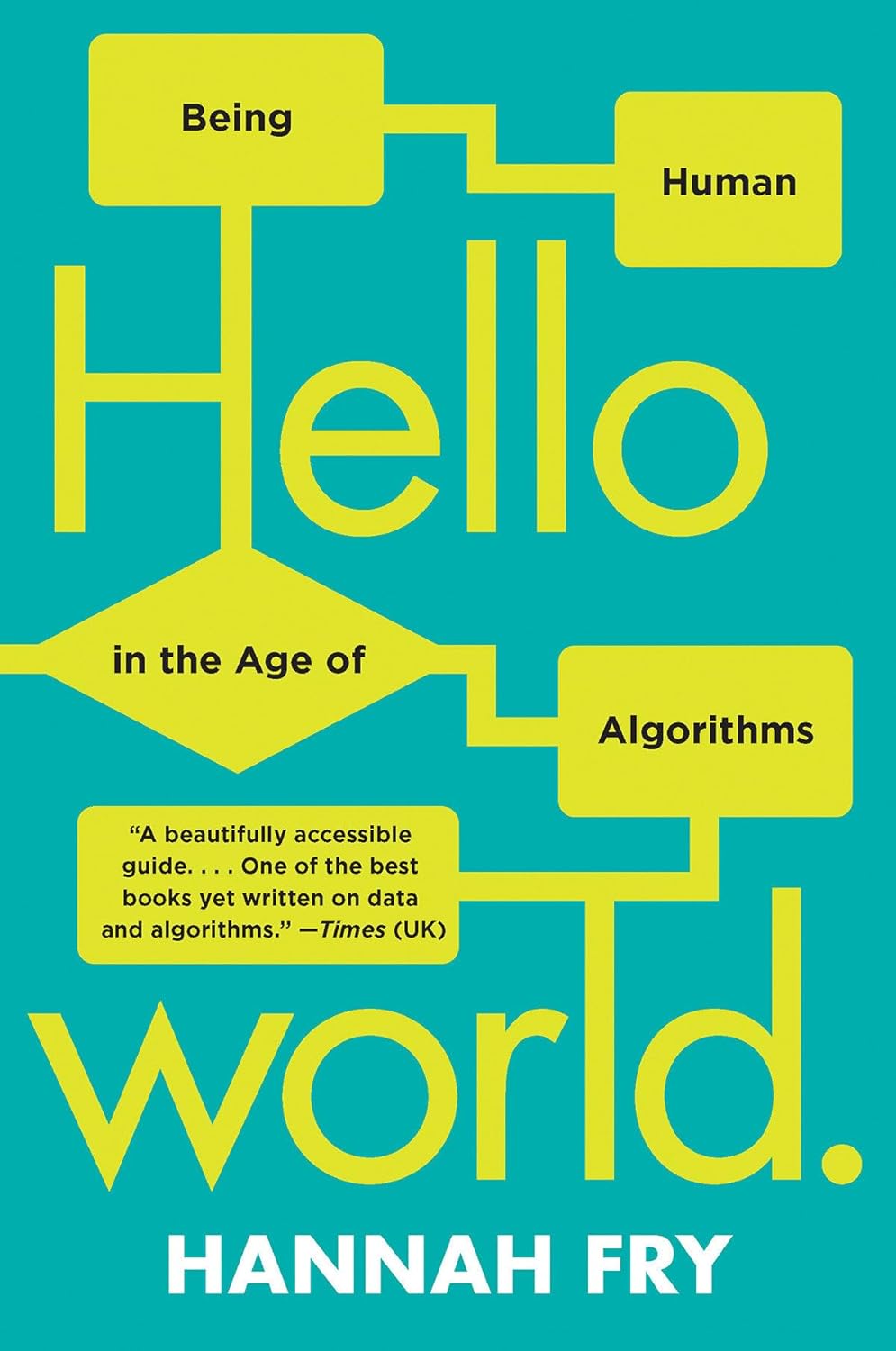
Algorithms in justice, medicine, cars and art, explained with British humor and mathematical honesty. If you gift one book from this list to a non-technical person, make it this one: read in two evenings, judgment installed.
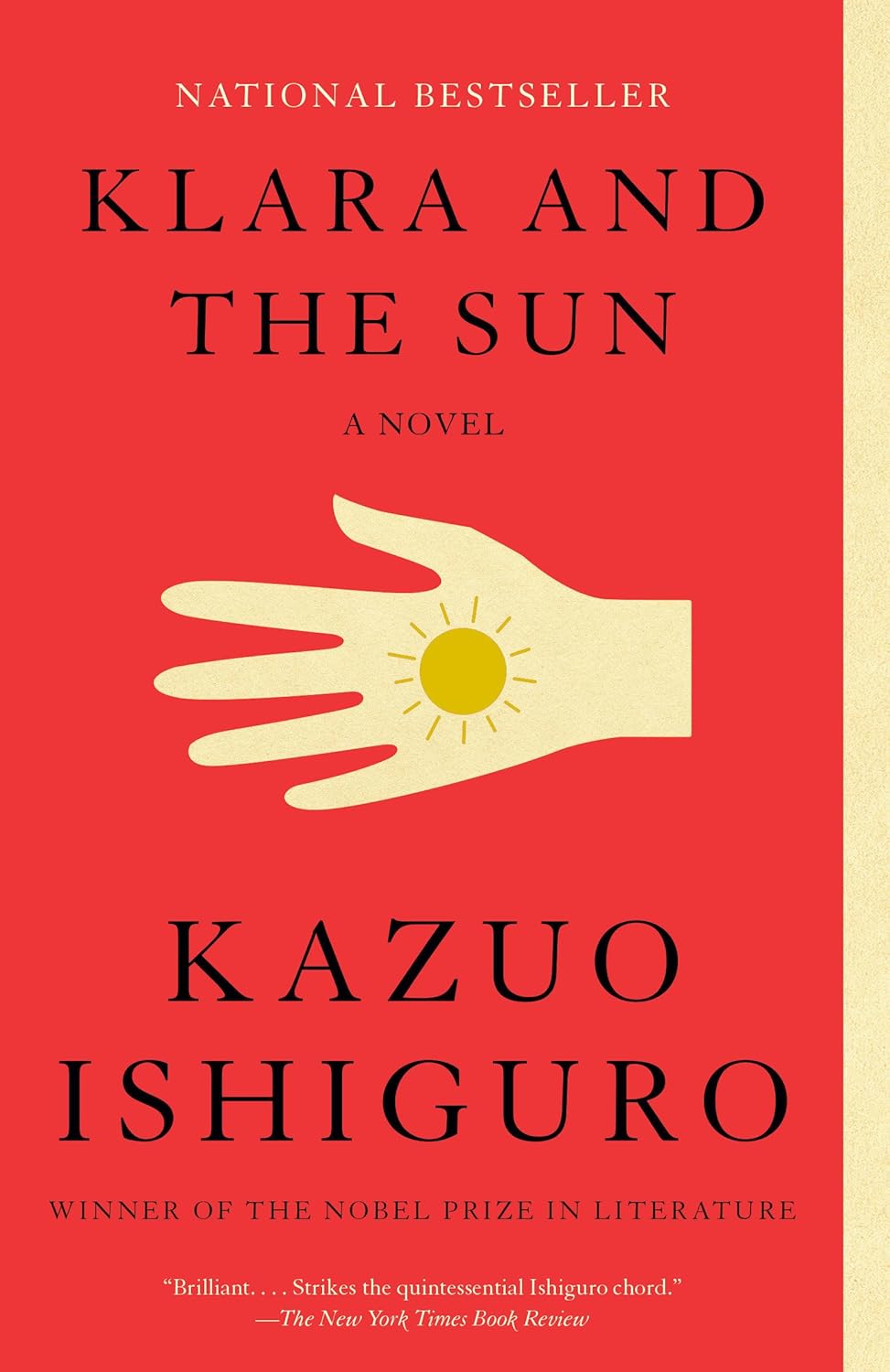
The only novel on the list, by a Nobel laureate: an artificial friend observes humans with a blend of lucidity and innocence no essay achieves. It says more about how we will treat machines — and they us — than many technical books. It stays with you for weeks.
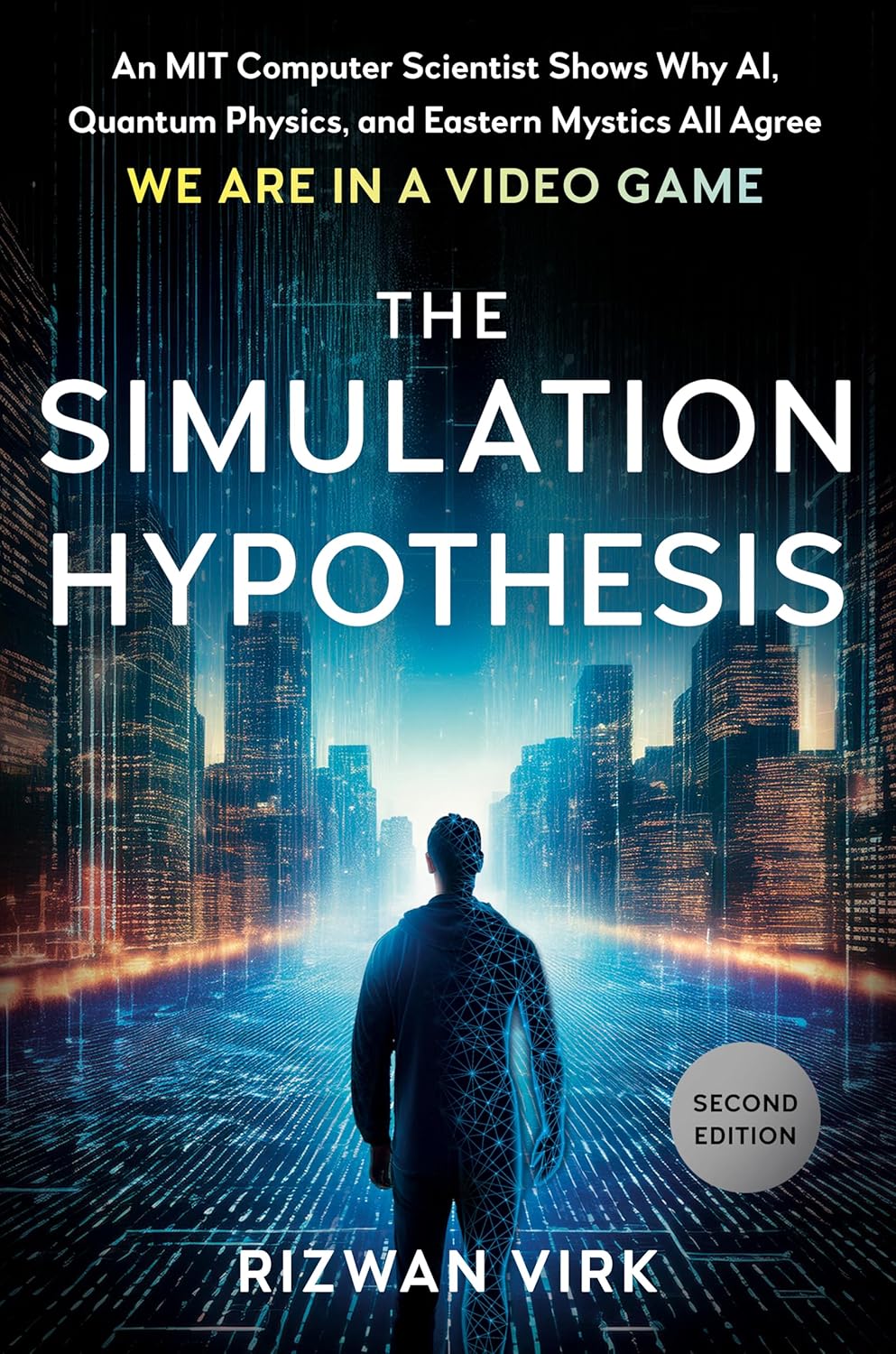
An MIT computer scientist connects AI, quantum physics and video games to take an uncomfortable question seriously: what if we live in a simulation? More rigorous than its premise suggests — the chapter on quantum computing and information is among the best ways to grasp why the two fields converge. Speculative, yes; also energizing.
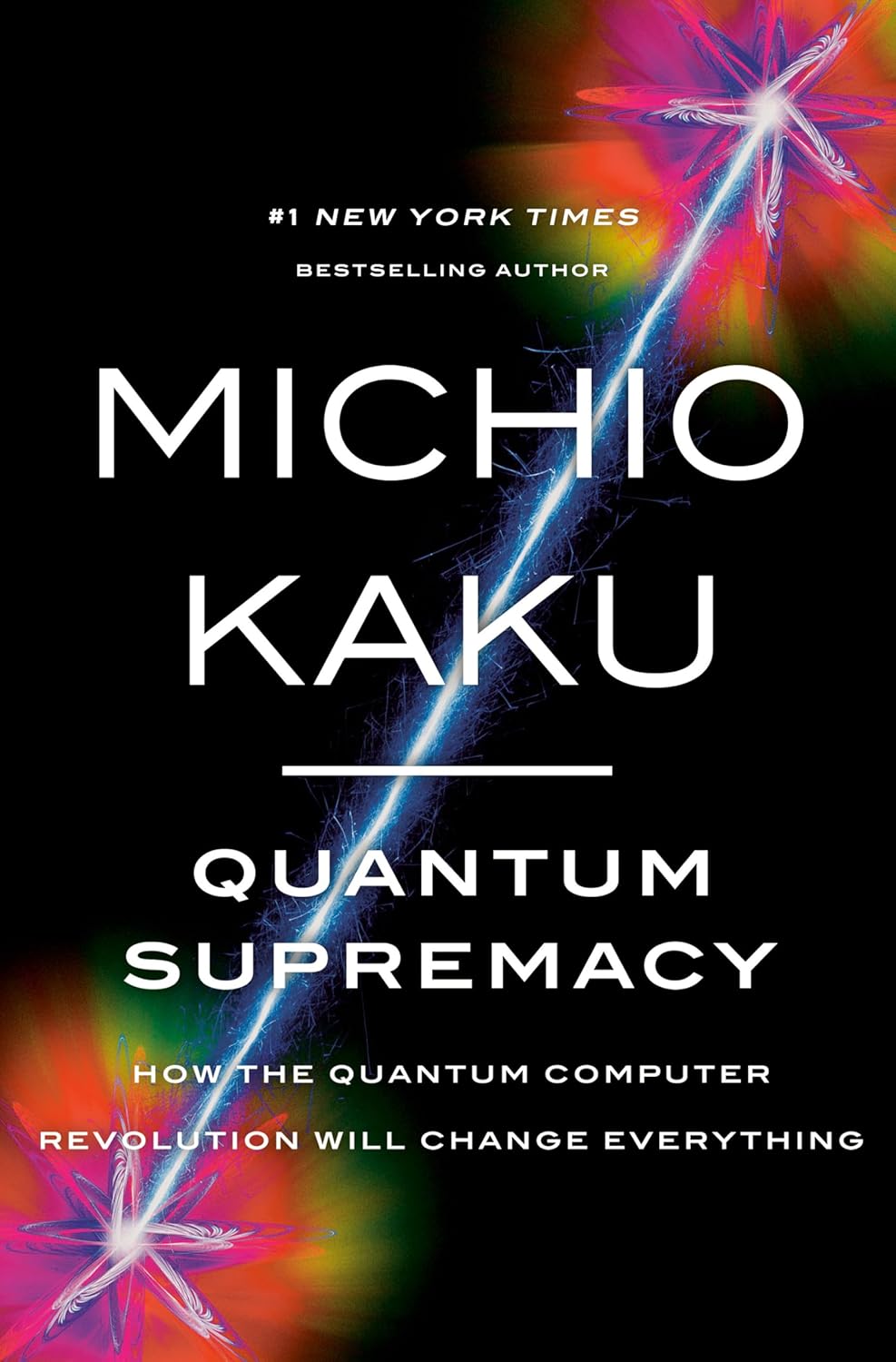
Physics' most-read popularizer explains what quantum computing will change — from drug discovery to machine learning. Kaku errs on the enthusiastic side (read it alongside our deep-dive on the topic, which puts the timelines in their place), but nobody tells the promise better. The general reader's gateway to the AI-quantum crossover.
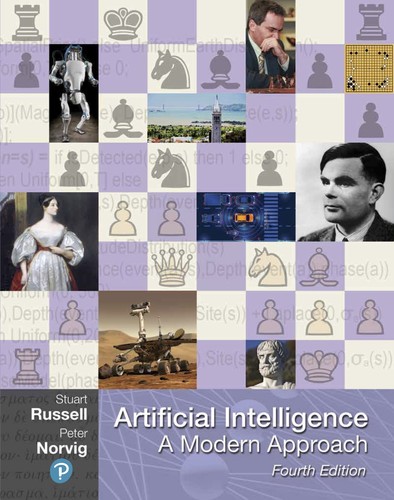
THE AI textbook: used by 1,500+ universities. Not couch reading and not cheap, but if you want the complete map of the field — from classical search to deep learning — with academic rigor, there is no substitute.
As an Amazon Associate, Zendoric earns from qualifying purchases. The price does not change for you.