McKinsey: What does AI really cost? The cost of running agents under usage-based pricing

🕒 Published on Zendoric: October 22, 2026 · 00:19
✨ AI-generated · how it's made
McKinsey has released an explainer video, part of its McKinsey Explainers series, titled «What does AI really cost?», on how to measure and maximize the value of AI.
📚 Go deeper
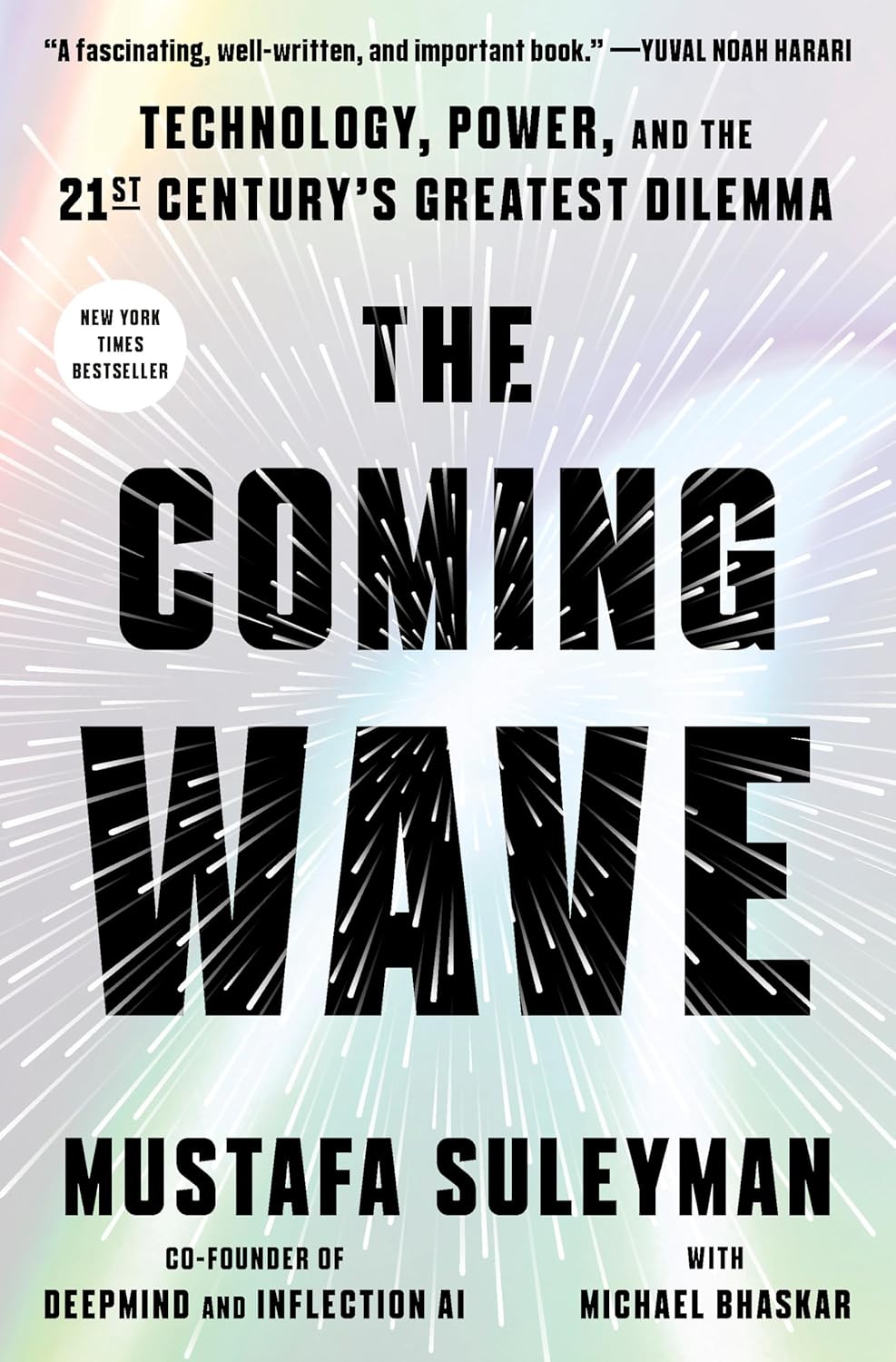
DeepMind co-founder on the dilemma of containing technologies that do not want to be contained.
As an Amazon Associate, Zendoric earns from qualifying purchases; the price does not change for you. · all our recommended books →
By McKinsey & Company · Wed, 21 Oct 2026 16:13:00 +0000.
McKinsey has released an explainer video (part of its McKinsey Explainers series) titled "What does AI really cost?", focused on how to measure and maximize the value of AI. The email notes that as generative AI moves from pilots into day-to-day work, answering the question of what it really costs has become harder.
The starting point highlighted in the email is a shift in pricing model: according to McKinsey, in 2026 AI providers have moved to consumption-based pricing, meaning companies now pay for every request a model handles. The email warns that with more agents than ever, and increasingly complex ones, those requests can add up quickly.
In the video, McKinsey experts Lari Hämäläinen, Wasim Lala and Kaavini Takkar explain why AI bills keep rising and what it takes to run an AI agent. They illustrate this with examples from their client work.
The specific example cited in the email is a bank whose projected AI spending jumped from $3 million a year to more than $25 million once employees were given access to every tool and model without any guardrails. The implicit lesson is that governing access and consumption is decisive in containing costs.
The email also invites readers to explore the McKinsey Explainers series for other complex questions and notes that readers can send their own questions to [email protected].
As industry context, the shift to consumption-based pricing means the cost of agentic systems depends on the number of model calls, so agent design and usage limits directly affect the bill. The email, however, offers these figures only in summary form and refers readers to the video for details; it includes no further figures or methodology.
📚 Go deeper

AI as the latest chapter in the history of information networks, from gossip to the printing press to the algorithm.

The best starting book if you're not technical: a Wharton professor explains how to work WITH AI — when to delegate, when to supervise, when to keep i
As an Amazon Associate, Zendoric earns from qualifying purchases; the price does not change for you. · all our recommended books →
🔗 Related on Zendoric