The price of intelligence and the manufacturing of experience

🕒 Published on Zendoric: July 25, 2026 · 00:23
✨ AI-generated · how it's made
This edition of The CEO Shortlist, McKinsey's biweekly newsletter curated by Alex Panas (global leader of industries) and Becca Coggins (global leader of functional practices and growth platforms), takes on two central questions about agentic AI: whether agents are really delivering value worth what they cost, and…
📚 Go deeper
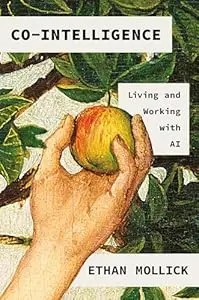
The best starting book if you're not technical: a Wharton professor explains how to work WITH AI — when to delegate, when to supervise, when to keep i
As an Amazon Associate, Zendoric earns from qualifying purchases; the price does not change for you. · all our recommended books →
By McKinsey CEO Shortlist.
This edition of The CEO Shortlist, McKinsey's biweekly newsletter curated by Alex Panas (global leader of industries) and Becca Coggins (global leader of functional practices and growth platforms), tackles two central questions about agentic AI: whether agents are actually delivering value for what they cost, and what will happen to the training of new professionals as AI absorbs entry-level work.
On the first point, the newsletter cites a recent McKinsey survey in which 93% of respondents acknowledge having exceeded their AI budget, even as the nominal price of tokens keeps falling. According to McKinsey, the real culprits are not the tokens themselves but rework and variability: roughly 60% of the cost of an agentic task goes to reviewing and correcting the first generated response, and the same task can cost up to 30 times more depending on the model used. The conclusion drawn by the McKinsey colleagues cited in the newsletter is that the CEO's job is not to squeeze tokens but to govern the work of machines: allocate artificial intelligence as if it were capital and measure agents by the business outcomes they produce, not by technical metrics.
The newsletter's second topic is what it calls "the disappearing bottom rung." Professional expertise has traditionally been built on routine tasks (basic research, first drafts) that teach judgment through repetition. That is precisely the kind of work AI is already absorbing: it multiplies the output of experienced employees but slows down newcomers, who cannot always spot when the machine gets it wrong. The newsletter notes that one third of employers say AI has already reduced the tasks through which junior staff used to learn the trade. McKinsey's warning is clear: a company that dismantles the base of its talent pyramid will, a decade from now, have no one left to promote. The newsletter points to a longer McKinsey article (linked as "how this pipeline can be rebuilt") that explores how to rebuild that talent development process.
The rest of the email includes the usual elements of McKinsey's newsletter format: a reading recommendation (McKinsey's annual book collection), links to follow its McKinsey Insights app, and the standard sections for sharing/forwarding the newsletter and managing the subscription.
📚 Go deeper
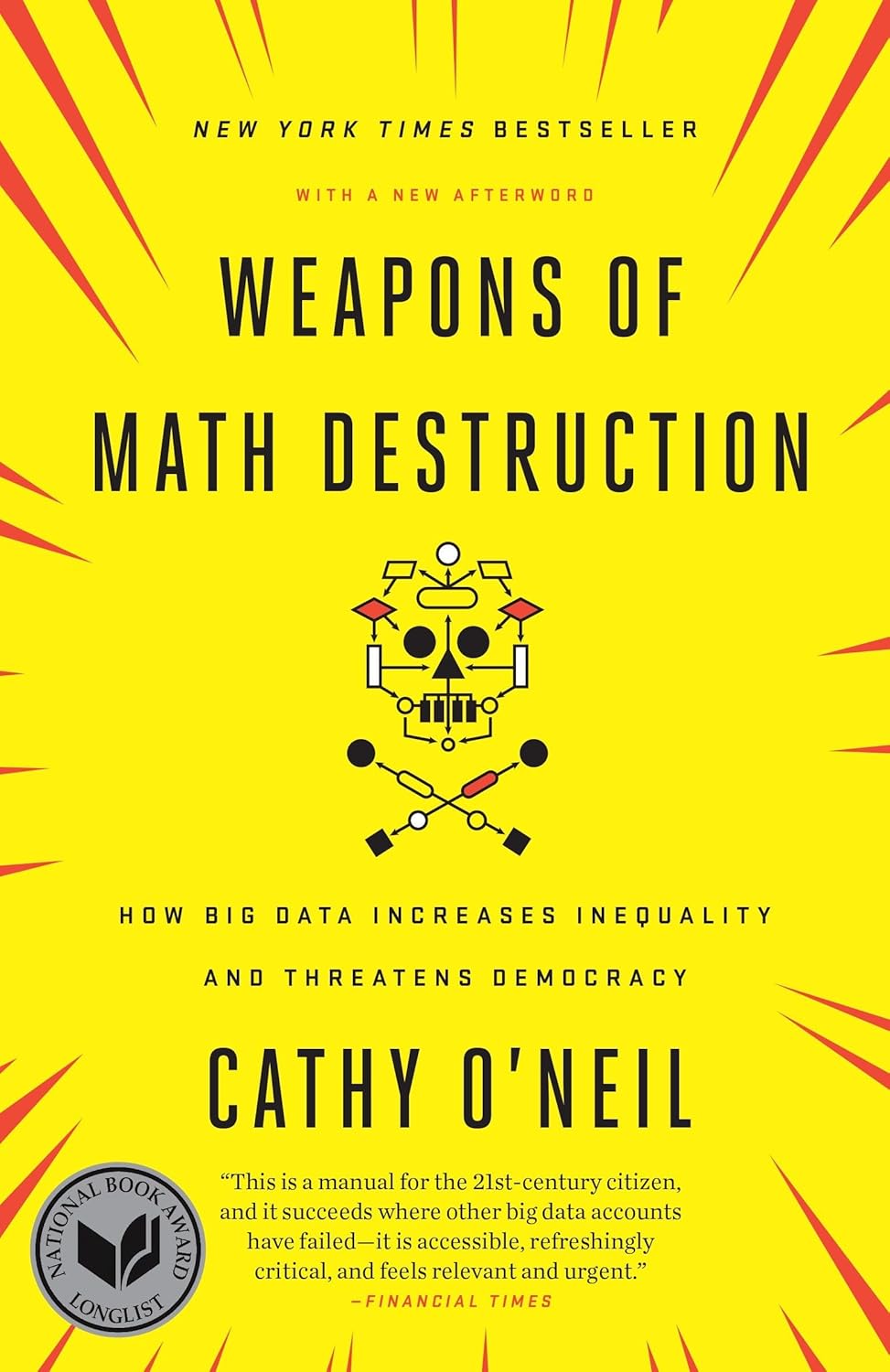
How opaque algorithms decide who gets credit, a job or parole — and why they tend to punish the same people.
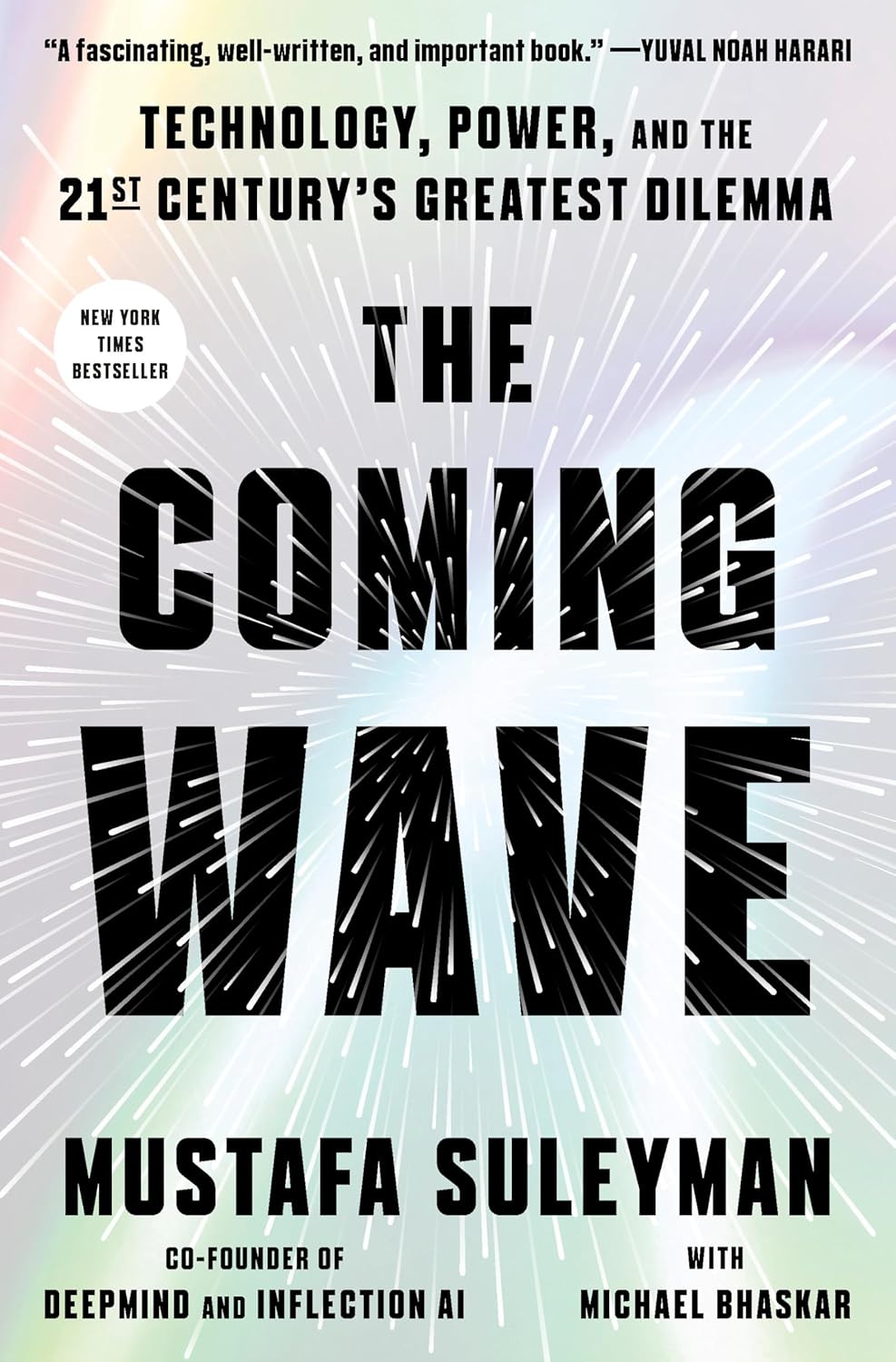
DeepMind co-founder on the dilemma of containing technologies that do not want to be contained.
As an Amazon Associate, Zendoric earns from qualifying purchases; the price does not change for you. · all our recommended books →
🔗 Related on Zendoric
- McKinsey: redesigning the organization for agentic AI, and global trade along geopolitical lines · 2026-10-17
- McKinsey Classics: the helix organization and how to reorganize the company in the AI era · 2026-10-25
- Nate puts Chinese models (DeepSeek, Qwen, GLM, Kimi, MiniMax) to the test in a real multi-agent system · 2026-07-28