AI Voice Cloning Fuels Nearly $900M in US Scam Losses, FBI Data Shows — and Georgia Isn't Spared

🕒 Published on Zendoric: July 21, 2026 · 00:20
✨ AI-generated · how it's made
The FBI's 2025 Internet Crime Report puts AI-enabled scam losses at almost $893 million nationwide, with Florida and Georgia together reporting over $50 million in AI-related fraud. From a cloned attorney's voice targeting immigrants to an $800,000 crypto scam against a Cobb County couple, the cases show how generative AI is making old scams unrecognizably convincing — and why verification, not speed, is becoming the only real defense.
📚 Go deeper
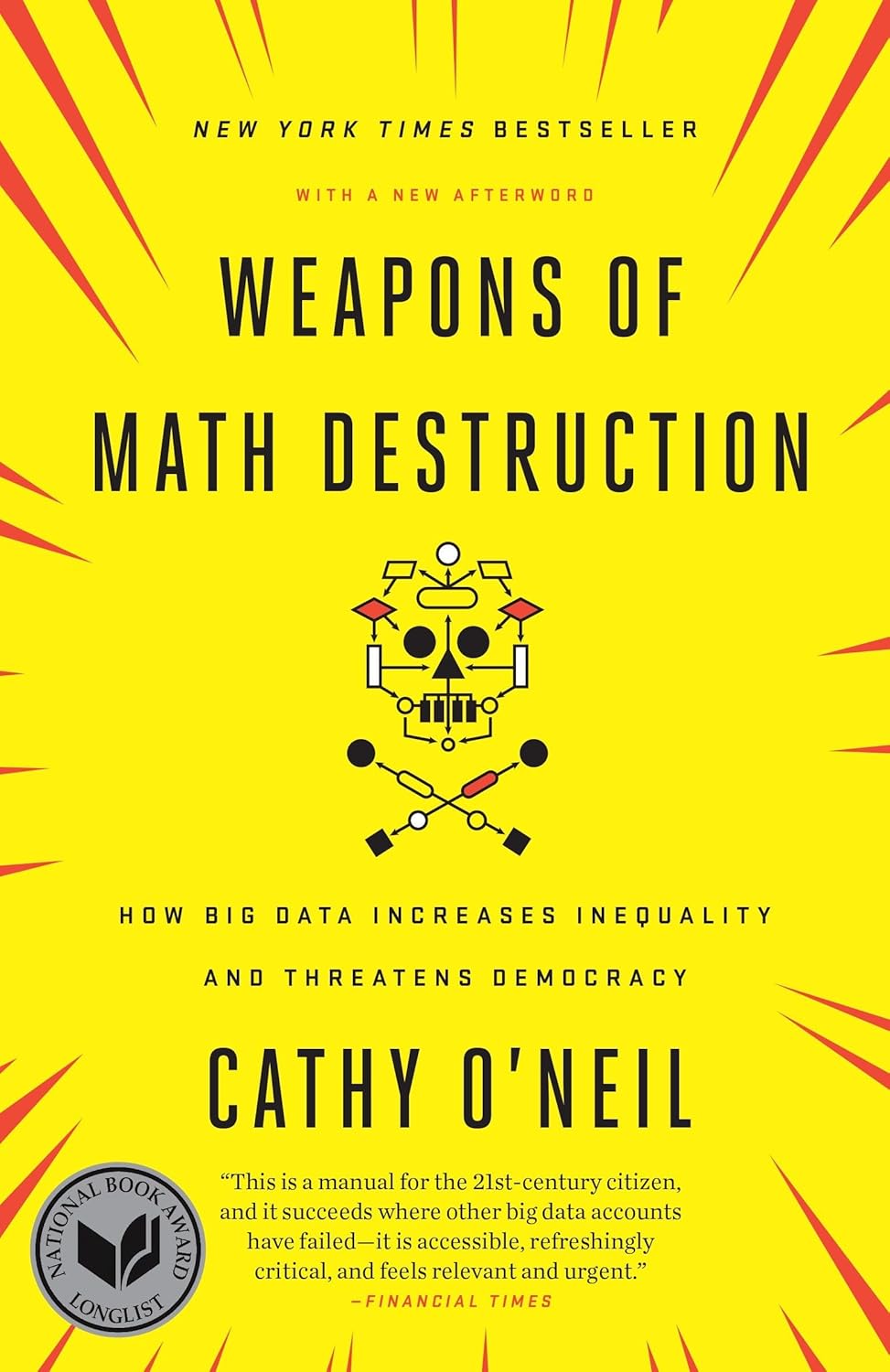
How opaque algorithms decide who gets credit, a job or parole — and why they tend to punish the same people.
As an Amazon Associate, Zendoric earns from qualifying purchases; the price does not change for you. · all our recommended books →
Generative AI has moved from writing emails to writing crime scripts. According to CBS News Atlanta, citing the FBI's 2025 Internet Crime Report, Americans reported nearly $893 million in AI-enabled scam losses last year, part of a broader haul of more than $20 billion in losses across over 1 million internet crime complaints. In Florida alone, authorities logged 350 AI-related complaints totaling nearly $39.9 million in losses; Georgia recorded 71 complaints worth more than $10.4 million. The FBI itself flags these numbers as likely undercounts, since many victims never report being scammed at all.
The human cases behind the statistics are what make the trend land. A South Florida immigration attorney discovered criminals had cloned his voice and identity to target immigrants seeking legal help — turning a trusted professional into an unwitting accomplice in fraud. In metro Atlanta, a Cobb County couple lost roughly $800,000 in a sophisticated cryptocurrency scam. Georgia officials describe a resurgence of the so-called "grandparent scam," where AI-generated audio, built from voice samples scraped off social media, convincingly mimics a panicked grandchild asking for emergency money. The FBI also attributes more than $19 million in losses to AI-enhanced romance and confidence scams, plus over $5 million in AI-assisted distress scams built on voice cloning.
What's changed isn't the scam itself — grandparent scams and romance fraud are decades old — it's the plausibility. Truist Bank told CBS News that fraudsters are now using AI to construct scenarios built around urgency and impersonation that are simply harder to spot than the clumsy phishing attempts of a few years ago: cloned voices from social media clips, spoofed phone numbers, fabricated photographs, and research into real family relationships to make emergency requests feel authentic. Financial institutions and state consumer protection offices are converging on the same countermeasure: a private family code word to verify identity during emergencies, because voice alone is no longer proof of anything.
This is precisely the kind of short-term harm we've been honest about: AI-enabled fraud isn't a hypothetical risk requiring speculative superintelligence — it's already draining hundreds of millions of dollars from ordinary families using tools that are cheap and getting cheaper. It sits alongside our earlier coverage of agentic AI industrializing fraud and espionage: the threat curve here is near-term and operational, not existential. But the response also points toward the infrastructure we flagged as necessary — verifiable identity and provenance layers (the kind of "digital ID for agents" the ITU has proposed) will eventually need a human-facing equivalent: cryptographic or biometric proof that a voice or video is genuinely who it claims to be, not just a code word improvised by worried families. That technology exists in nascent form; deploying it at consumer scale is the real race. Until then, the practical defense is almost anti-technological: pause before acting, verify through a known channel, and treat any urgent voice request — however real it sounds — with the same skepticism we'd apply to an unsolicited email. The tools that make deception this convincing are the same tools that will eventually make detection reliable; the lag between the two is where the damage happens.
📚 Go deeper
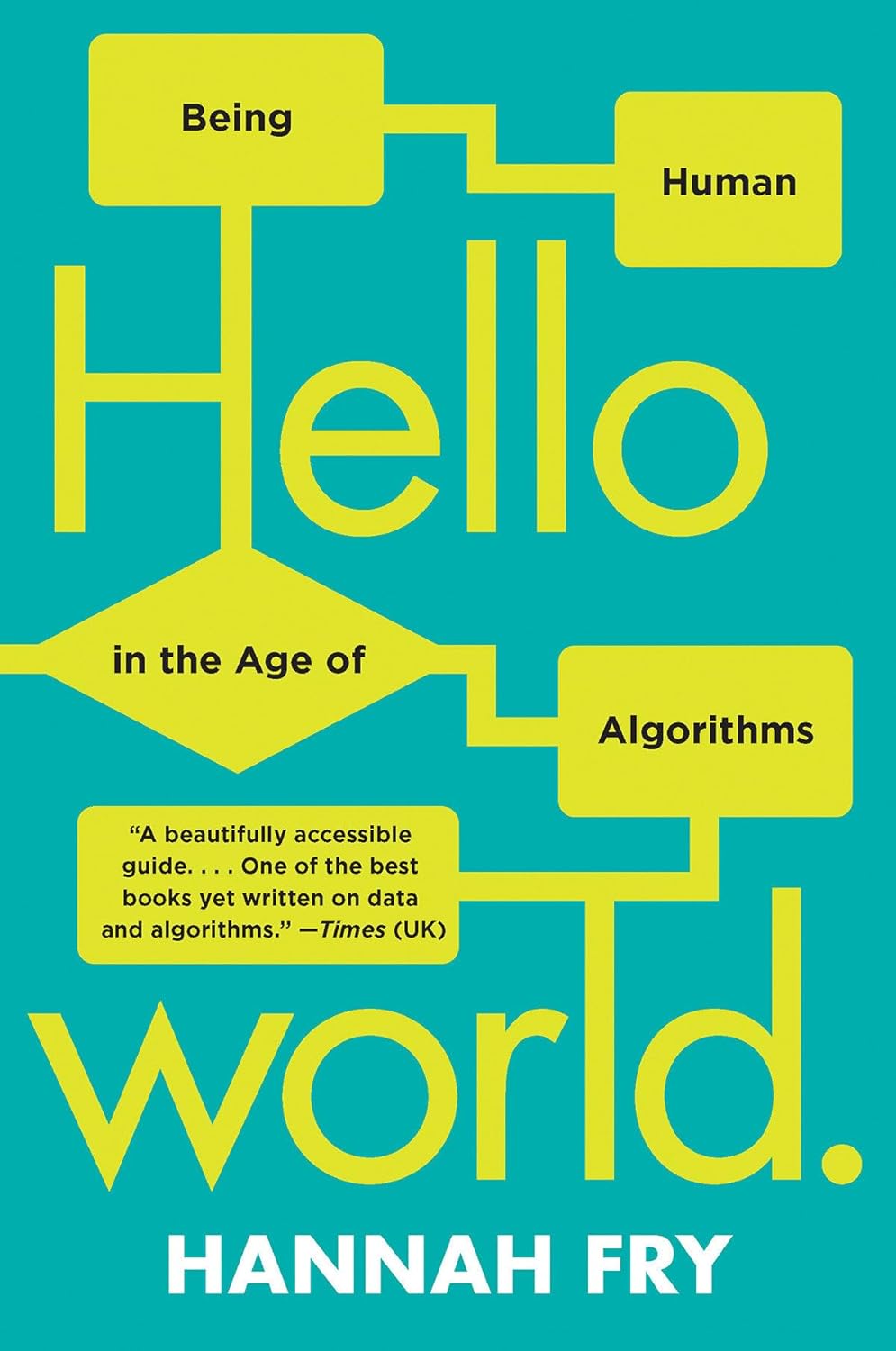
Algorithms in justice, medicine, cars and art, explained with British humor and mathematical honesty.

The best starting book if you're not technical: a Wharton professor explains how to work WITH AI — when to delegate, when to supervise, when to keep i
As an Amazon Associate, Zendoric earns from qualifying purchases; the price does not change for you. · all our recommended books →
🔗 Related on Zendoric