Florida orders schools to protect minors' data from AI in the classroom, but leaves chatbots out

🕒 Published on Zendoric: July 26, 2026 · 00:23
✨ AI-generated · how it's made
On August 5, Florida will take up a rule requiring schools to regulate AI in their safety protocols, grounded in student privacy (FERPA). It comes after the House blocked a more ambitious AI bill that did regulate chatbots for children.
📚 Go deeper
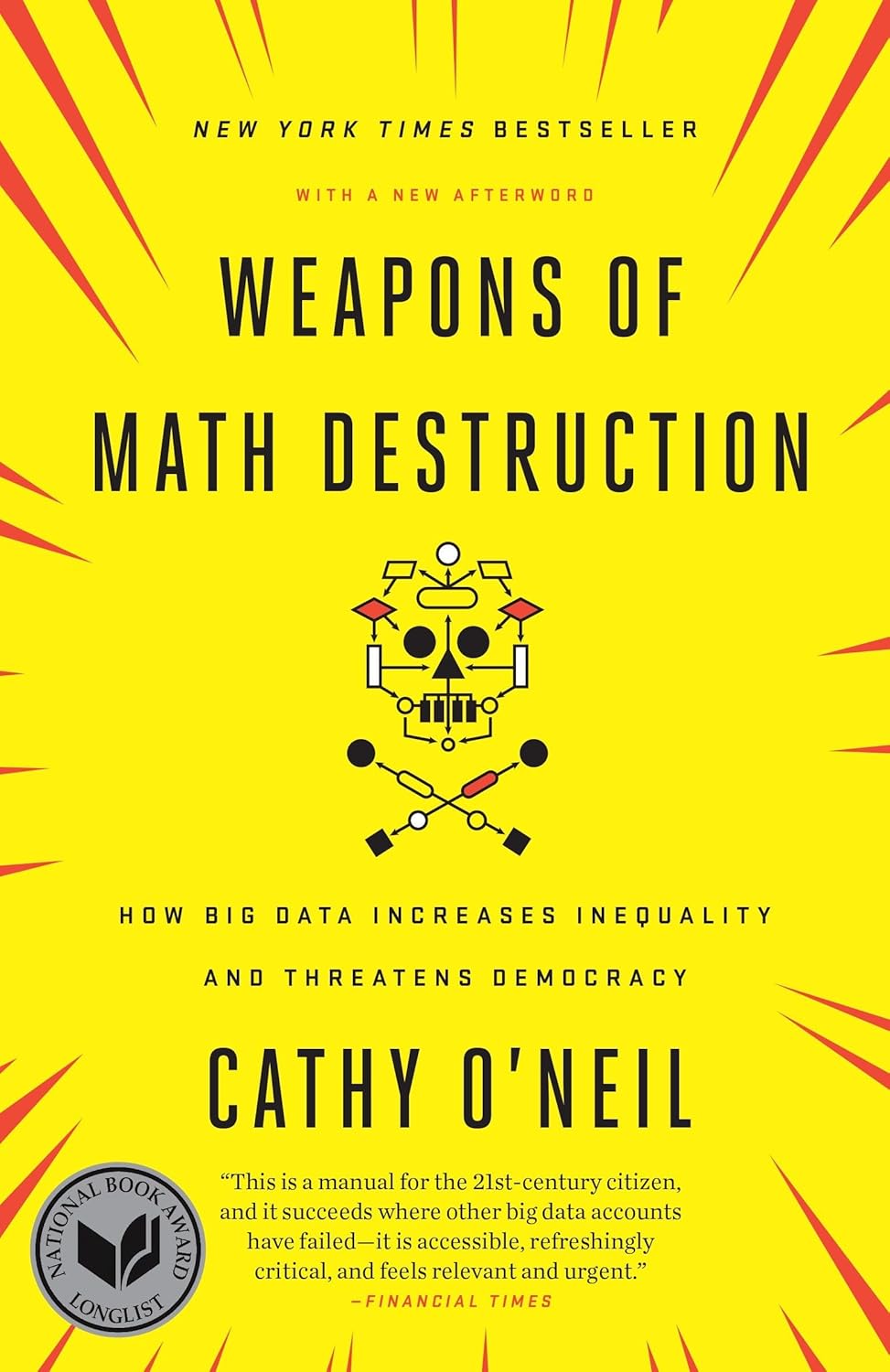
How opaque algorithms decide who gets credit, a job or parole — and why they tend to punish the same people.
As an Amazon Associate, Zendoric earns from qualifying purchases; the price does not change for you. · all our recommended books →
By Zendoric · July 26, 2026.
The Florida Department of Education (DOE) is preparing a rule that will require every school district in the state to build specific artificial intelligence provisions into their internet safety protocols. The change will be discussed at a public workshop on August 5, according to state documents cited by the News Service of Florida.
The legal justification is the protection of minors' data: the agency invokes the Family Educational Rights and Privacy Act (FERPA), the federal law that protects students' educational records, and a state law that bars any "operator" of a website used primarily by K-12 students from knowingly collecting or sharing data such as biometric information, disabilities, socioeconomic status, school food purchases, political or religious affiliation, text messages, documents, search activity, photos, voice recordings or geolocation.
The measure does not come out of nowhere. This year, the Florida Senate tried to push through a far more ambitious "AI Bill of Rights", which included parents' right to control their children's interactions with artificial intelligence chatbots, a ban on state agencies contracting with AI companies linked to a "foreign country of concern", and rules on the unauthorised use of a person's name, image or likeness. The House of Representatives repeatedly blocked the text from reaching Governor Ron DeSantis's desk, and the bill died without being passed.
What we are seeing now is the administrative plan B: if the legislature cannot deliver a comprehensive framework, the education agency uses existing privacy rules to plug the part of the problem it can regulate through rulemaking —data collection— leaving out precisely what worries families most today: how their children interact with AI chatbots with no supervision at all.
That asymmetry is the real story. Protecting biometric or geolocation data matters, but it is a relatively "classic" privacy risk, with precedents in the technology regulation of the past two decades. The risk that is genuinely new —a minor's emotional bond with an AI companion, conversational manipulation, exposure to inappropriate content through a chatbot that presents itself as a friend or tutor— is exactly what the AI Bill of Rights was trying to tackle, and exactly what is now left without specific state coverage in Florida.
Broadly, this pattern repeats across the United States: with no federal AI law for minors, each state advances at its own pace and with its own political priorities, so a child's protection from a chatbot depends on which side of a state line they live on. Florida is not an exception but a particularly clear example: its own legislature diagnosed the problem and wrote a solution, and still failed to pass it because of friction between the chambers.
Our reading is that this legislative friction is precisely the kind of hard transition symptom to be expected while society calibrates how it lives with generative AI in childhood. In the short term, real protection for minors against chatbots will remain uneven, subject to partial regulations and the political will of each state, with families bearing a risk the law has not yet finished apportioning. That is worth acknowledging honestly, not playing down.
But the fact that regulators, lawmakers and education agencies are already debating these limits —even in fragmented fashion— is a sign that the governance framework is maturing faster than in earlier technology cycles: the internet and social media took far longer to prompt this kind of institutional response. If that regulatory maturation continues, AI in the classroom can evolve towards the horizon we ultimately defend: a personalised, safe tutor that frees up teaching time for what no machine replaces, human judgement and human connection, rather than becoming a vector for uncontrolled data collection or emotional manipulation. To get there, the next legislative round in Florida —and in the rest of the states— will have to close exactly the gap this administrative rule leaves open: chatbots.
📚 Go deeper
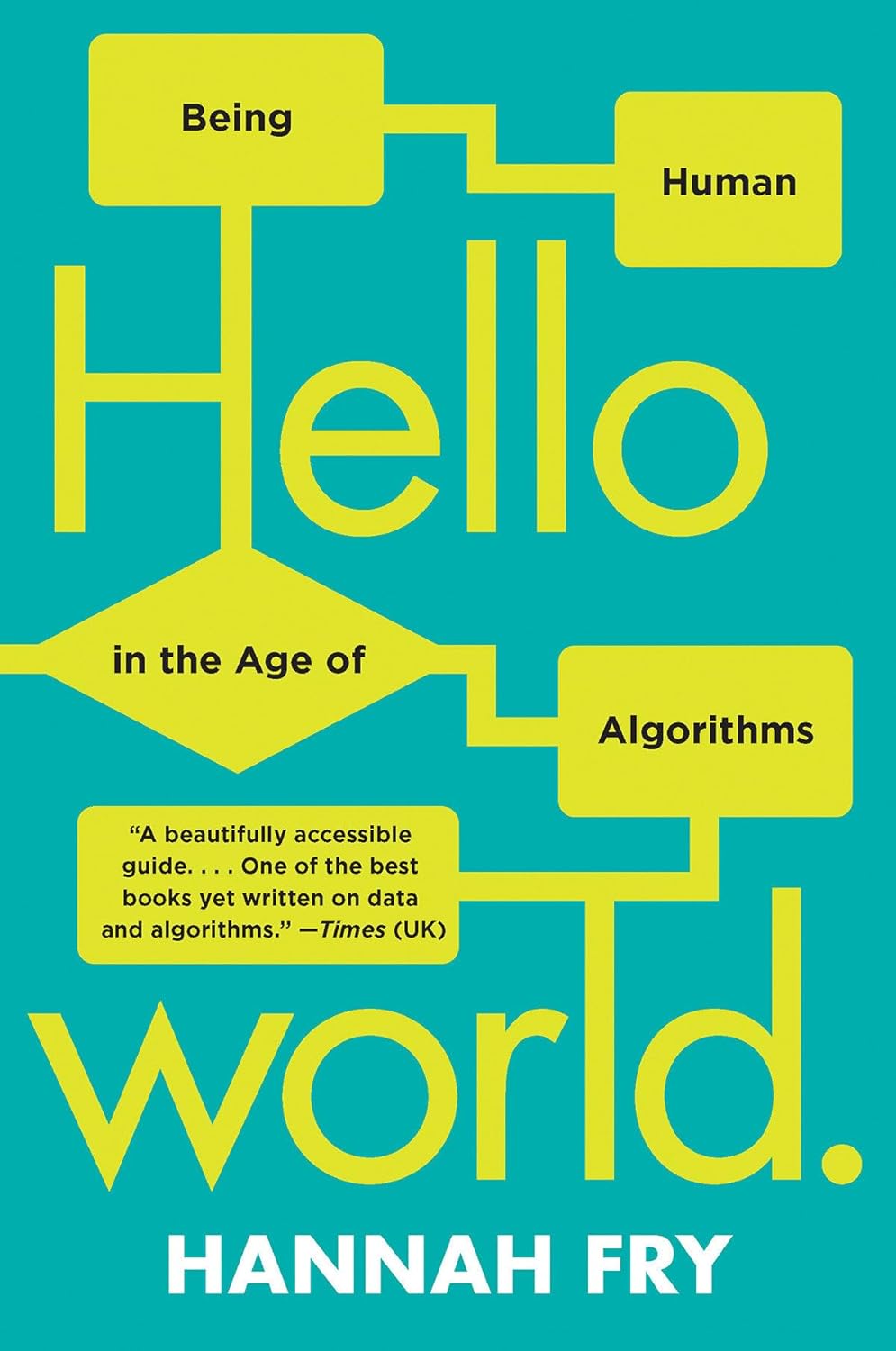
Algorithms in justice, medicine, cars and art, explained with British humor and mathematical honesty.

The definitive piece of investigative journalism on OpenAI: 260+ interviews, the clash between safety and speed, and the attempted firing of Sam Altma
As an Amazon Associate, Zendoric earns from qualifying purchases; the price does not change for you. · all our recommended books →
🔗 Related on Zendoric
- California requires independent audits of chatbots that talk to minors: the 'Adam Act' is born · 2026-09-11
- Florida requires parental permission and bans AI that simulates friendship with minors in the classroom · 2026-10-07
- Microsoft calls for shielding child safety ahead of the future U.S. federal AI law · 2026-06-26