New York halts school software purchases: AI in the classroom needs governance before a catalog
🕒 Published on Zendoric: July 9, 2026 · 00:21
✨ AI-generated · how it's made
New York schools chancellor Kamar Samuels has asked principals to freeze educational software purchases until the district finalizes its AI policy. The move comes after months of pressure from families, teachers and the City Council itself, which deemed the initial guidance published in March insufficient.
📚 Go deeper
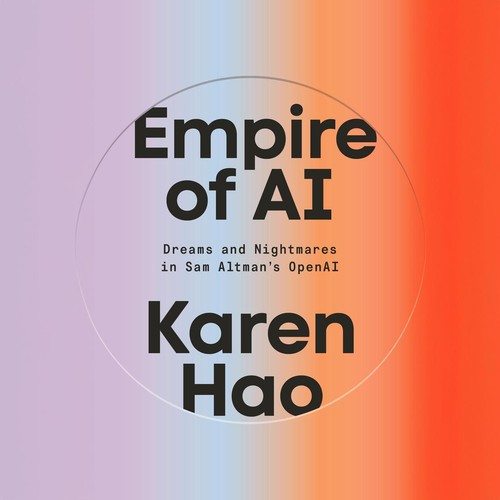
The definitive piece of investigative journalism on OpenAI: 260+ interviews, the clash between safety and speed, and the attempted firing of Sam Altma
As an Amazon Associate, Zendoric earns from qualifying purchases; the price does not change for you. · all our recommended books →
By Chalkbeat · July 8, 2026.
New York City public schools Chancellor Kamar Samuels sent an email this week to school principals asking them to hold off on buying new educational software until the Department of Education finishes drafting its final policy on artificial intelligence, expected by the end of this summer. It is the most concrete step the city has taken so far to rein in the use of AI tools in classrooms, and it comes after months of friction: the initial guidance, released in March, drew a flood of criticism for being considered too lax, to the point that more than half of the members of the City Council signed a petition calling for an outright moratorium on AI in schools. Samuels himself admitted in May that the district had "missed the mark" with that first version and said the revision would include stricter rules, especially for younger students. The release, promised for June, has been delayed without the Department giving a new date.
The backdrop is as revealing as the pause itself: at a Council hearing in June, education officials could not say how many schools already use AI products or which ones. The reason is structural, not anecdotal: software purchases are handled at the level of each individual school, with no centralized registry, a gap the state comptroller had already flagged as a serious risk. The district has responded by sending a survey to schools to find out, belatedly, what is already making its way into classrooms. The freeze excludes software needed for "mandated services" or for the start of the school year, but because many programs—including the grading and attendance management tools that have been in use for years—require a new purchase order each year, the halt could affect well-established tools, not just AI newcomers. Principals interviewed by Chalkbeat describe the practical problem: budgets already closed, interventions already planned for the school year that begins in weeks, and now added uncertainty over which tools they will actually be able to use.
This story is less about AI than about the governance of public procurement in a system that, for years, delegated those decisions to each school without central visibility. The arrival of generative AI has simply made intolerable an opacity that already existed: if no one knows what software schools use, then no one can know what data on minors those products process, or with what safeguards. In that sense, Samuels's pause is less a brake on innovation than a belated attempt to bring order before adoption, already widespread in practice, becomes irreversible.
Our reading is that this episode is exactly the kind of short-term friction that was to be expected, and that it should not be read as a sign that AI has no place in education. The largest school district in the United States is discovering, several years behind the pace at which these tools have been adopted in classrooms, that protecting children demands a different—and more exacting—standard than the one that suffices for an adult user. That is consistent with what we have already noted in other sectors: the gain lies not in letting in any tool bearing an AI label, but in ensuring that whoever deploys it—here, the education system itself—has the capacity to govern it, audit it, and explain what it does with a minor's data. The clumsiness of not even knowing which products are in use is the symptom; the cure is not to reject the technology, but to build the governance infrastructure that should have existed from the start.
Over the medium term, this kind of pause and controversy—which will recur in other districts and countries as pressure from families and teachers grows—will likely accelerate the emergence of certification and audit standards specific to educational AI, similar to those that already exist for children's data-protection software. Whoever builds educational AI products designed from the ground up to withstand that scrutiny—data traceability, age controls, transparency about which model lies behind it—will have a real competitive advantage over those who simply bolted a chatbot onto an existing product. And if, as the underlying thesis of Zendoric holds, AI ends up freeing teachers from administrative burdens so they can focus on what truly matters—pedagogical judgment, the relationship with the student—that future will only arrive if the adoption process for children is carried out with the rigor that New York is now, late but with evident conviction, demanding.
📚 Go deeper

AI as the latest chapter in the history of information networks, from gossip to the printing press to the algorithm.
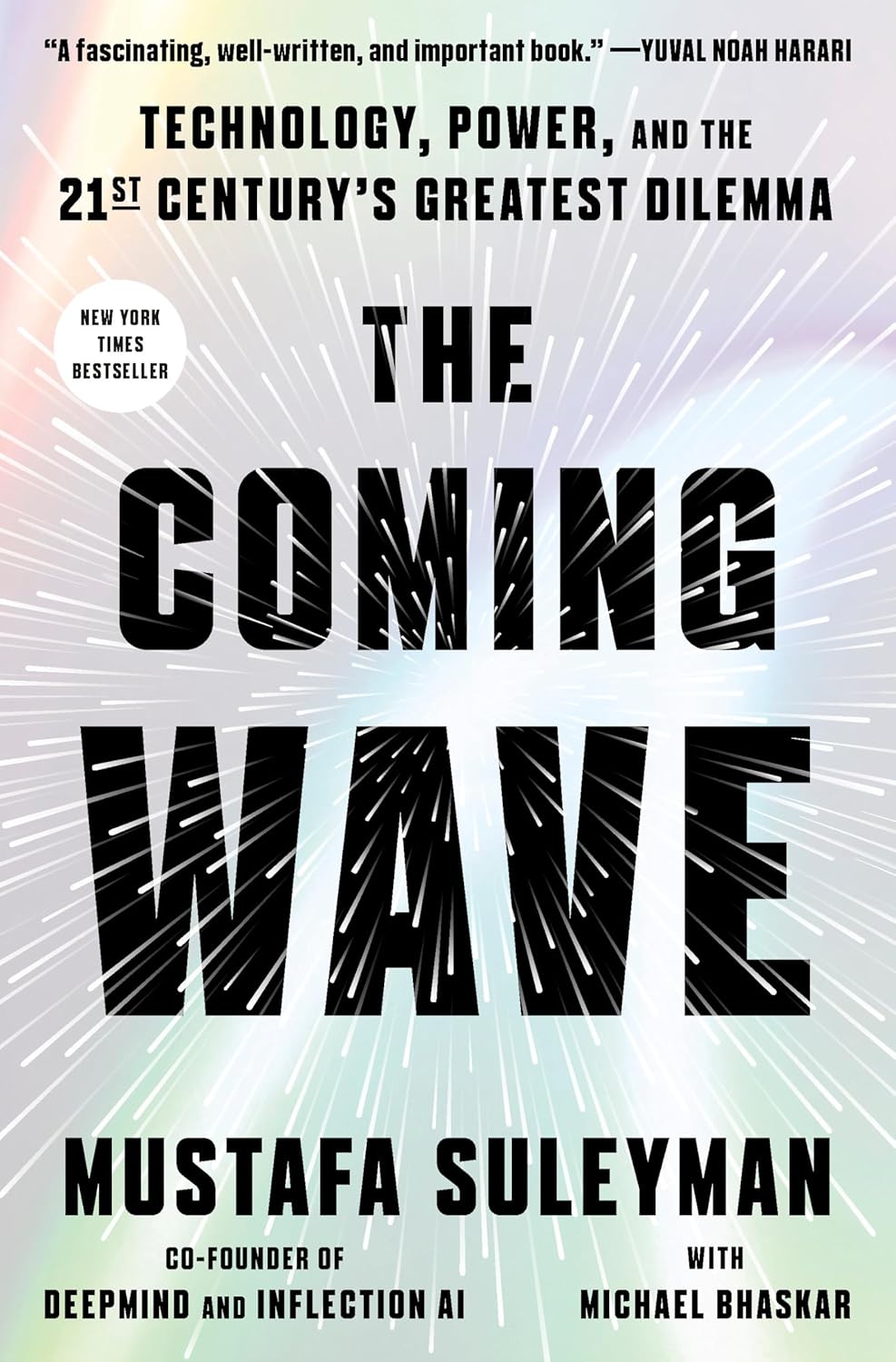
DeepMind co-founder on the dilemma of containing technologies that do not want to be contained.
As an Amazon Associate, Zendoric earns from qualifying purchases; the price does not change for you. · all our recommended books →
🔗 Related on Zendoric
- NYC starts the school year with no AI rules: the largest city in the US tests how to tame artificial intelligence in the classroom · 2026-09-02
- Carroll Schools publishes its AI policy for students, families and staff: classrooms now need written rules · 2026-10-17
- Rock Hill puts its house in order before the school year: why revising AI policy is now a matter of school governance · 2026-06-24