Amazon cuts its own general AI division: those who build the models are also caught in the adjustment

🕒 Published on Zendoric: July 24, 2026 · 00:29
✨ AI-generated · how it's made
Amazon confirmed new layoffs this week within its artificial general intelligence (AGI) organization, without specifying figures or roles. The irony is clear: the team building the company's AI models is not immune to the restructuring that, according to Amazon, that same AI helps justify across the rest of the company.
📚 Go deeper
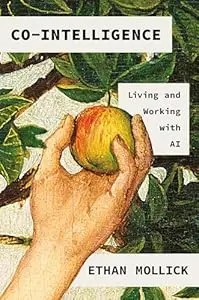
The best starting book if you're not technical: a Wharton professor explains how to work WITH AI — when to delegate, when to supervise, when to keep i
As an Amazon Associate, Zendoric earns from qualifying purchases; the price does not change for you. · all our recommended books →
By Zendoric · July 24, 2026.
Amazon confirmed this week a new round of layoffs within its artificial general intelligence (AGI) organization, the division responsible for developing the company's advanced models, which since a reorganization announced in late 2025 also oversees the development of in-house silicon and quantum computing initiatives. The company has not disclosed how many employees are affected or which specific roles are being eliminated.
In its statement, an Amazon spokesperson justified the cut as part of a "fast-moving space," in which the company says it is "sharpening its focus on the initiatives that matter most to customers" in order to "move faster on what counts." That, according to the statement itself, involves "difficult decisions," including eliminating some roles within parts of the AGI organization, while continuing to invest in the areas the company considers priorities. To affected employees in the United States, Amazon is offering 90 days of pay and benefits, support in finding new employment, temporary access to healthcare coverage and the right to severance, as the company itself details.
This round adds to a year of sustained corporate cuts. In January 2026, Amazon eliminated nearly 16,000 corporate jobs worldwide, the second major wave in three months; state filings showed that 2,198 of those jobs were in the Seattle area, more than 1,400 in the city itself and around 630 in Bellevue. That round came after another 14,000 corporate layoffs announced in October 2025, around 4% of the company's corporate workforce at the time. CEO Andy Jassy has repeatedly said that generative AI will over time allow the automation of parts of office work, while generating demand for new AI-focused roles.
What is striking about this episode is who it hits. The previous rounds mainly affected human resources, retail, Amazon Web Services (AWS) and Prime Video: administrative and support work, the classic argument that "AI replaces routine tasks." Here the cut lands within Amazon's own AI factory, the team that builds the models that, in theory, are emptying out other departments. Amazon has not explained which specific projects are losing people and which are gaining priority, but the pattern —cutting on one AI front while investing in another— points to something different from the "the machine replaces the human" narrative: it is a redistribution of bets within the frontier-model race itself.
Our reading: when even the artificial general intelligence organization of one of the world's most financially powerful tech companies cuts staff, the signal is not that AI has made its own engineers dispensable overnight. It is that competing in frontier models against OpenAI, Anthropic and Google demands increasingly hard capital-allocation decisions, and that Amazon appears to be prioritizing applications that generate direct revenue —commerce, Alexa, cloud services— over more exploratory research lines within its AGI bet. It is consistent with something we have already seen at other companies this year: AI-linked layoffs do not always reflect a clean technological substitution, but rather management decisions made in haste under the pressure of showing spending discipline to investors, with the risk that months later they will have to rehire, as has happened to other companies that cut citing AI and then reversed course.
In the short term, this confirms what we have been arguing: AI-driven staff adjustments are real, uneven and often more gestural than strictly necessary, and they also hit those who work directly on building the technology, not just those who use it. In the long term, we continue to believe that the race for ever more capable models —even if today it is fought through painful reorganizations— is the path toward an abundance of resources and knowledge that, well managed, should translate into better conditions for more people, not fewer. The distance between those two horizons depends on companies like Amazon explaining with more transparency what they are building and what they are discarding, instead of reducing everything to generic statements about "sharpening focus."
📚 Go deeper
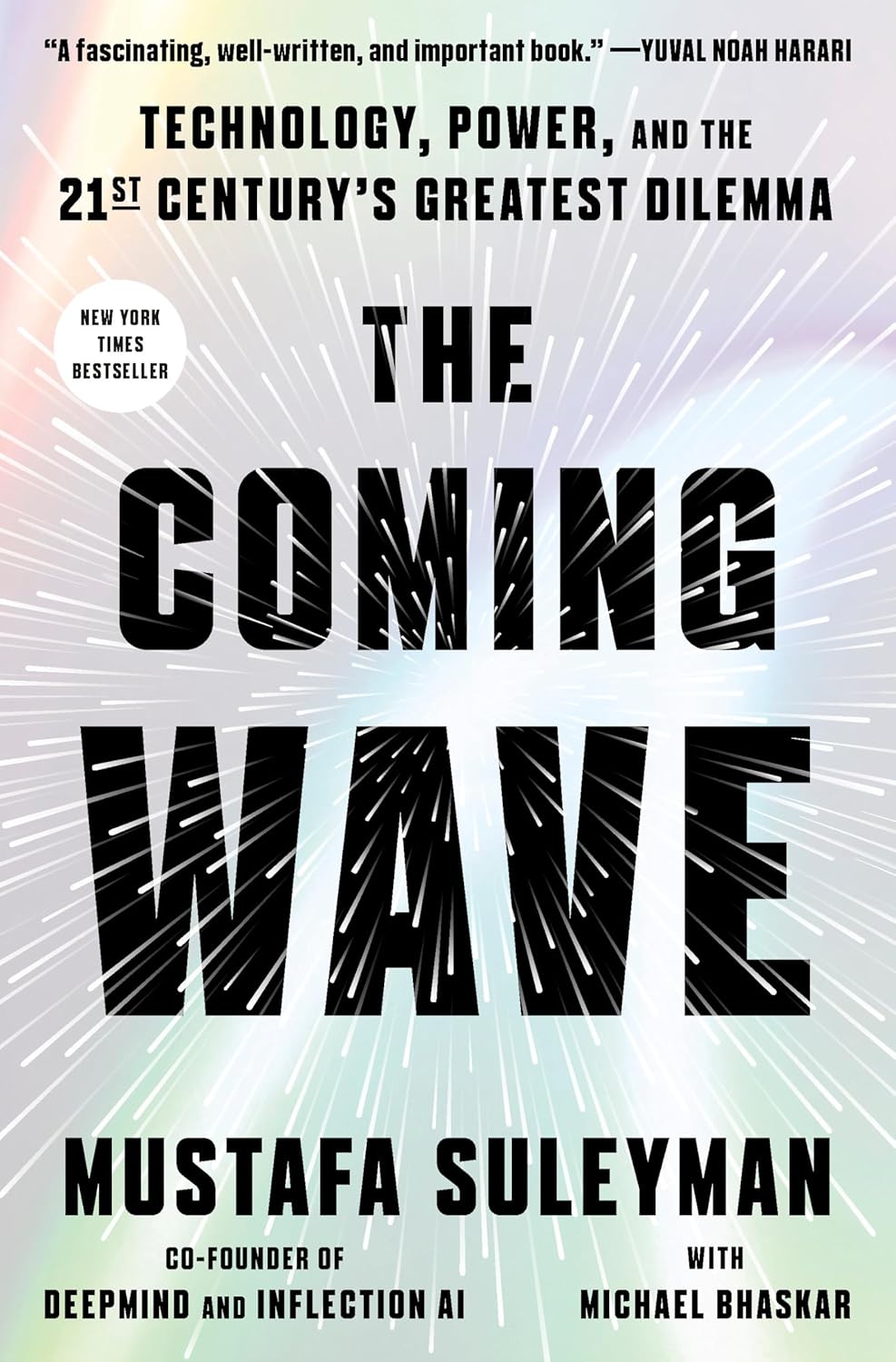
DeepMind co-founder on the dilemma of containing technologies that do not want to be contained.

An MIT computer scientist connects AI, quantum physics and video games to take an uncomfortable question seriously: what if we live in a simulation? M
As an Amazon Associate, Zendoric earns from qualifying purchases; the price does not change for you. · all our recommended books →
🔗 Related on Zendoric