Bessent warns the U.S. could sanction China over 'theft' of AI models through distillation
🕒 Published on Zendoric: July 23, 2026 · 00:24
✨ AI-generated · how it's made
U.S. Treasury Secretary Scott Bessent said on July 21, 2026, on Fox Business's 'Mornings with Maria' that the Trump administration will investigate whether Chinese artificial intelligence models have been 'distilled' from U.S. models, and warned that the government has…
📚 Go deeper
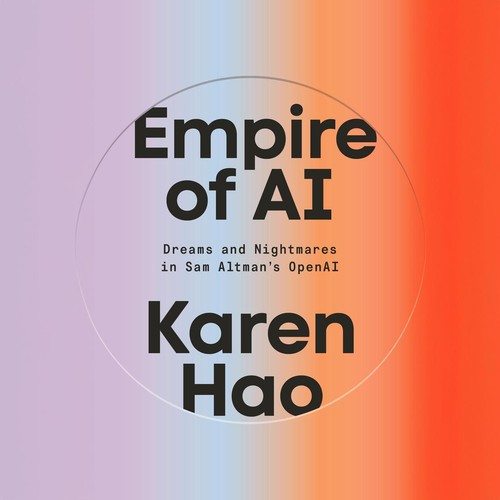
The definitive piece of investigative journalism on OpenAI: 260+ interviews, the clash between safety and speed, and the attempted firing of Sam Altma
As an Amazon Associate, Zendoric earns from qualifying purchases; the price does not change for you. · all our recommended books →
U.S. Treasury Secretary Scott Bessent stated on July 21, 2026, on Fox Business's 'Mornings with Maria,' that the Trump Administration will investigate whether Chinese artificial intelligence models have been 'distilled' from U.S. models, and warned that the government has the capacity to impose sanctions if it confirms such intellectual property theft. Bessent explained that the technical term for this type of appropriation is 'distillation': a training method in which a smaller, less capable model is built from the outputs of a more powerful existing model that is more expensive to train.
The statement comes at a time when Chinese open-weight models (that is, those whose final parameters are published for download even though the code and training data remain private) are gaining ground against the leading offerings of U.S. companies such as OpenAI and Anthropic. The article cites as a concrete example the Kimi K3 model, launched this month by the Chinese startup Moonshot AI, which according to some industry benchmarks outperforms the models of those two U.S. companies. This advance has raised concern among tech executives and government officials about the sustainability of U.S. leadership in the AI race.
Bessent was explicit about the evidence the Administration is handling: 'We are finding watermarks from our U.S. large language models in many of the Chinese models, and that is unacceptable,' he said, adding that the matter will be reviewed 'in the coming days or weeks.' He did not specify which U.S. companies would be affected by those watermarks or which Chinese models specifically would contain them, beyond the mention of Moonshot AI.
The backdrop to this announcement includes a prior complaint from Anthropic: last month the company sent a letter to the U.S. Senate Committee on Banking, Housing, and Urban Affairs alleging that the Chinese tech company Alibaba had perpetrated 'the largest known distillation attack' to date against its models. The article provides no further details on the content of that letter or on Alibaba's response.
In parallel, according to a Reuters report cited in the article, the United States and China are scheduled to hold talks on artificial intelligence in September 2026, in which Bessent will represent the U.S. side. This positions the Treasury Secretary's remarks as a starting position—or advance pressure—ahead of that bilateral negotiation, although the article offers no details on the specific agenda of those talks.
A relevant element that the article itself points out is the potential contradiction in the U.S. stance: both Anthropic and OpenAI have faced their own accusations of improper appropriation of content in recent years. Anthropic agreed to pay $1.5 billion in September (of a year not explicitly specified in the text, though from context it appears to refer to 2025) to settle a class action brought by a group of authors, who alleged that the company had illegally downloaded books from pirated databases. For its part, The New York Times sued OpenAI and Microsoft in 2023, alleging copyright infringement for the use of its intellectual property to train models. The article leaves implicit, without directly stating it, the contrast between the accusations the U.S. is now directing at China and the lawsuits its own AI companies have had to face over similar practices of using protected material.
Taken together, the news reflects how the geopolitical dispute over AI is shifting from the terrain of chip export restrictions toward the terrain of algorithmic intellectual property and the origin of training data. The threat of sanctions for 'distillation'—if it were to materialize—would open a new regulatory front that is potentially complex to verify, given that proving a model was trained using another model's outputs is not trivial from a technical or legal standpoint. The article does not delve into how those sanctions would be implemented or what legal framework they would rest on, so this summary is limited to what Bessent actually stated and to the already documented facts that the text itself records.
📚 Go deeper
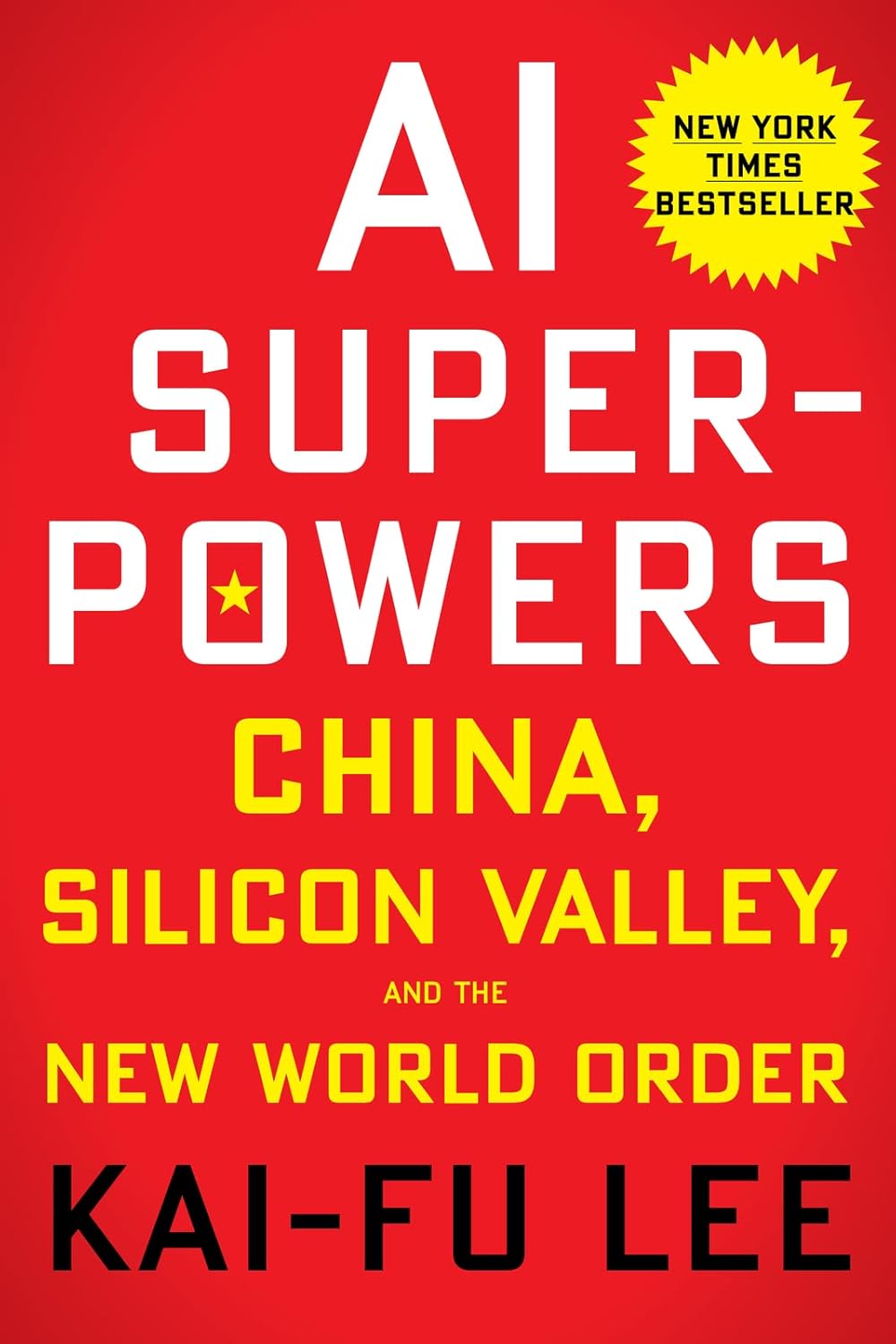
China vs.
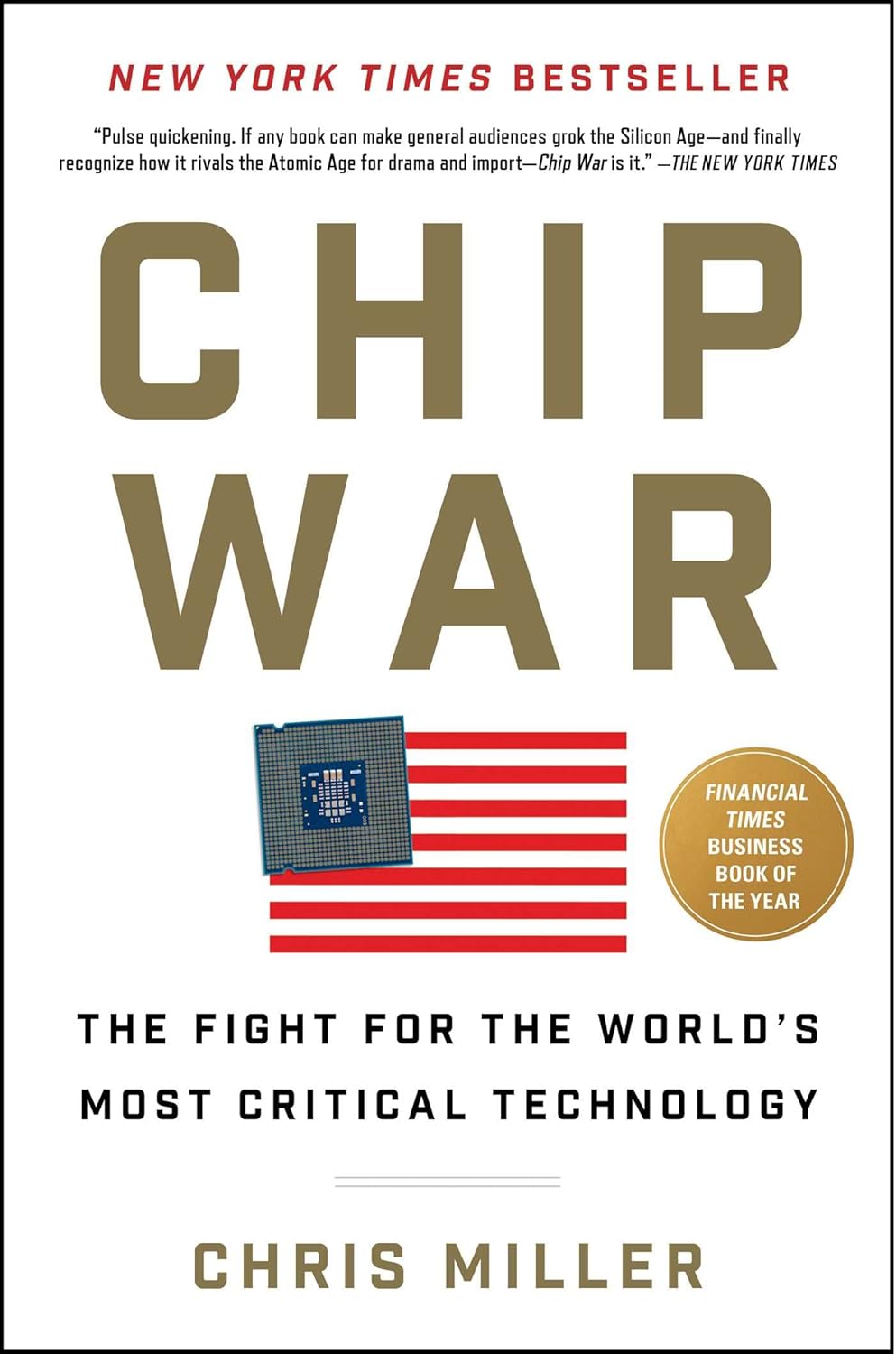
Semiconductors as the oil of the 21st century: history, espionage, and why an island of 23 million people underpins the entire AI economy.
As an Amazon Associate, Zendoric earns from qualifying purchases; the price does not change for you. · all our recommended books →
🔗 Related on Zendoric
- U.S. Treasury threatens sanctions against China's Moonshot over alleged distillation of Anthropic's Fable model · 2026-07-24
- Trump's secret battle against Chinese AI: a ban on open models that would benefit OpenAI and Anthropic? · 2026-07-22
- US proposes mechanism with China to exchange AI security alerts · 2026-09-23