Trump's secret battle against Chinese AI: a ban on open models that would benefit OpenAI and Anthropic?
🕒 Published on Zendoric: July 22, 2026 · 01:59
✨ AI-generated · how it's made
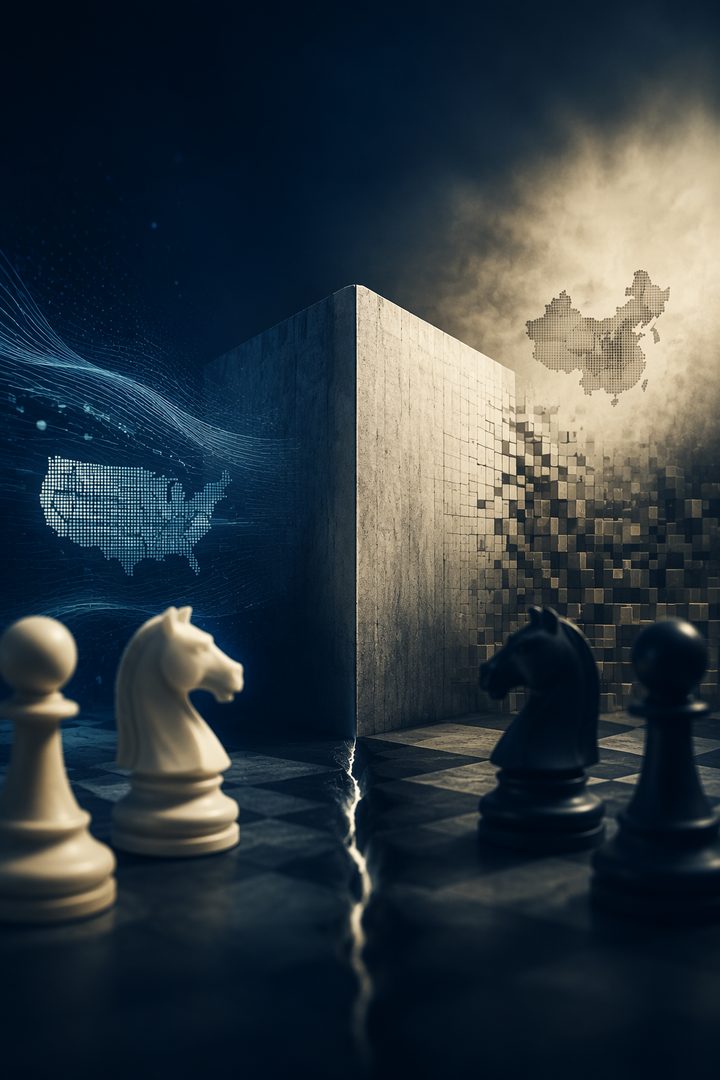
Axios has revealed, citing sources close to the Trump Administration, that the U.S. government is once again considering measures to curb American companies' access to open-source artificial intelligence models developed in China.
📚 Go deeper
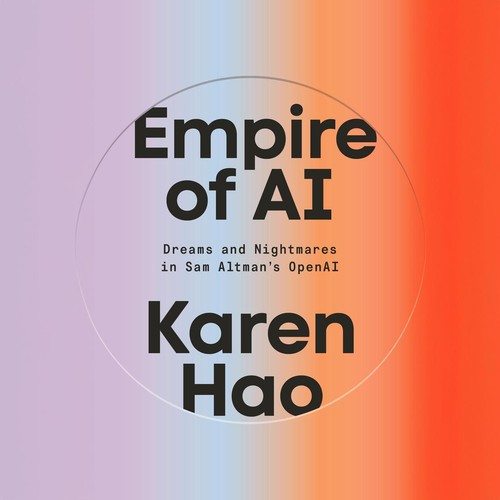
The definitive piece of investigative journalism on OpenAI: 260+ interviews, the clash between safety and speed, and the attempted firing of Sam Altma
As an Amazon Associate, Zendoric earns from qualifying purchases; the price does not change for you. · all our recommended books →
Axios has revealed, citing sources close to the Trump Administration, that the U.S. government is once again considering measures to curb U.S. companies' access to the open-source artificial intelligence models developed in China. According to the report, written by Maria Curi and published on July 20, this would be a far-reaching move that, if it materializes, would end up reinforcing the dominant position of OpenAI and Anthropic in the U.S. AI market.
The immediate trigger is said to have been the emergence last week of the Chinese model Kimi, which according to the article has reignited efforts that had already been attempted before. The underlying reason is economic: a growing number of U.S. companies are turning to open Chinese models because they are cheaper and, as the appearance of Kimi has shown, deliver performance practically on par with domestic technology.
The report details several previous attempts, all of them thwarted until now by officials concerned that excessive regulation would stifle innovation. Last year, the Department of Commerce reportedly considered adding several Chinese AI labs to the so-called 'Entity List,' a mechanism that in practice would cut off U.S. access to their technology unless a specific license were obtained. In parallel, the National Security Agency (NSA) and the White House Office of the National Cyber Director reportedly weighed publishing a warning about the threats posed by Chinese AI labs, with the deterrent effect of discouraging their use by U.S. companies. The White House is also said to have considered an executive order that would only allow U.S. companies to host Chinese models if they could guarantee their security and assume legal liability in the event of a breach. And last summer, Commerce reportedly circulated drafts of internal rules that used its authority over domestic supply chains to target open Chinese models.
According to Axios, all these initiatives were blocked at the time by officials in favor of not smothering innovation with regulation. However, the report points to a shift in context: key voices such as former White House adviser Sriram Krishnan are no longer in government, while the sectors more inclined toward national security are said to have gained weight and influence. That combination, together with the emergence of increasingly powerful Chinese technology and renewed cybersecurity fears, is reportedly giving fresh momentum to the idea of a ban.
Neither the White House nor the Department of Commerce responded to Axios's questions for this article.
The outlet stresses that the Administration would not need to impose an explicit ban to get U.S. companies to abandon Chinese platforms. One source cited in the article describes the process as 'slower but more lasting,' relying on public procurement rules, threats of inclusion on the Entity List, and public pressure campaigns targeting companies that use Chinese models. Another source describes an alternative, more 'offensive' approach: focusing on possible backdoors and security shortcomings in Chinese models, as well as the governance problems this entails, while promoting a more innovative U.S. open-source ecosystem. The article itself notes, however, that U.S. open-source alternatives remain, at best, limited compared with cheaper and more practical Chinese models.
The debate has come into public view thanks to David Sacks, the White House's external AI adviser, who wrote on X on Sunday that we are 'at a critical inflection point in AI policy,' accusing the leading closed labs —already a duopoly in terms of AI model revenue— of wanting the government to eliminate their open-source competition. Sacks, who according to Axios has long warned against a regulatory capture that would benefit the big U.S. labs and stifle competition, added that those labs 'have laid their cards on the table' and called on the rest of Silicon Valley —which for the most part still values open competition— to do the same.
A source close to the Administration cited by Axios also describes how leading AI labs, or representatives aligned with them, approach the government every three to five months with some proposal to ban open models, suggesting sustained pressure over time rather than an isolated episode.
The article closes by noting that Chinese leader Xi Jinping feels emboldened in the AI race, which increases the pressure on the U.S. industry —both open-source and not— to react. Axios finally recalls that Anthropic and OpenAI have long defended security regimes that in some cases include the licensing of models, a stance that until now had been rather abstract but that, in light of these moves, is beginning to translate into concrete proposals.
It is worth noting that much of this information comes from anonymous sources described as close to the Administration or familiar with the government's internal discussions, so these are plans at various stages of deliberation and not decisions already taken. The report itself does not specify the names of the Chinese labs that would have been the subject of these considerations, beyond the explicit mention of Kimi as the model that has reignited the debate.
📚 Go deeper
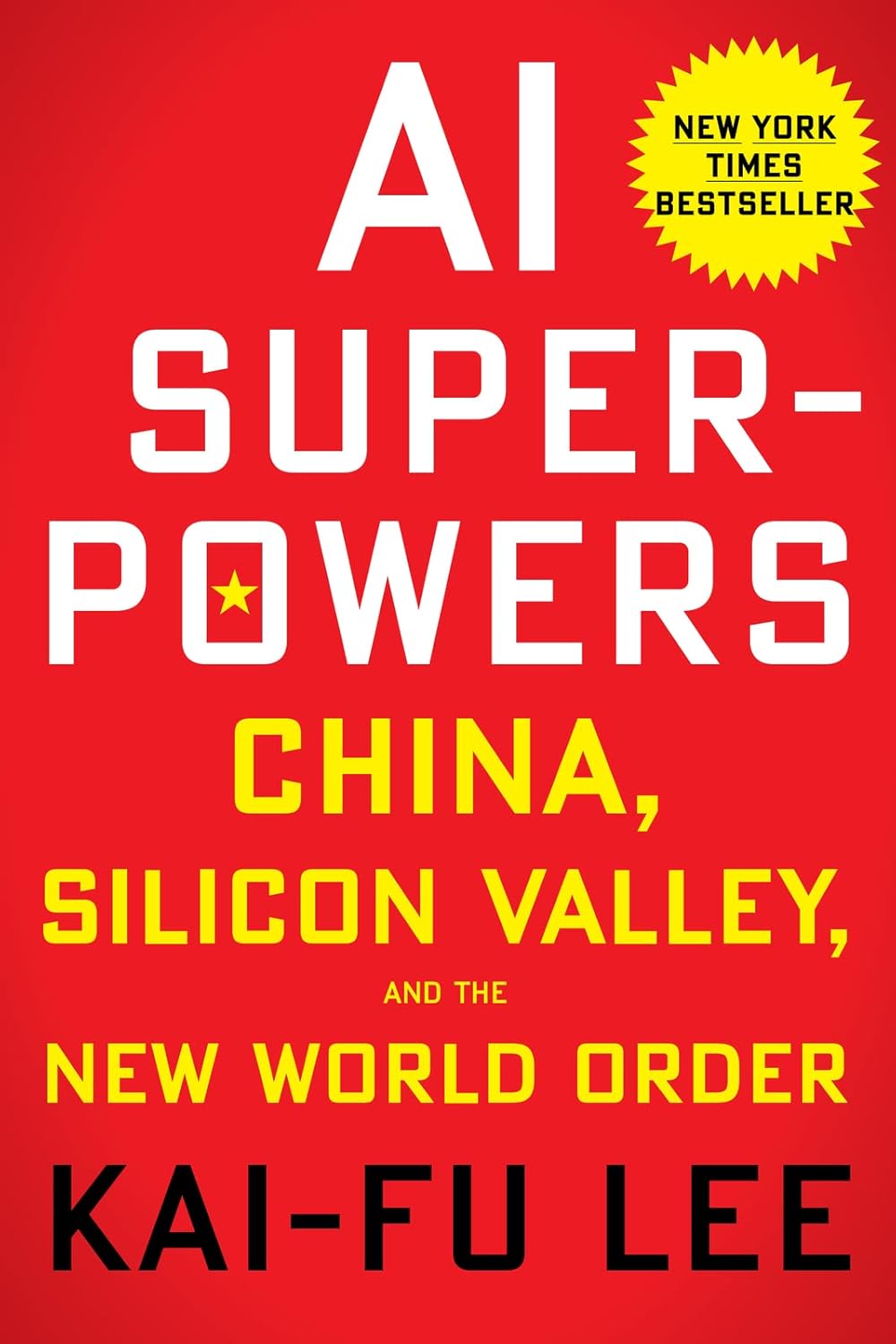
China vs.
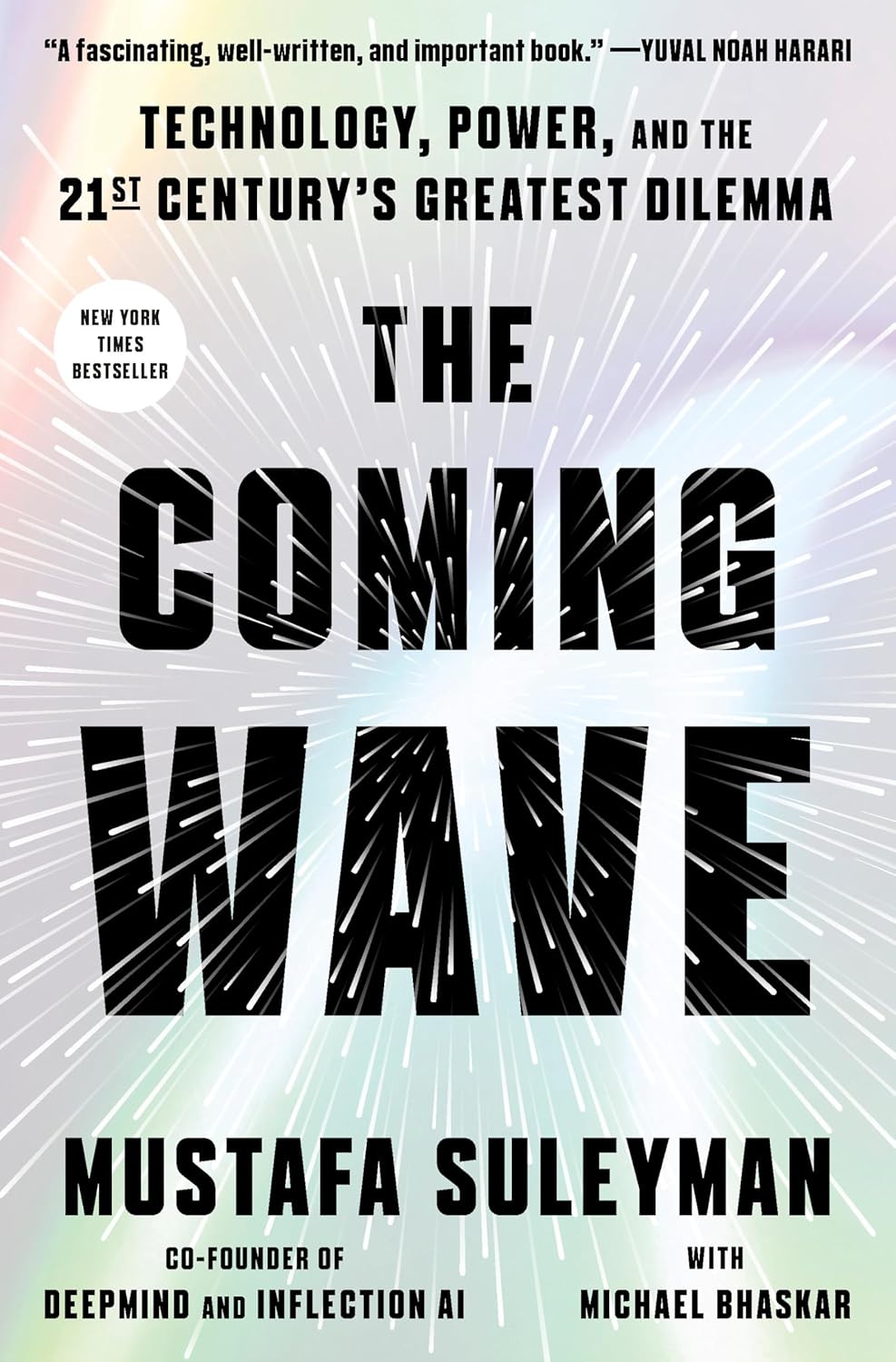
DeepMind co-founder on the dilemma of containing technologies that do not want to be contained.
As an Amazon Associate, Zendoric earns from qualifying purchases; the price does not change for you. · all our recommended books →
🔗 Related on Zendoric
Sources & references
- axios.com — Trump's secret battle against Chinese AI: a ban on open models that would benefit OpenAI and Anthropic?
- SiliconANGLE — Hugging Face turned to an open Chinese model to analyze its own breach because OpenAI and Anthropic refused to help
- pubads.g.doubleclick.net — Chinese AI models spark an internal war within Trump's circle