An AI agent deciding which family to investigate: the missing governance in child protection

🕒 Published on Zendoric: July 9, 2026 · 00:21
✨ AI-generated · how it's made
A study published in Cureus proposes a governance framework for using agentic AI in case intake and early risk detection in child protection services. The available material is limited, but the approach —automating decisions about vulnerable children— deserves a critical rather than enthusiastic reading.
📚 Go deeper
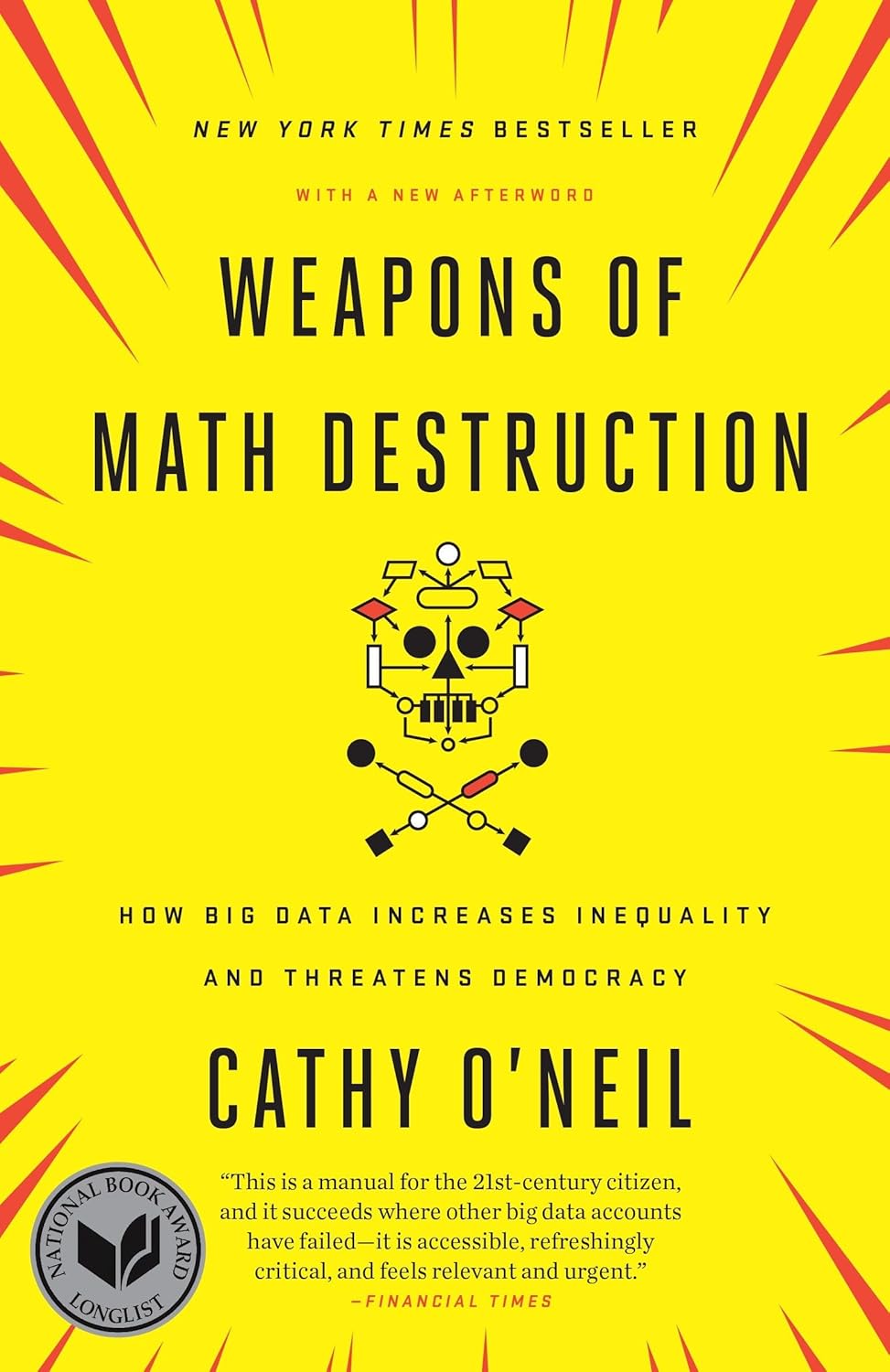
How opaque algorithms decide who gets credit, a job or parole — and why they tend to punish the same people.
As an Amazon Associate, Zendoric earns from qualifying purchases; the price does not change for you. · all our recommended books →
By Cureus · July 8, 2026. The paper, published in the Health Policy section of the medical journal Cureus, proposes a "governance-aware framework" for introducing agentic AI into two highly sensitive stages of child protective services: the intake of reports or requests, and early risk identification. We were unable to access the full body of the article —the page delivered only navigation and journal metadata—, so this piece deliberately limits itself to what the title alone allows us to state with confidence: there is a peer-reviewed academic proposal on how to structure, with governance safeguards, the use of AI agents in a field where automated decisions can determine whether a family is investigated, whether a minor is removed from their home, or whether an alert is lost among thousands of case files.
This matters regardless of the technical detail we're missing. Intake and case-prioritization systems in child protection have for more than a decade been a testing ground for data-based risk-scoring tools —with known track records of racial and socioeconomic bias in jurisdictions that have already deployed them. That we are now talking about "agentic" AI, that is, systems capable of taking the initiative, chaining together database queries and proposing or executing actions without a human intervening at every step, raises the stakes: a model that assigns a score to a case file is not the same as an agent that decides which file merits human review, at what speed and with what priority. The very title of the work, by insisting on the "governance-aware" character of the proposed framework, suggests that the authors are aware of that leap in risk and seek to anticipate controls —decision traceability, mandatory human oversight, bias auditing— before the technology is deployed without them.
Our reading, with the caution required when working from a headline and not the full study, is that this kind of proposal is exactly the type of friction we need to see more of, not less, as agentic AI moves out of the realm of office productivity and into decisions about vulnerable people. In the short term, the temptation for administrations with scarce resources —overloaded social workers, months-long waiting lists— is to adopt any tool that promises to ease the burden, and this is where the track record of algorithmic risk scoring has already shown that efficiency without governance produces real and unequal harm. More broadly, as sector context, the conversation about AI in social services has been maturing from the initial enthusiasm for automatic detection toward a growing demand for accountability frameworks, something that fits Zendoric's underlying thesis: AI can free up resources and human attention for what really matters —professional judgment, the relationship with the family, close follow-up— but only if the transition is managed with clear rules and the last word over a minor's life is not handed to an autonomous agent. Unable to assess the methodological soundness of the proposed framework here, we welcome that the question is framed in these terms: not "how do we automate child protection", but "what governance does any automation need before it touches a child".
📚 Go deeper
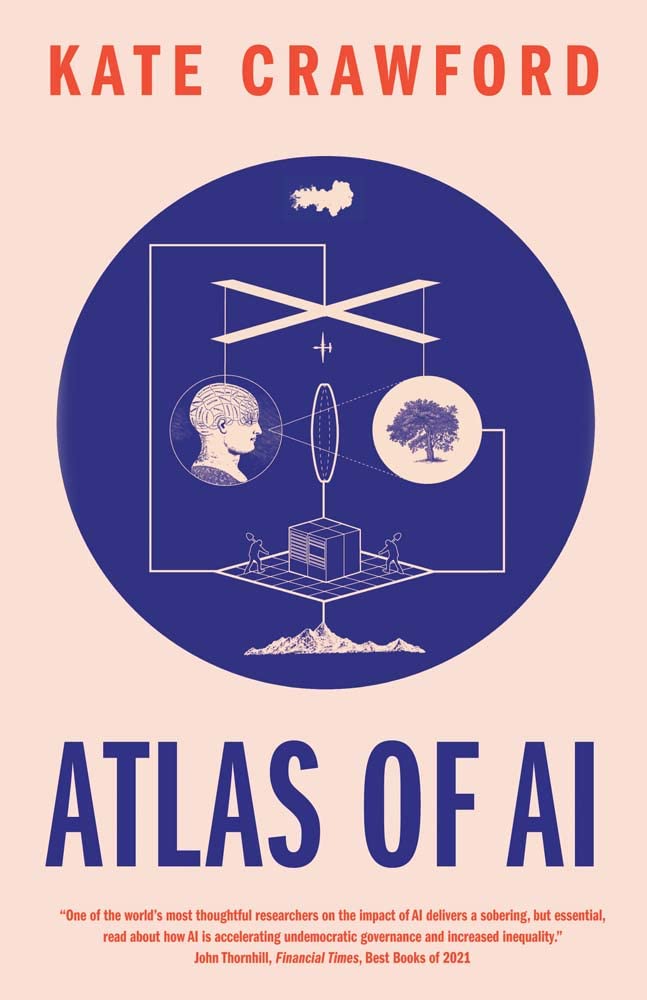
AI as an extractive industry: the lithium, the energy, the underpaid data-labeling work and the bodies behind the cloud.
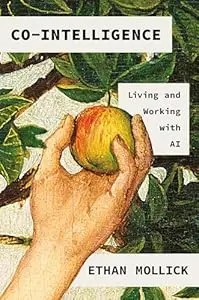
The best starting book if you're not technical: a Wharton professor explains how to work WITH AI — when to delegate, when to supervise, when to keep i
As an Amazon Associate, Zendoric earns from qualifying purchases; the price does not change for you. · all our recommended books →
🔗 Related on Zendoric
- The FT poses the right question in the classroom: AI isn't wiping out junior jobs, it's redefining what 'entering' the job market means · 2026-07-20
- A school custodian, accused of using AI to create child sexual abuse material from social media photos · 2026-07-23
- A Yahoo video floats teaching kids AI 'from the ground up': why the approach matters more than the data · 2026-09-13