Anthropic's Two Red Lines Cost It the Pentagon — and Set a Precedent for AI in the Kill Chain

🕒 Published on Zendoric: July 5, 2026 · 04:36
✨ AI-generated · how it's made
Unsealed court emails show Anthropic refused to let the Pentagon deploy Claude for fully autonomous weapons or domestic surveillance — and got hit with a supply-chain risk designation the day after a negotiator called talks 'very close.' The fight was never about capability. It was about who controls the guardrails.
📚 Go deeper
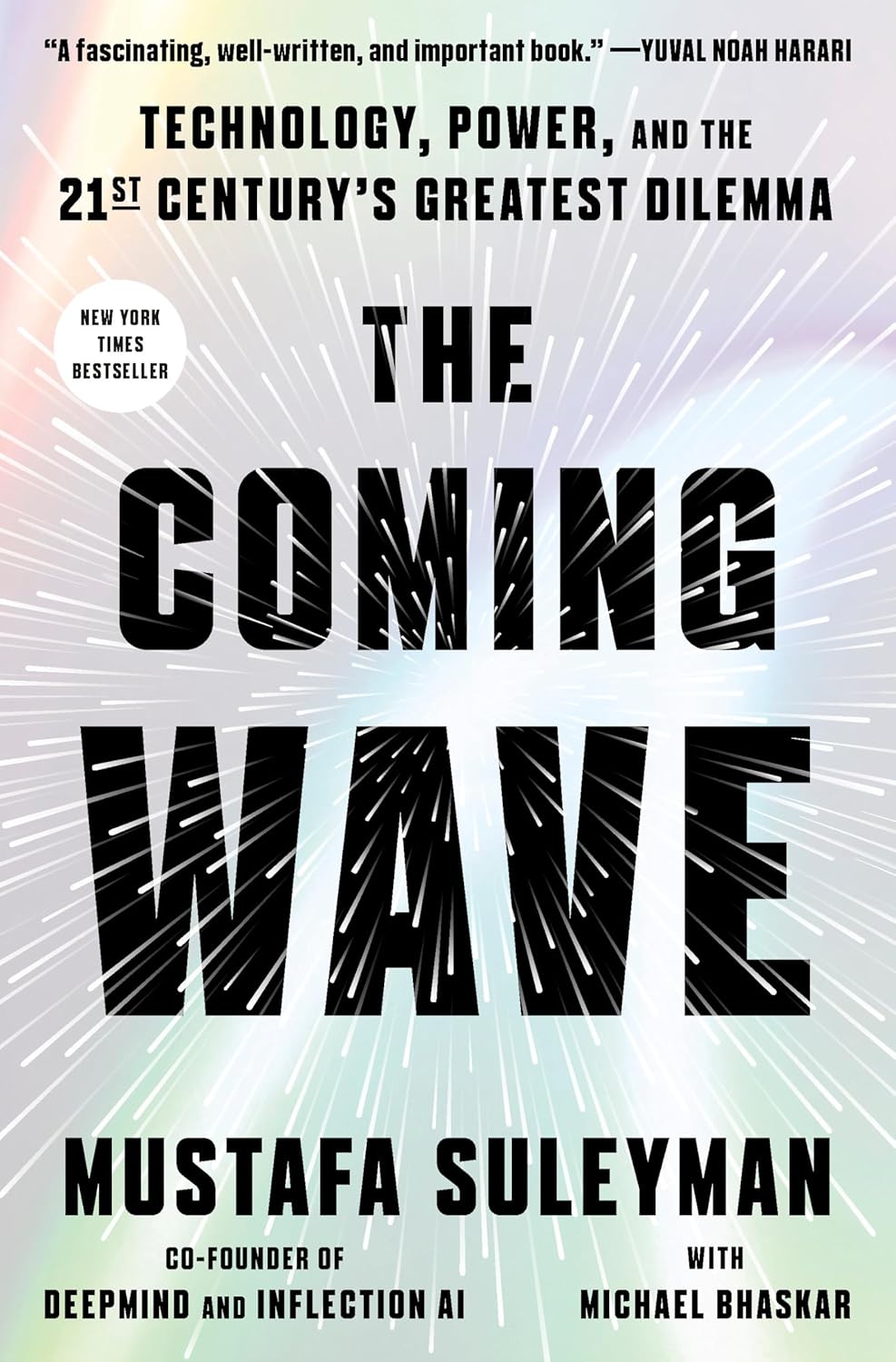
DeepMind co-founder on the dilemma of containing technologies that do not want to be contained.
As an Amazon Associate, Zendoric earns from qualifying purchases; the price does not change for you. · all our recommended books →
Court documents unsealed on July 2, 2026, in the Northern District of California — first reported by the Wall Street Journal and published by Gizmodo — reveal the private exchange behind the collapse of talks between Anthropic and the Department of Defense. The emails, between CEO Dario Amodei and Emil Michael, the Pentagon's Under Secretary of Defense for Research and Engineering, establish that the dispute was never about what Claude can do. It was about control: whether the Pentagon could use the model for fully autonomous weapons and domestic surveillance without restriction.
Anthropic held two firm lines throughout: Claude could not power fully autonomous weapons, and it could not be used for domestic surveillance. These matter because of what they forbid. DoD Directive 3000.09 defines a fully autonomous system as one that, once activated, can "select and engage targets without further intervention by a human operator" — the "human out of the loop" scenario — while requiring "human judgment over the use of force" rather than manual control at every step. Anthropic's redline implicitly demanded something stricter: that Claude never be a decision node in a targeting pipeline with no human in the loop at the lethal moment. Amodei's stated rationale was an engineering claim, not just a values statement — that frontier systems are "simply not reliable enough to power fully autonomous weapons."
The Pentagon wanted access for "all lawful uses" — a phrase that, as Amodei noted, quietly swallows the redlines, since U.S. law permits domestic surveillance in some circumstances. When talks unraveled in early 2026, Michael rejected the offensive/defensive distinction outright — "There is no distinction in our world between weapons that are defensive or offensive" — and called Anthropic's guardrails "just not workable." The most striking detail is the timing: per the record, the supply-chain risk designation was finalized, and the next day — before Anthropic had even been told — Michael emailed that the parties were "very close," a sequence one federal judge reportedly found "exceedingly difficult to square."
Our reading: this is a landmark test of whether an AI company can hold an ethical line against its most powerful customer — and a preview of how the coming decade's most consequential deployments will be governed. We don't romanticize either side. Anthropic's redlines are commercially costly and, cynically, also good branding; the Pentagon's insistence on "all lawful uses" is a coherent institutional demand, not cartoon villainy. But on the merits, keeping a human in the loop at the moment of a lethal decision is not excessive caution — it is the minimum defensible standard when the vendor itself says the technology isn't reliable enough. The deeper lesson tracks a thread we've followed: as with export controls, coercing a safety-focused supplier doesn't make the capability safer — it just routes demand to a less scrupulous one. The near-term danger is a race to the bottom where "too safe for war" becomes a disqualifier. The long-term prize — AI that helps defend without dissolving human accountability for killing — depends on making those redlines the industry floor, not a competitive disadvantage. What a judge does with that one-day gap may matter more than any benchmark.
📚 Go deeper

The definitive piece of investigative journalism on OpenAI: 260+ interviews, the clash between safety and speed, and the attempted firing of Sam Altma

The best starting book if you're not technical: a Wharton professor explains how to work WITH AI — when to delegate, when to supervise, when to keep i
As an Amazon Associate, Zendoric earns from qualifying purchases; the price does not change for you. · all our recommended books →
🔗 Related on Zendoric
- The Pentagon bars Claude over its ethical guardrails as OpenAI admits failures reaching federal agencies · 2026-09-29
- The Pentagon Just Priced Safety Guardrails as a Supply-Chain Risk — and Made Its AI Stack Uniform · 2026-09-01
- The Pentagon wins the legal battle to expel Claude from its systems: a precedent that weighs beyond Anthropic · 2026-09-28