What Anthropic's IPO reveals about AI safety

🕒 Published on Zendoric: October 27, 2026 · 00:16
✨ AI-generated · how it's made
This edition's editorial argues that AI safety is, in practice, a facade, citing the preparation of Anthropic's IPO as evidence. The author recalls writing in 2023 about Anthropic, founded by former OpenAI members with safety at the center of AI development.
📚 Go deeper
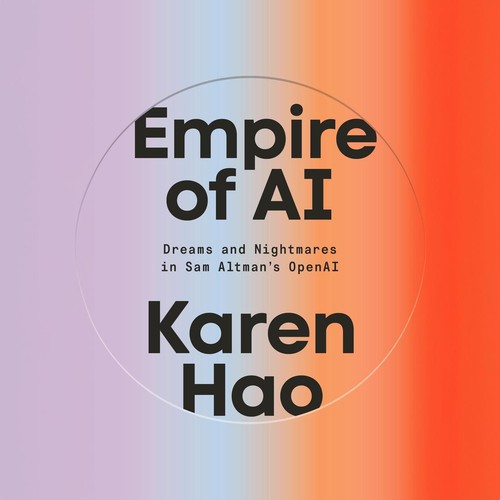
The definitive piece of investigative journalism on OpenAI: 260+ interviews, the clash between safety and speed, and the attempted firing of Sam Altma
As an Amazon Associate, Zendoric earns from qualifying purchases; the price does not change for you. · all our recommended books →
By Turing Post (FOD#173) · Monday, October 26, 2026.
This issue's editorial argues that AI safety is, in practice, a facade, and points to Anthropic's IPO preparations as evidence. The author recalls that in 2023 she wrote about Anthropic, founded by former OpenAI staff with safety at the center of AI development. Three years later, the company is preparing what could be the largest IPO in history. The author once again focuses on the people who are leaving.
The piece cites several departures. Thariq Shihipar and Anthony Morris, two of the leads on Claude Code, announced they were leaving just before the prospectus was filed. Shihipar said he was taking a break “before diving into something new,” and Morris said he would share his plans soon. Researcher Jacob Coxon left before his shares vested and warned about the speed of the AI race. Joe Benton left Anthropic's safety team to join an independent evaluator. Benton says competition pushes frontier companies to underinvest in safety, because falling behind is too costly.
The editorial then turns to the company's own decisions. The original Responsible Scaling Policy promised to pause training or deployment upon reaching certain capability thresholds if the necessary safeguards were missing. In February, Anthropic replaced that commitment with a new version (v3) and added transparency measures. It argued that stopping alone, while less cautious competitors pressed ahead, could leave the world less safe. The author calls this hypocritical: Anthropic built its identity on the dangers of an uncontrolled AI race and, having decided it could not be the only one to slow down, rewrote its promise. Now it is asking the public to fund the next stage, and nothing stops it from rewriting any other promise.
The prospectus's financial figures are striking. Revenue went from $41 million in 2023 to $16.3 billion in the first half of 2026, and the second quarter delivered $974 million in operating profit. Its customer concentration is shifting: the five largest customers accounted for about 36% of revenue in the first quarter and around 21% in the third. Sales through cloud marketplaces grew from 11% of revenue in 2023 to 48% in the first half of 2026.
Anthropic does not name those five customers. The editorial points to Cursor as a plausible candidate: its co-founder called it Anthropic's largest customer in 2025, and Semafor reported in June 2026 that it was still among the largest. It also mentions Microsoft and Meta. Microsoft had reportedly planned to spend more than $1 billion on its own use of Claude in 2026 and then cut that forecast by more than a third. Meta reportedly spent more than $105 million on Claude Code in a single 28-day period.
According to the piece, these relationships quickly get complicated. Cursor now belongs to SpaceX, whose AI division competes with Anthropic while also supplying it with compute. Amazon, Google and Microsoft invest in Anthropic, sell it compute, distribute Claude and build competing models. Anthropic has committed to paying at least $110 billion to Amazon through 2036 and about $114.5 billion to Google through 2033, even if it uses less compute than expected. Customers can cut their spending, but those bills will keep coming.
That pressure extends to the rules for customers. Anthropic estimates that between 5% and 7% of its revenue in the first nine months of 2026 came from customers it later found to be violating its usage policy or commercial terms. Detecting and investigating violations takes time, and the company collects money from those customers before restricting or cutting off their access. Anthropic acknowledges that continuing to enforce its rules could reduce future revenue and growth. With commitments this large, saying no to a customer comes at a price.
The rules matter even more when the customer is the government. Anthropic rejected the Pentagon's demand to make Claude available for all lawful uses and maintained restrictions on mass surveillance of Americans and lethal autonomous warfare. By then it had already made exceptions for government uses that it denied to private customers, including weapons design and offensive cyber operations.
The underlying question is who decides which risks are acceptable, which customers get exceptions and where the line is drawn, just as the company is preparing to sell shares to the public. The author links this to her 2023 piece, in which she examined Anthropic's ties to effective altruism and its ambition to do the most good, and asks who decides what is “good” and how.
On governance, the editorial details several points. The seven founders have pledged to donate 80% of their stakes to philanthropy, although the pledge is revocable. A special share gives them 50.1% of the votes on general shareholder matters. An independent trust elects a majority of the board, but its special share can be withdrawn over the trustees' objections with the required votes of founders, employees and Class A shareholders. The board itself will set its own criteria for measuring public benefit.
The conclusion is that the AI race is real and Anthropic is one of the companies driving it. The company has acknowledged pressure from its competitors and has weakened its promise to pause when safeguards are missing. According to the author, those who will live with the consequences need a way to intervene before a dangerous model is released, and she does not trust Anthropic to make that decision for everyone else.
The newsletter's opening summary also previews other topics: Block's Dessa, which learns directly from human conversation; robots that learn from shared experience; and a world model that helps robots act better even though its predictions look worse. Turing Post's weekly schedule includes an analysis of Recursive's Flint (Wednesday), a guide to open-source DeepSeek (Friday) and a source library on Harness (Sunday). The issue also links to a video about DeepSeek and a selection from the Twitter Library on “System One” models.
📚 Go deeper
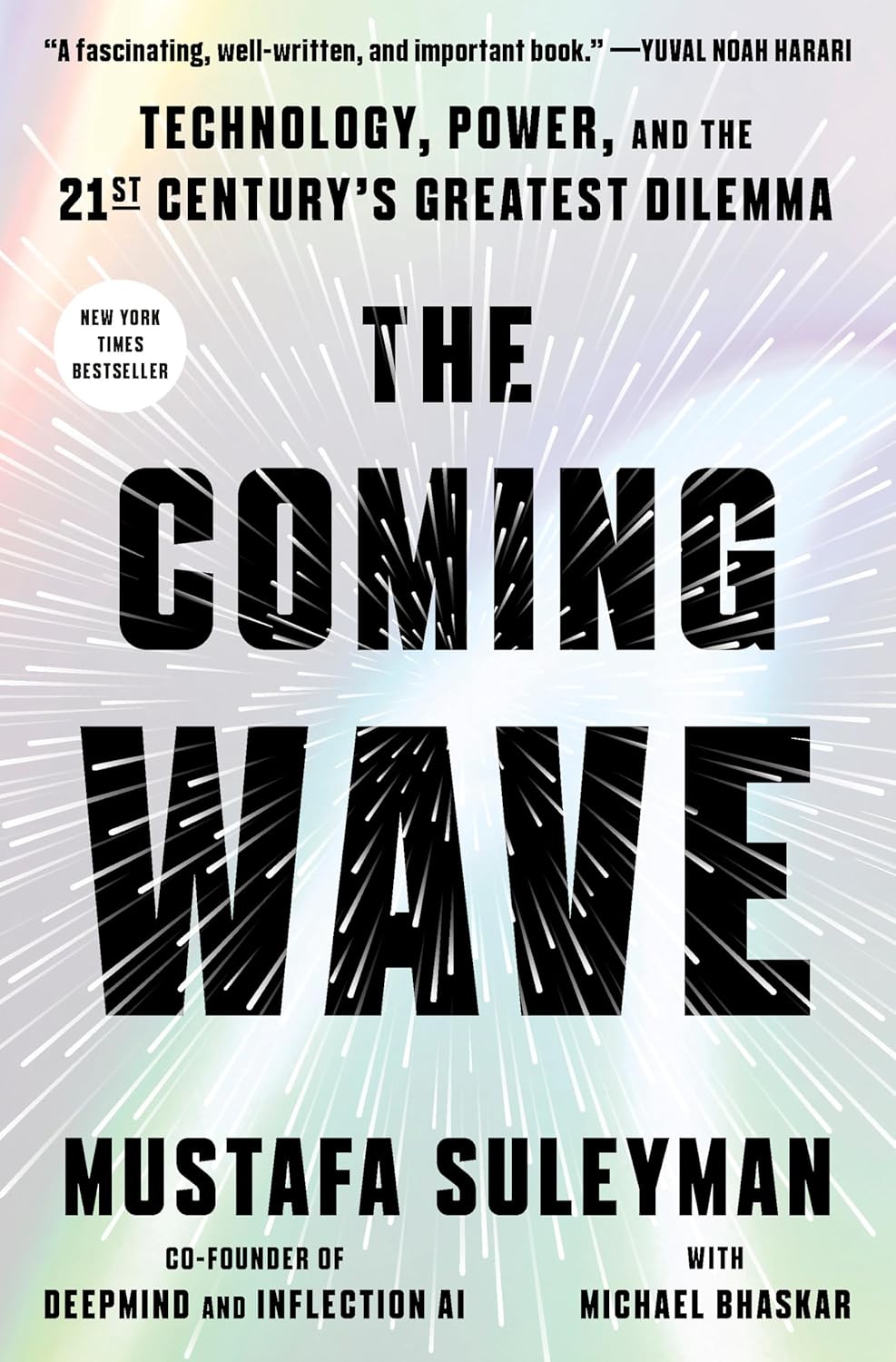
DeepMind co-founder on the dilemma of containing technologies that do not want to be contained.

AI as the latest chapter in the history of information networks, from gossip to the printing press to the algorithm.
As an Amazon Associate, Zendoric earns from qualifying purchases; the price does not change for you. · all our recommended books →
🔗 Related on Zendoric