Oracle bets on agents that act, not chat: permissions and human oversight are the real product

🕒 Published on Zendoric: October 27, 2026 · 00:16
✨ AI-generated · how it's made
At AI World 2026, Oracle presented its vision of agents that carry out tasks inside company processes. Its edge isn't the model but inheriting permissions and leaving an audit trail. What will really decide the race is governance.
📚 Go deeper
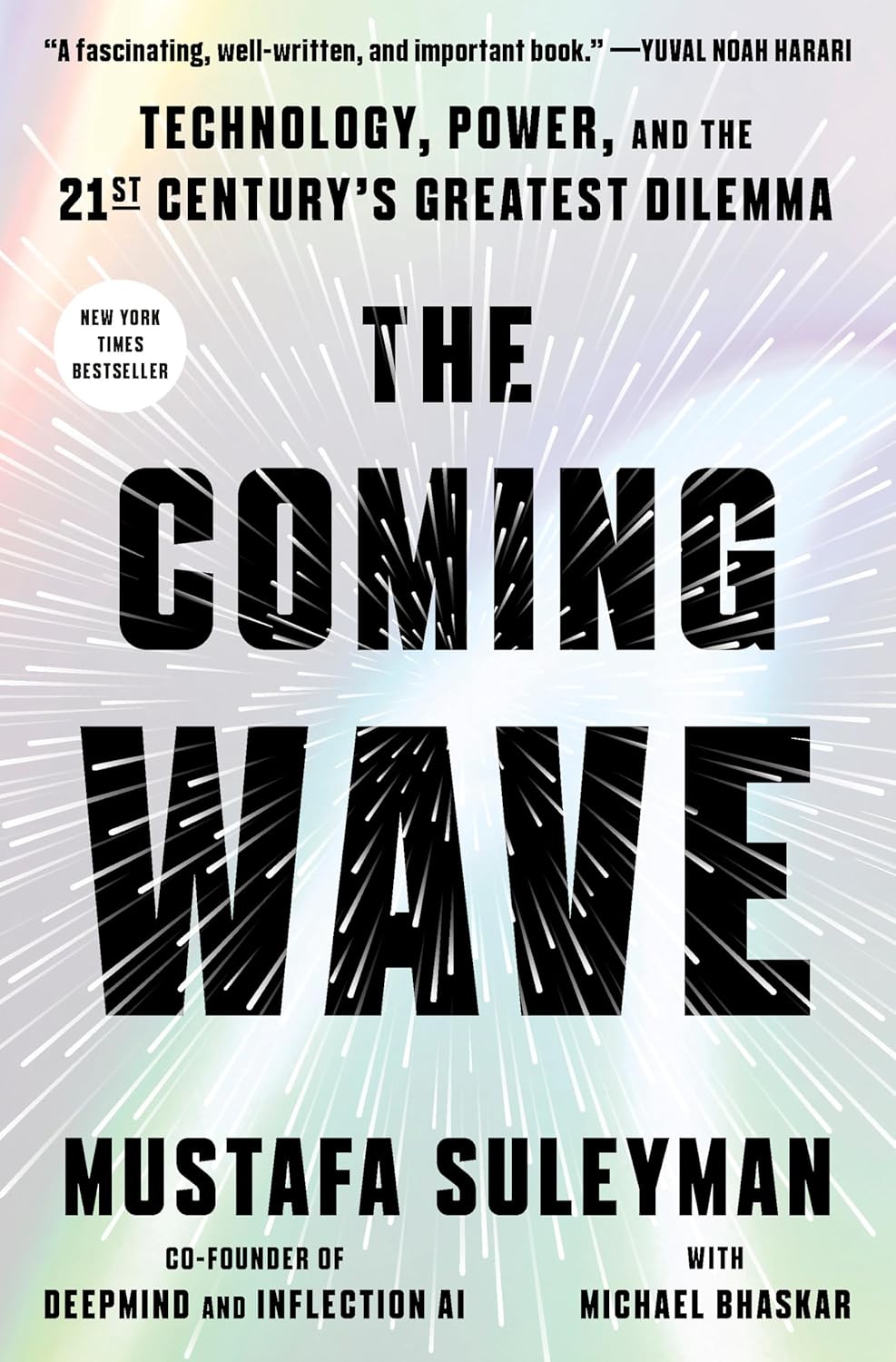
DeepMind co-founder on the dilemma of containing technologies that do not want to be contained.
As an Amazon Associate, Zendoric earns from qualifying purchases; the price does not change for you. · all our recommended books →
By El Ecosistema Startup · October 26, 2026.
Oracle opened Oracle AI World and SuiteWorld 2026 in Las Vegas with $1 billion committed over four years to its partner ecosystem, according to Unite.AI as cited by the source. CEO Mike Sicilia argued that AI is moving from generating answers to "understanding business context, executing tasks and supporting companies' operations."
Sicilia set out three conditions: access to the right information with the right permissions, integration of AI with the company's data and context, and connection to operational processes so that decisions turn into actions. He also stressed that technology isn't the only challenge: simple experiences must be designed, and it must be defined how agents operate within each organization's policies and regulations.
The vehicle is AI Agent Studio, introduced, according to Crypto Briefing, in March 2025 within Fusion Cloud Applications with more than 50 prebuilt agents. October 2025 brought a marketplace of Oracle-validated agents and, in July 2026, a native builder that unifies no-code, low-code and pro-code paths (that is, from tools requiring no programming to full development). According to the same source, more than 80,000 experts were certified by mid-2026. The key detail: agents respect existing access controls and leave an audit trail, so if an employee can't see a piece of data, neither can the agent acting on their behalf.
Figures from the competitive landscape add perspective. A Salesforce survey of 2,025 decision-makers, reported by TechTimes, indicates that among the 30% of organizations with agents in production, significant returns arrive in about eight months. Those with lighter oversight get there in 7.2 months versus 9.3 for those with heavy governance, but they discover an agent operating outside its parameters only after a consequential error 32% of the time, versus 18%. According to The Next Web, Salesforce has racked up 29,000 Agentforce deals and $800 million in annual recurring revenue, with consumption-based pricing (around $0.10 per standard action), and SAP unveiled more than 200 agents alongside a partnership with Anthropic.
**Our take.** Oracle's thesis is unflashy and therefore credible: an agent is worth what it executes with your permissions and your data, not how well it converses. In practice, Oracle competes with an advantage that doesn't depend on having the best model: it already holds its customers' transactional data and permission schemes. Whoever controls that "plumbing" of identity, data and execution owns the layer where value is determined. It's the same dynamic we see among platforms protecting their attention margins and data perimeters.
The most revealing figure is the trade-off in the Salesforce study: moving fast with light governance buys a few months of returns at the cost of nearly twice as many incidents discovered late. It should be read with caution, as it is a survey by a vendor with a stake in the market rather than an independent measurement. Even so, it matches common sense: human oversight isn't bureaucracy, it's part of the design. And inheriting permissions is a sturdier answer than trusting the agent's good will.
There is a nuance the sales pitch leaves out. These agents mainly take on coordination and support tasks (searching for information, checking policies, preparing reports, handling requests). Oracle talks about "freeing employees for higher-value activities," but in the short term that means fewer hands in companies' administrative layer. That transition will be uneven, and it should be said without euphemisms.
Still, the long-term outlook is encouraging: routine processes running on their own, with traceability and clear limits, is a step toward an economy where human work focuses on judgment, relationships and creativity. The risk is getting there with agents lacking guardrails defined in advance. Those who don't define them beforehand end up defining them afterward, under pressure from vested interests.
📚 Go deeper
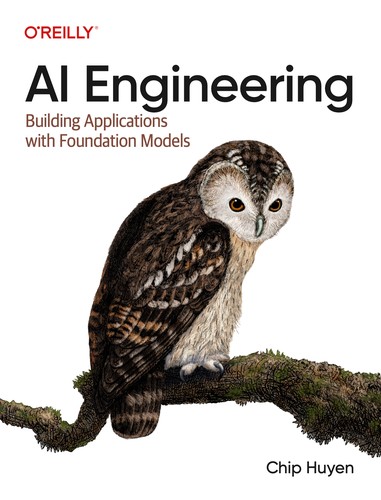
The reference manual for building products on top of AI models: prompts, RAG, fine-tuning, agents, evaluation and deployment.

The definitive piece of investigative journalism on OpenAI: 260+ interviews, the clash between safety and speed, and the attempted firing of Sam Altma
As an Amazon Associate, Zendoric earns from qualifying purchases; the price does not change for you. · all our recommended books →
🔗 Related on Zendoric
- Chatbots are no longer enough: companies start handing entire tasks to autonomous AI agents · 2026-09-15
- From being unable to connect the robot to beating it 19 times in a year: AI enters the physical world without being trained for it · 2026-06-29
- Nutanix bets on governing AI agents before token spending spirals out of control · 2026-07-04