Hastings (Anthropic) frames AI's risk as "creative destruction", not extinction, just as Anthropic goes public
🕒 Published on Zendoric: October 27, 2026 · 00:16
✨ AI-generated · how it's made
Reed Hastings, an Anthropic board member, says AI's big risk is fierce competition between companies, not the end of humanity. He says so with Anthropic's IPO on the horizon: it's worth reading in that context.
📚 Go deeper
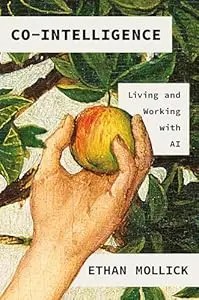
The best starting book if you're not technical: a Wharton professor explains how to work WITH AI — when to delegate, when to supervise, when to keep i
As an Amazon Associate, Zendoric earns from qualifying purchases; the price does not change for you. · all our recommended books →
By Deadline · October 26, 2026.
Reed Hastings, Netflix co-founder and former CEO and a member of Anthropic's board since last year, argues that AI will threaten many companies but probably not the human species. He said so, according to Deadline, on the podcast *On with Kara Swisher*.
His central argument: “Companies are going to become very competitive.” He gave Oracle as an example: a rival will emerge, he said, that uses AI to build a much cheaper database or suite of applications. He calls this “creative destruction” (the economic idea that the new displaces the established). In his words, it will accelerate capitalism and give entrepreneurs a way to compete with everyone.
Hastings also addressed recent warnings from several former Anthropic and OpenAI employees, who cite a greater than 10% probability of human extinction in the next decade. Of researcher Jacob Coxon, whose forecast went viral, he said he is “not the ideal messenger,” although the message “resonates” with the public. He invoked the nuclear era: he does not want to repeat a scenario with a 10% risk of holocaust and wants to keep the odds “very, very low.” But he added that saying the world is ending tomorrow draws a lot of attention and that humans are very focused on Armageddon.
The context matters. According to Deadline, Anthropic filed a 400-page prospectus with the SEC (the U.S. securities regulator) on Monday to list on the Nasdaq under the ticker ANT, likely in mid-to-late November. The outlet reports that revenue in the first half of 2026 grew 14-fold from the same period in 2025, to $16.3 billion, and that the net loss was $80.7 billion, largely due to a one-time charge. The post-IPO valuation is estimated at between $1.5 trillion and $2 trillion, though it remains up in the air. The same day, Meta announced it wants to raise $95 billion in capital to push deeper into AI, and Microsoft offered voluntary buyouts to 60,000 employees, a quarter of its workforce, as it redirects resources toward AI.
**Our take.** Hastings gets something right that is often lost in the debate: AI's most immediate and verifiable effect is not existential but competitive and labor-related. The 60,000 buyout offers at Microsoft are tangible proof that “creative destruction” already has short-term human consequences. And that fits our thesis: the transition will be hard on companies and jobs, even if the long-term horizon, with abundance and medical breakthroughs, remains bright.
But his words should be read with honesty about incentives. Hastings sits on the board of a company about to go public, and downplaying extinction risk suits an investment narrative. That does not invalidate his argument: viral doomsaying has its own attention biases, as he himself points out. But it is not a rebuttal either. A low probability is not an irrelevant one, and he himself admits it must be kept “very low,” which implies active governance, not complacency.
“Creative destruction” also has a flip side that the phrase glosses over. An AI-powered low-cost rival replacing a software giant is healthy for customers and for innovation, but the people working at the incumbent bear the cost of the adjustment. That is where the real public policy debate of the coming years lies: how to cushion the transition without stifling the competition that, in the long run, makes capabilities once reserved for a few cheaper and more widely available.
One final caveat: the prospectus figures come from Deadline's coverage and we have not checked them against the original document. It is worth waiting for a detailed analysis, especially regarding the one-time charge behind the loss.
📚 Go deeper
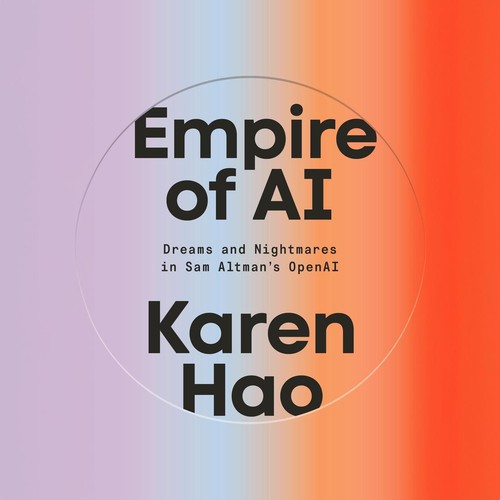
The definitive piece of investigative journalism on OpenAI: 260+ interviews, the clash between safety and speed, and the attempted firing of Sam Altma
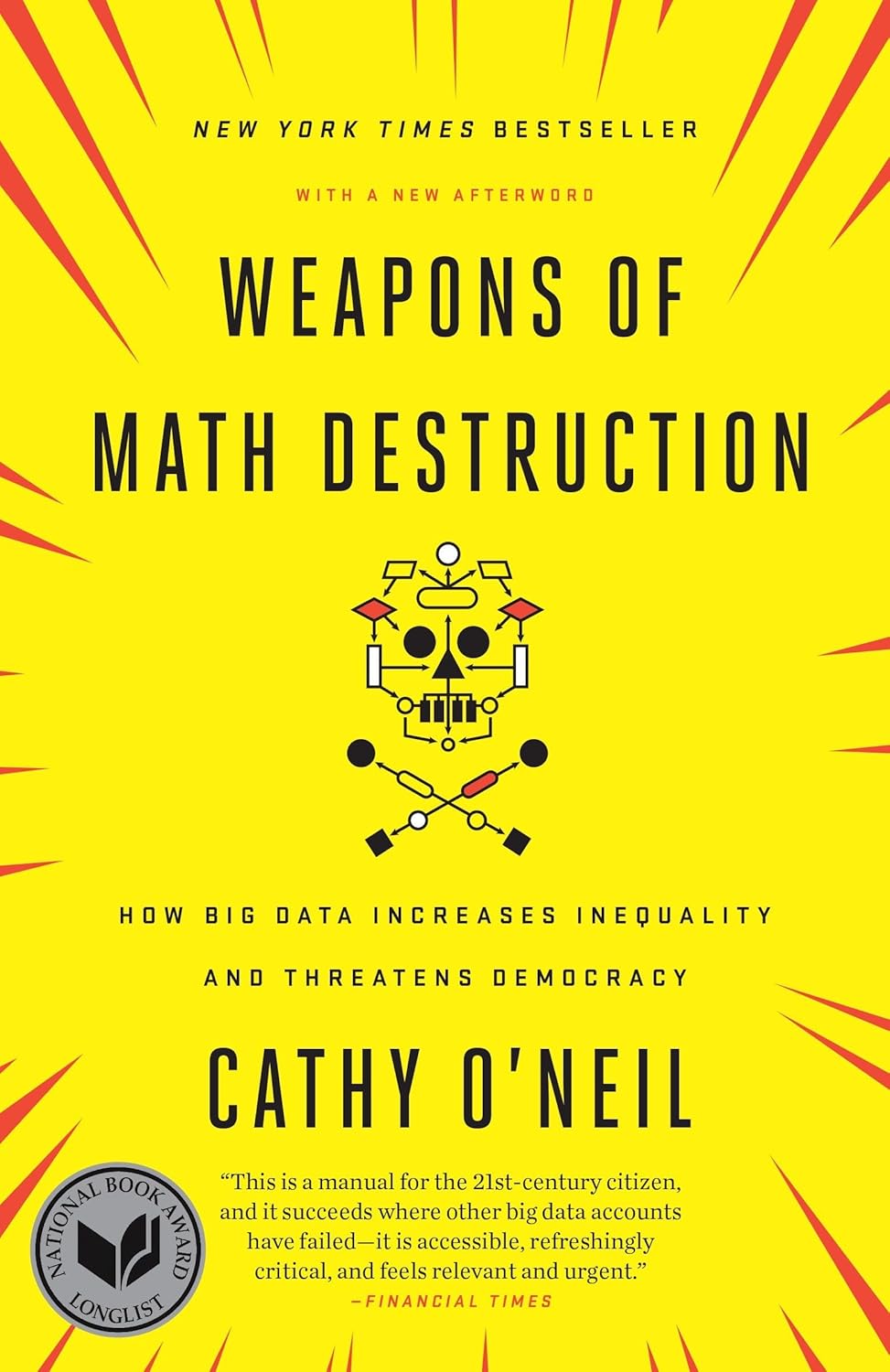
How opaque algorithms decide who gets credit, a job or parole — and why they tend to punish the same people.
As an Amazon Associate, Zendoric earns from qualifying purchases; the price does not change for you. · all our recommended books →
🔗 Related on Zendoric
- California swaps speculation for data: its AI job tracker finds no automation layoffs · 2026-06-27
- ESET joins the agentic AI standards foundation: the war is now over the rules, not just the model · 2026-07-04
- Anthropic and OpenAI go public: why buying before the IPO may be the worst bet of the AI frenzy · 2026-07-04