More AI literacy, more job anxiety: a Chinese vocational education study suggests career planning is key

🕒 Published on Zendoric: October 27, 2026 · 00:16
✨ AI-generated · how it's made
A survey of 1,234 higher vocational students in China links greater AI knowledge with greater employment anxiety, but also identifies paths that reduce it: career planning and a forward-looking outlook. It is correlational, but it points to how AI should be taught.
📚 Go deeper
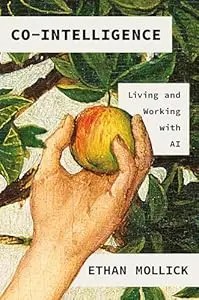
The best starting book if you're not technical: a Wharton professor explains how to work WITH AI — when to delegate, when to supervise, when to keep i
As an Amazon Associate, Zendoric earns from qualifying purchases; the price does not change for you. · all our recommended books →
By Bioengineer.org · October 26, 2026.
A cross-sectional study published in Scientific Reports surveyed 1,234 students at five higher vocational colleges in Jiangxi province, China. Its main finding is that greater AI literacy, meaning the ability to understand, use and evaluate these tools, is directly associated with more job anxiety. The total relationship is also positive.
The nuance lies in the indirect pathways. According to the authors (Xiong, Yu and Wu), career planning, future time perspective (how much people think about and plan for their own future) and a chain combining the two are associated with less anxiety. The total indirect effect is negative, though not enough to cancel out the direct one.
The scope of the study matters. These are self-reported measures from a single survey, in one province and five colleges. The design does not allow claims about causality or direction: it shows neither that knowing about AI causes anxiety nor that planning reduces it. Based on the available material, effect sizes and confidence intervals are not reported either, so it is impossible to say which mediator carries more weight. The authors recommend combining AI training with career guidance, but they did not test any intervention.
Our take: the result is uncomfortable, yet it makes sense. People who understand AI better see more clearly which tasks can be automated, and that clarity is unsettling. Here, anxiety may reflect a realistic view rather than a failure of education. Broadly speaking, the short-term risk is real, especially in routine roles, and pretending otherwise does young people no favors.
The valuable part is the other half of the finding: what softens the anxiety is not knowing less, but having a plan and looking ahead. That supports a view we hold: the problem is not that "AI takes your job" but that it changes which work matters, and those with the tools to find their bearings handle the shift better. Teaching AI without career guidance would mean training people who see the wave coming but don't know which way to swim.
In the long run, if AI brings us closer to an economy of abundance where people work on what they are passionate about, the ability to plan one's own future will be as basic a skill as digital literacy itself. This study does not prove that, but it points to where investment is needed during the hard stretch of the transition. Before turning it into education policy, longitudinal studies and trials with real interventions will be needed.
📚 Go deeper
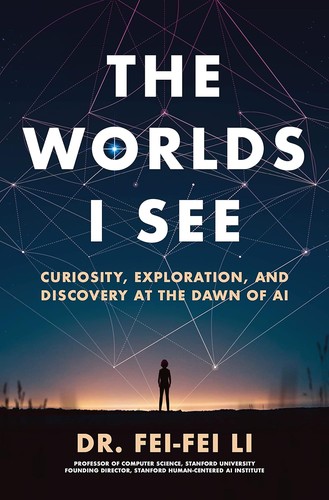
The memoir of the creator of ImageNet, the scientist who made the deep learning revolution in vision possible.
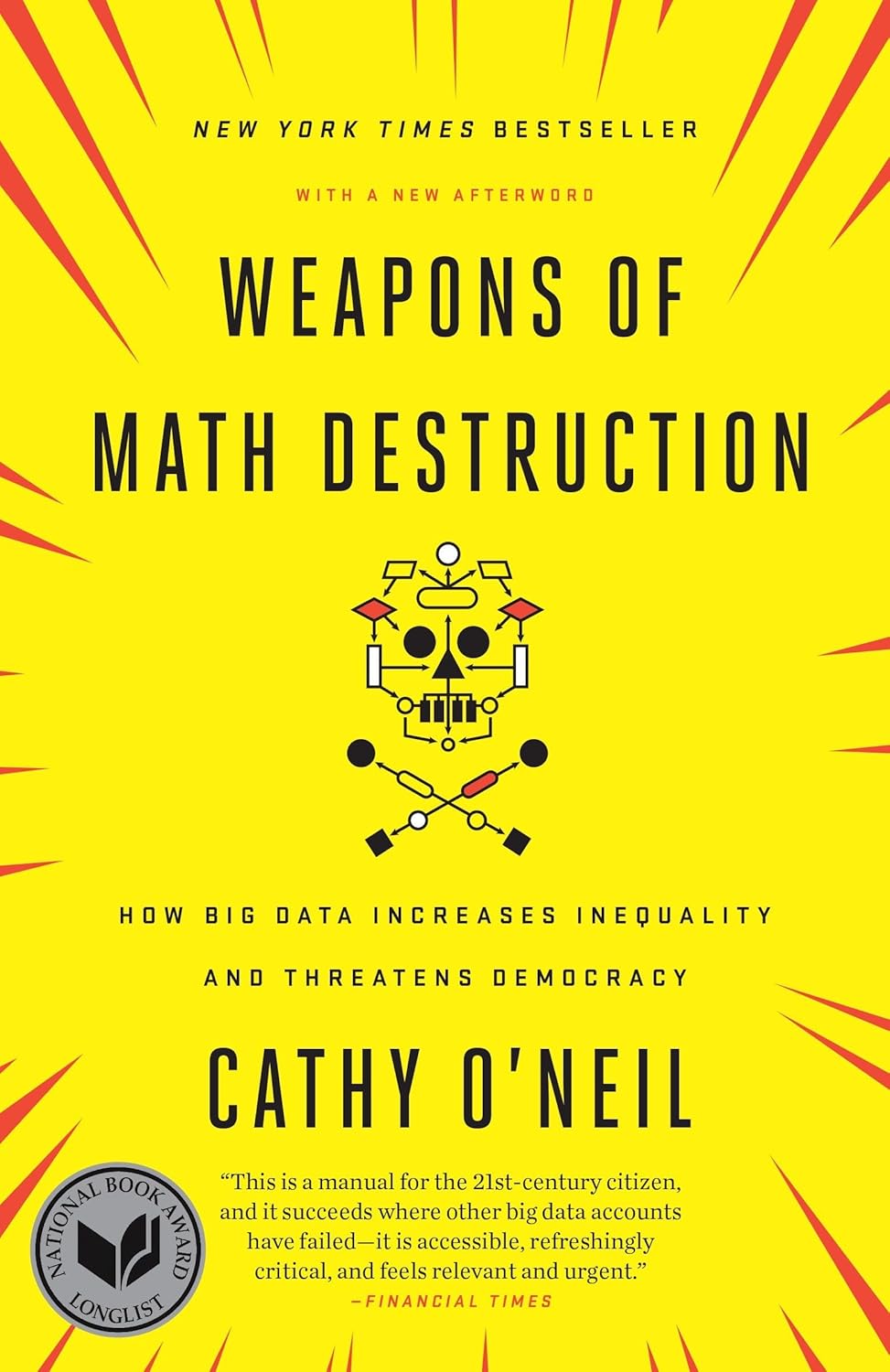
How opaque algorithms decide who gets credit, a job or parole — and why they tend to punish the same people.
As an Amazon Associate, Zendoric earns from qualifying purchases; the price does not change for you. · all our recommended books →
🔗 Related on Zendoric
- Hunting AI cheats at university: half of those accused suffer extreme anxiety, study reveals · 2026-09-08
- Medellín teaches AI to teenagers through urban music: literacy, not just the model, is the race that matters · 2026-07-21
- Students are rethinking careers and majors as AI advances, according to a CNBC survey · 2026-09-03