Choosing a chatbot for studying is no longer about models but about how you use it: an Irish guide reveals the real dilemma
🕒 Published on Zendoric: October 27, 2026 · 00:16
✨ AI-generated · how it's made
A Tech Insider guide compares ChatGPT, Gemini, Claude and Perplexity for Irish students. The value isn't the ranking but that nearly every recommendation lands on the same idea: use AI as a tutor that critiques, not an author that writes.
📚 Go deeper
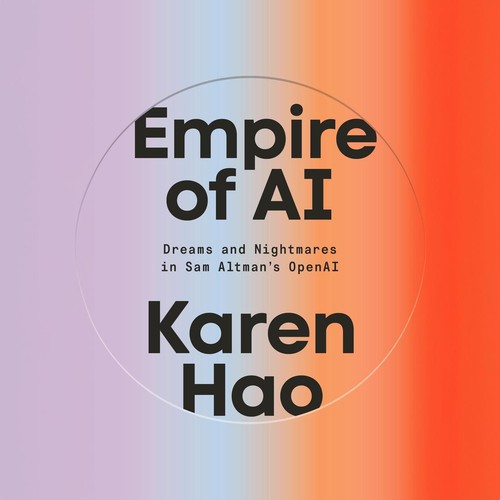
The definitive piece of investigative journalism on OpenAI: 260+ interviews, the clash between safety and speed, and the attempted firing of Sam Altma
As an Amazon Associate, Zendoric earns from qualifying purchases; the price does not change for you. · all our recommended books →
By Tech Insider · October 26, 2026.
Tech Insider has published a guide for students in Ireland comparing four assistants: ChatGPT, Gemini, Claude and Perplexity. According to the outlet, all four have changed in the past five weeks. It cites the launch of Claude Opus 5.5 (September 22), Sonnet 5.5 (September 28) and Haiku 5.5 (October 7), the arrival of GPT-6 (from October 7) and the availability of Gemini 4 Argon (October 13).
Its recommendations are editorial and rely on what the makers themselves publish, not on independent testing. The article admits that it did not run any exam-based tests and that no independent benchmark exists for university coursework in Ireland. So the results are best read as a product guide, not as a measurement.
These are the guide's main picks:
• Best all-rounder: ChatGPT. According to OpenAI, GPT-6 includes an “Intelligent UI” that generates interactive, visual screens within the chat. The free plan uses GPT-6 Luna, and Plus costs $20 a month. • Best for essays and long readings: Claude. Anthropic says Docs, Slides and Design came out of beta on October 23 and work on all plans, including the free one. Pro costs $20 a month. • Best value, if you're eligible: Gemini. Google says eligible university students can get a free 12-month student plan. The article warns that it could not confirm whether Irish institutions qualify, and that these claims come from a single source. • Best for checking sources: Perplexity, an answer engine that cites the web. According to the article, its pricing also comes from a single source.
A few concrete figures help put the offerings in perspective. According to Google, Argon costs $2 per million input tokens and $10 per million output tokens until November 30, 2026, and $4 and $20 after that. Tokens are the chunks of text a model splits what it reads and writes into. Anthropic also says Opus 5.5 costs 40% less than Opus 5, though the article's sources give no usage figure for students.
The article also flags a practical problem. According to OpenAI's help pages, GPT-6 runs alongside the GPT-5.6 family and does not retire earlier models. Which model answers depends on the plan and the rollout stage. Two classmates may see different labels and get different answers.
Our take: the most interesting thing about the guide is not who wins but what recurs in every section. The workflows it proposes for ChatGPT and Claude follow the same pattern: the student writes, answers or drafts first, and the AI then corrects, grades or critiques. That is the difference between a tutor and a ghostwriter, and the guide explicitly argues for the former. We agree: AI's educational value lies in the effort the person keeps putting in, not in the text that gets handed in.
There is also a deeper consequence. When all four products are good enough and prices converge around $20 a month, the model stops being the deciding factor. What matters instead is the ecosystem (Google's storage, Claude's document work, Perplexity's source checking) and, above all, each institution's rules. The guide notes that Irish universities set their own policies, sometimes module by module. It recommends keeping a record of the prompts used and citing the product and model version.
One caveat follows from our editorial line. In the short term, the risk is not that students use AI. The risk is that they use it to skip learning, and that the gap could widen between those who pay $20 a month and those who don't. Useful free plans and student discounts reduce that risk, but don't eliminate it. Reliability is a similar issue: chatbots can state false facts with confidence, and any claim that ends up in an assignment needs a primary source behind it.
In the long term, the outlook is brighter. A personalized, patient and nearly free tutor for every student is one of the clearest paths toward a society with more developed talent and less educational inequality. Getting there will require institutions to move from banning or ignoring the tool to assessing the process, not just the final product.
As industry context, the figures in this guide should be treated with caution. Several come from a single source, the article itself acknowledges inconsistencies in Perplexity's documentation, and the products change every week. If a feature matters for an assignment, test it before relying on it.
📚 Go deeper
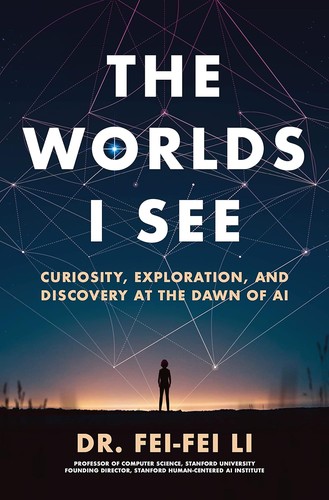
The memoir of the creator of ImageNet, the scientist who made the deep learning revolution in vision possible.
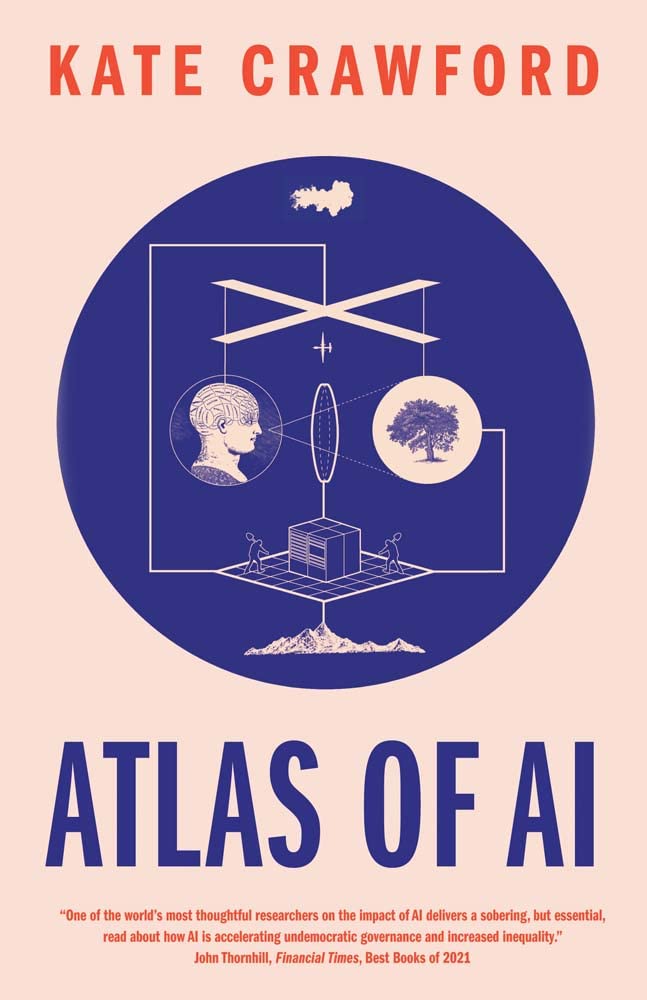
AI as an extractive industry: the lithium, the energy, the underpaid data-labeling work and the bodies behind the cloud.
As an Amazon Associate, Zendoric earns from qualifying purchases; the price does not change for you. · all our recommended books →
🔗 Related on Zendoric
- ChatGPT, Claude, Gemini and Grok Went Dark at Once: AI Now Has Infrastructure Status Without Infrastructure Rules · 2026-09-03
- A 24-hour AI tutor is now routine in STEM: the gain is access, the risk is no longer thinking for yourself · 2026-09-27
- Industrial-scale 'distillation' turns the API into a geopolitical battleground · 2026-06-27