AI's value lies in the operating model, according to McKinsey

🕒 Published on Zendoric: September 12, 2026 · 13:31
✨ AI-generated · how it's made
This issue of McKinsey Quarterly, signed by Alexis Krivkovich and Ulf Schrader, global leaders of the firm's People & Organization practice, features as its lead piece the article "The key to AI value is hiding in plain sight: Your operating model".
📚 Go deeper
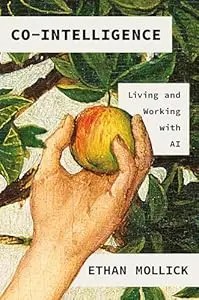
The best starting book if you're not technical: a Wharton professor explains how to work WITH AI — when to delegate, when to supervise, when to keep i
As an Amazon Associate, Zendoric earns from qualifying purchases; the price does not change for you. · all our recommended books →
By McKinsey & Company · September 11, 2026.
This McKinsey Quarterly mailing, signed by Alexis Krivkovich and Ulf Schrader, global leaders of the firm's People & Organization practice, features as its lead piece the article "The key to AI value is hiding in plain sight: Your operating model". According to the email, new McKinsey research shows that organizations achieving results in their AI transformation do not get there by adopting a single "optimal" operating model, but by making intentional design choices and executing them with discipline. The article carries the subtitle "5 lessons from reinventors", that is, five lessons drawn from companies that are reinventing how they operate around AI, although the body of the email does not specify what those five lessons are.
In the "Also Consider" section, McKinsey links to two additional related pieces: "From adoption to impact: Three horizons of AI transformation" and "A new operating model for a new world". Neither includes any further description in the body of the message, so their content cannot be summarized without speculating.
The email also promotes a live event, "McKinsey Live", titled "Improving the economics of agentic AI: A guide for business leaders", scheduled for September 22. According to the text, only 6% of companies see significant EBIT impact from AI, and closing the gap between spending and value generated has become a critical governance challenge. The session will be hosted by Senior Partners Tanguy Catlin and Lari Hämäläinen, who will explain how to weigh the use of agentic AI against the true cost of the work it replaces, and how to decide where to scale it and where to pull it back.
In general, McKinsey Quarterly mailings like this one serve as a summary or teaser for the full content hosted on its website. The body of the email therefore does not include the full analysis or the five lessons mentioned, only the premise and access links.
📚 Go deeper
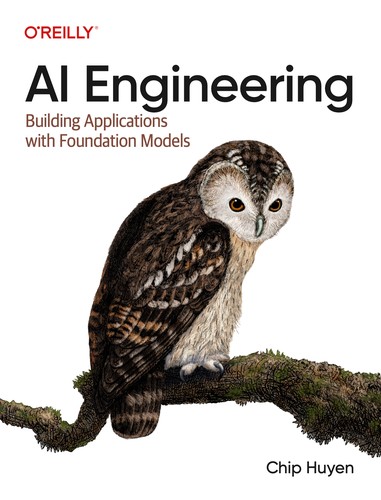
The reference manual for building products on top of AI models: prompts, RAG, fine-tuning, agents, evaluation and deployment.
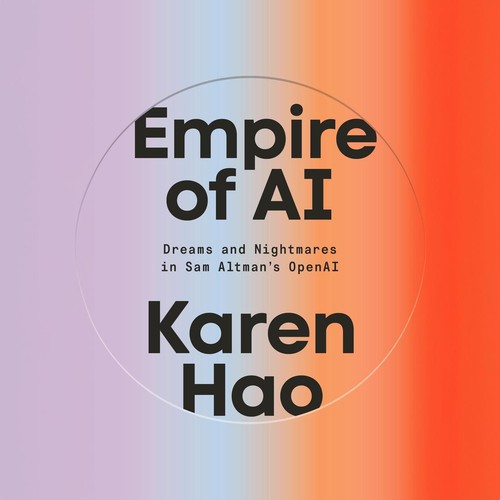
The definitive piece of investigative journalism on OpenAI: 260+ interviews, the clash between safety and speed, and the attempted firing of Sam Altma
As an Amazon Associate, Zendoric earns from qualifying purchases; the price does not change for you. · all our recommended books →
🔗 Related on Zendoric