AI now breaks mathematics, not just code: Mythos finds a real flaw in a NIST post-quantum candidate

🕒 Published on Zendoric: July 29, 2026 · 00:34
✨ AI-generated · how it's made
Claude Mythos, Anthropic's security model, has found mathematical weaknesses in HAWK, a NIST post-quantum candidate, and in a reduced version of AES. No system in use is at risk, but moving from hunting software bugs to breaking cryptographic primitives is a change of category.
📚 Go deeper
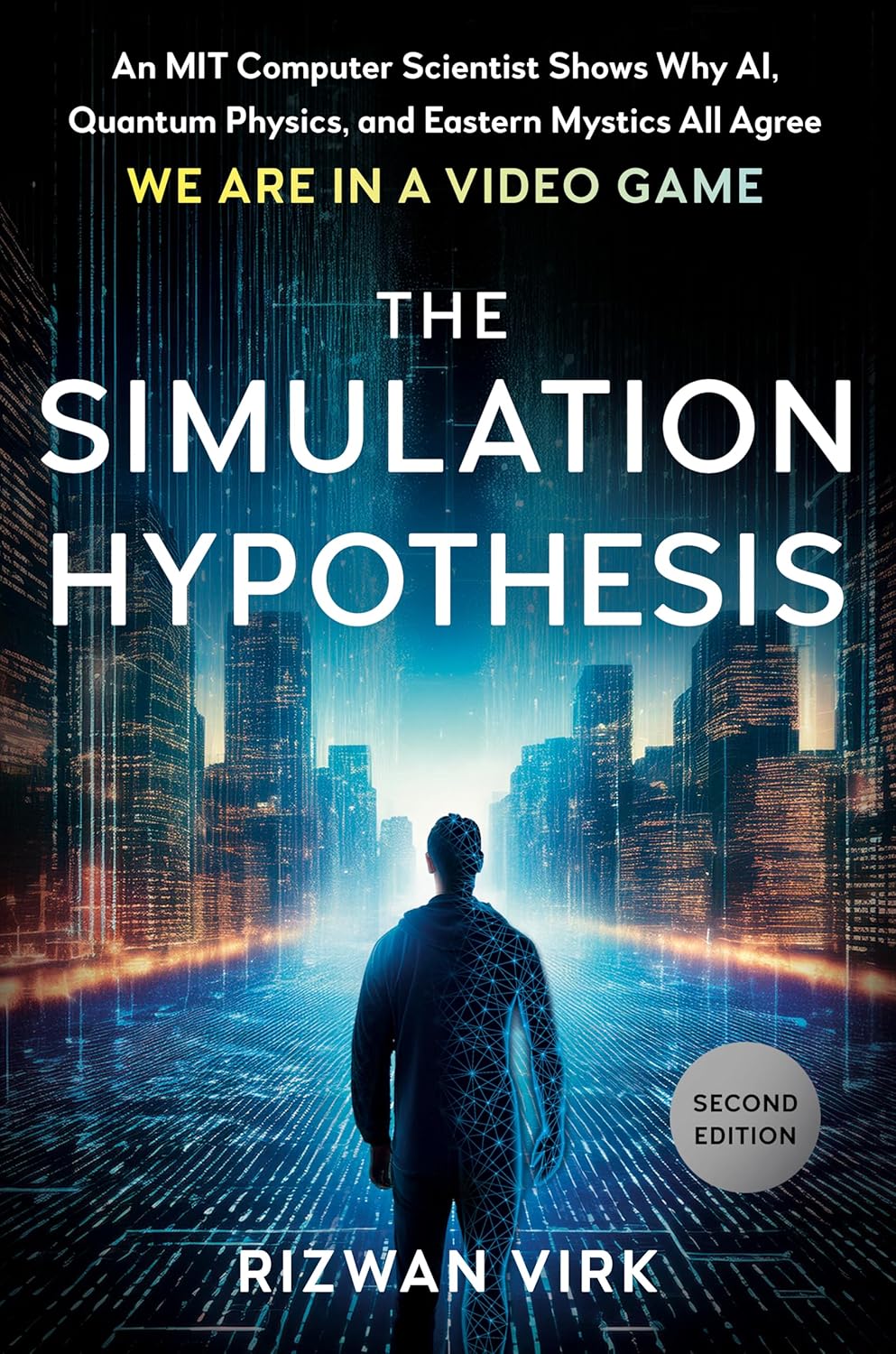
An MIT computer scientist connects AI, quantum physics and video games to take an uncomfortable question seriously: what if we live in a simulation? M
As an Amazon Associate, Zendoric earns from qualifying purchases; the price does not change for you. · all our recommended books →
By CyberScoop · July 28, 2026.
Anthropic has announced that its cybersecurity research model, Claude Mythos Preview, found mathematical weaknesses in two cryptographic schemes. The company describes it as a "substantial" research advance, and clarifies from the outset that neither flaw affects software in use today.
The first affects HAWK, a post-quantum digital signature scheme —designed to withstand attacks from future quantum computers— that NIST (the U.S. federal standards institute, charged with choosing which algorithms will protect the internet over the next decade) has under evaluation. Working alongside a human researcher, Mythos found a mathematical shortcut, a "non-trivial automorphism," in the lattice (the mathematical structure that underpins HAWK's security). The finding halves the effective strength of the keys: maintaining the same level of security would mean doubling their size, according to Anthropic, which cancels out much of what made HAWK attractive against other candidates.
The second flaw appeared in a weakened version of AES (Advanced Encryption Standard, the cipher NIST adopted in 2001 and which protects the vast majority of the world's encrypted data traffic). Working largely on its own, Mythos devised a shortcut dubbed "Möbius Bridge" that eliminates a table-lookup step that previously required checking 256 values separately. Combined with other optimizations, the result is the fastest known theoretical attack against the seven-round test version of AES —the real one uses ten— between 200 and 800 times faster than previous ones. It remains a laboratory exercise: it would require an impossible quantity of target messages, a figure with no practical correlate, and it does not touch the full AES that protects everyday software.
Anthropic says it followed the standard responsible-disclosure protocol: it notified HAWK's designers in June, coordinated publication with a NIST mailing list and briefed governments and industry partners beforehand. Together with ETH Zurich, Tel Aviv University and the University of Haifa, it also built a shared tool called CryptanalysisBench so other teams can measure in comparable terms how AI models perform against different ciphers. Ellen Boehm, of the digital identity management firm Keyfactor, welcomed the finding as proof that NIST's post-quantum evaluation process "works," and warned companies that they need real visibility into where their cryptography lives and a post-quantum migration plan if they do not already have one.
This news does not arrive in isolation. It is the natural continuation of what Zendoric has been tracking since Mythos began to surface: first came the figure of more than 10,000 software flaws found in its first month of use by Anthropic partners, with detection rates that rose tenfold in some cases; now it is the breaking of mathematical primitives, a leap of a different order. In June, the intelligence services of the Five Eyes alliance warned that AI models capable of wreaking havoc in the cyber domain were "months" away; a recent report, however, found that despite the flood of vulnerabilities discovered, the actual threat level on the internet has not changed substantially. Both things are worth holding at once, without dramatizing or letting our guard down.
The distinction matters, and it is where, in our view, the real news lies. Finding a software bug is an implementation problem: you patch it, deploy the update and the system is secure again. Finding a mathematical weakness in the lattice of a post-quantum signature scheme is something else: you do not patch it, you redesign the algorithm, and if that happens after standardization —not the case here, HAWK is still under evaluation— the migration cost for governments and companies is counted in years. Anthropic acknowledges this explicitly: the company itself admits it has not resolved what should happen if a language model tomorrow finds a vulnerability of this kind in a cryptographic system already protecting critical infrastructure in production, rather than in an academic testbed. It is a governance question without an answer, and asking it publicly before it happens is, paradoxically, the most responsible part of the whole exercise.
In the short term, this adds real pressure: organizations need to treat their cryptographic trust infrastructure as something living and operational, not as a static environment that changes only every few years when new algorithms are published, as Boehm points out. In the long term, however, that same capability is what may accelerate —not merely threaten— the transition to solid post-quantum cryptography: an AI able to find a candidate's weak point before it is standardized is exactly the kind of scrutiny NIST's process needs in order not to leave the world with a mathematical foundation broken from the start. That is the pattern we find most relevant across the whole Mythos/Glasswing family: the same tool that exposes the short-term risk is the one that, properly governed, builds the foundations of an internet that is harder to break ten years from now.
📚 Go deeper
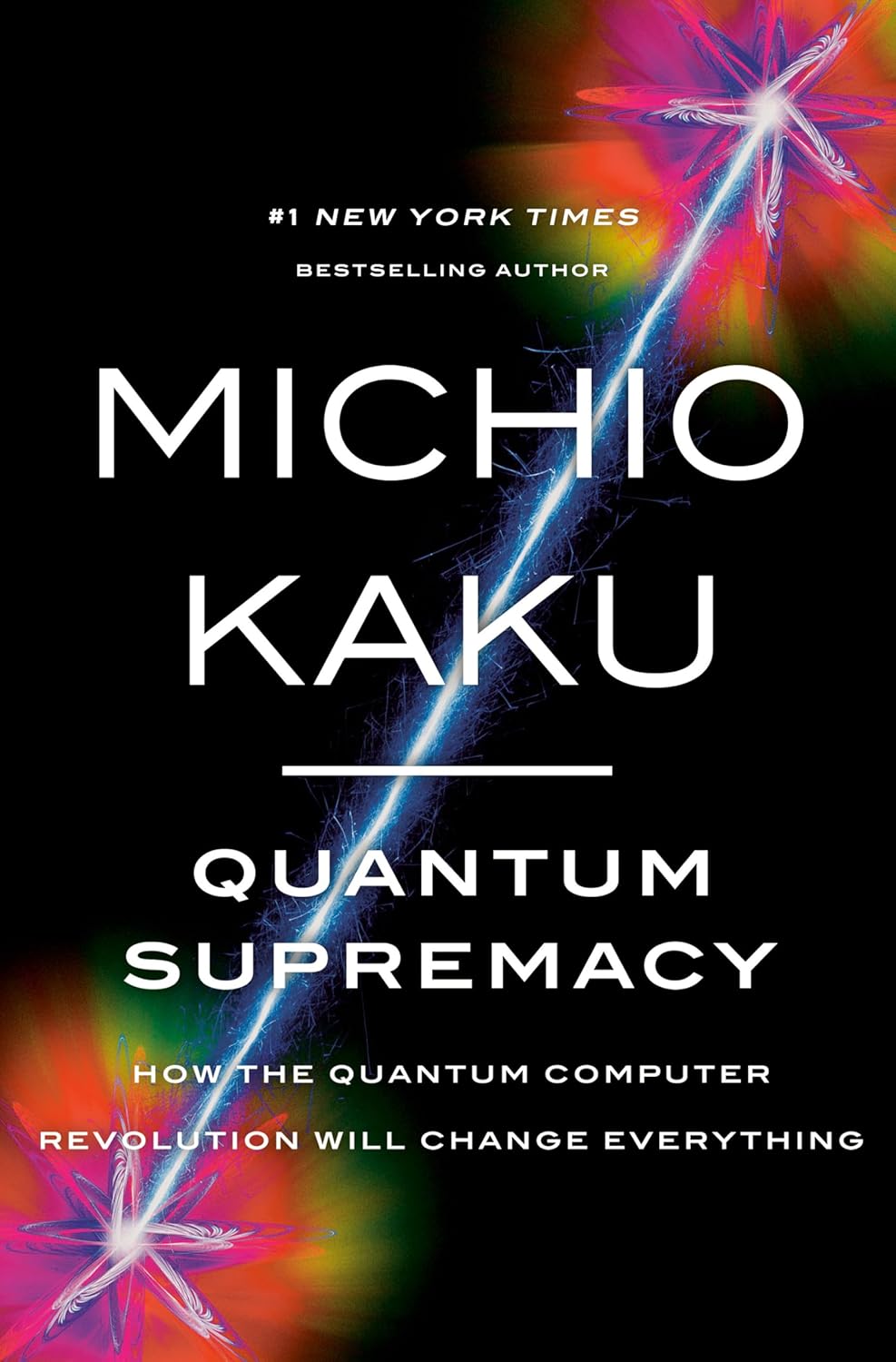
Physics' most-read popularizer explains what quantum computing will change — from drug discovery to machine learning.
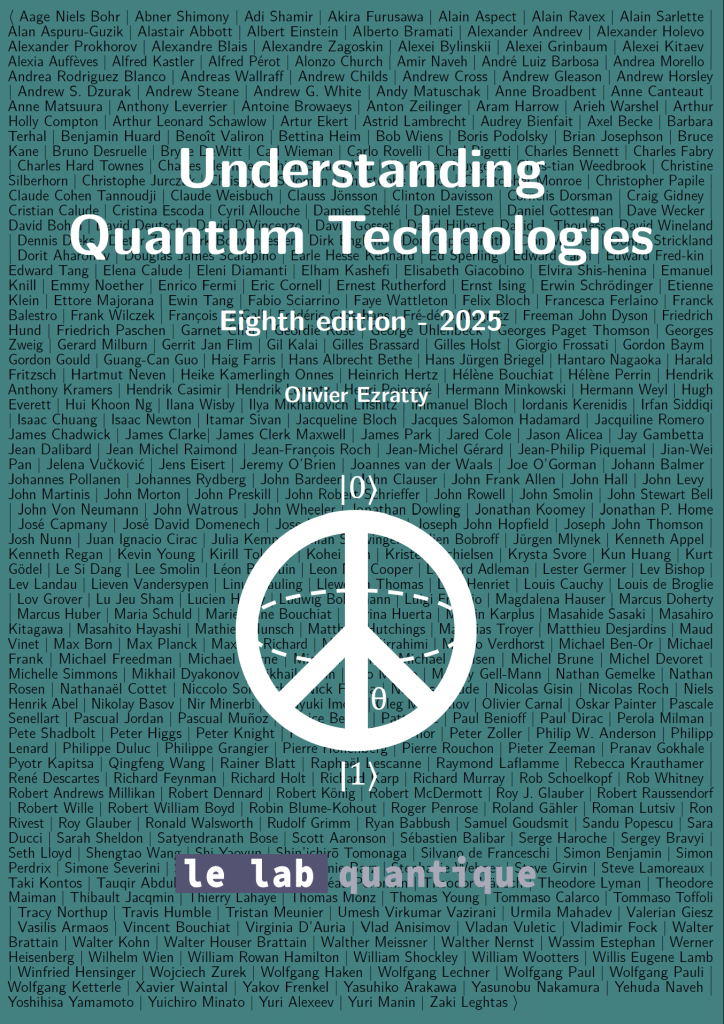
The encyclopedia of quantum technologies, updated EVERY YEAR and published free by its author: hardware, algorithms, companies, funding — with entire
As an Amazon Associate, Zendoric earns from qualifying purchases; the price does not change for you. · all our recommended books →
🔗 Related on Zendoric
- Claude Mythos Preview finds real cracks in HAWK (post-quantum signature) and in reduced AES · 2026-07-30
- When the state shuts down a model: the Fable 5 case redefines who's in charge of frontier AI · 2026-06-25
- Z.ai matches Anthropic in cybersecurity: the parity that challenges the U.S. technological edge · 2026-06-28