Anthropic explored buying robotics startup Physical Intelligence: the race for the physical world has already begun

🕒 Published on Zendoric: July 29, 2026 · 00:34
✨ AI-generated · how it's made
A viral rumor on X claimed Anthropic was buying robotics startup Physical Intelligence. Its CEO denied it with a gif, but there were real conversations this spring, according to The Information. The awkward detail: OpenAI is also a shareholder in the company its rival wanted to buy.
📚 Go deeper
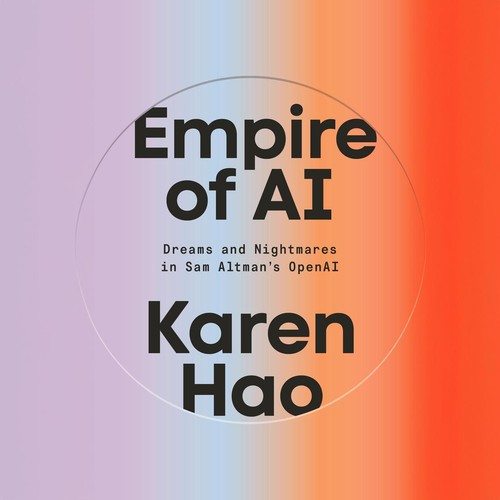
The definitive piece of investigative journalism on OpenAI: 260+ interviews, the clash between safety and speed, and the attempted firing of Sam Altma
As an Amazon Associate, Zendoric earns from qualifying purchases; the price does not change for you. · all our recommended books →
By Zendoric · July 29, 2026.
Last weekend, blogger Robert Scoble posted on X that Anthropic was buying Physical Intelligence, one of Silicon Valley's most closely watched robotics startups. The reaction was immediate and out of all proportion for what was, in theory, only a rumor. Its CEO, Karol Hausman, denied it to employees over Slack with a gif of a character from "The Office" shaking his head. Not another word.
As The Information has been able to confirm, the rumor was not entirely false: Anthropic and Physical Intelligence did hold acquisition talks this spring. Where those talks ended is not spelled out, but they happened. Scoble got the details wrong, not the substance.
Physical Intelligence is no ordinary startup. Founded two years ago in San Francisco by investor Lachy Groom alongside former Google researchers and Stanford and Berkeley professors, it has raised more than $1 billion and, according to earlier reports, was negotiating another $1 billion round this year at an $11 billion valuation. Its π0.5 model is, according to the original article, one of the most widely used robot "brains" in the sector's research.
Buying startups is nothing new for Anthropic: it has closed four acquisitions this year, though that is well short of the more than 17 OpenAI has added since 2023. Both companies are also deep in preparations to go public — Anthropic filed its confidential IPO paperwork (initial public offering, the process that precedes a stock market listing) on June 1, OpenAI a week later — in what could become two of the largest market debuts in U.S. history.
The underlying question is not one of mergers and acquisitions but of technical strategy: why robotics, and why now? The most plausible answer is that understanding the physical world —causality, gravity, friction, everything no corpus of internet text teaches well— has come to be seen as a requirement, not an extra, for reaching truly superintelligent systems.
OpenAI has already been through this cycle. It built a robotic hand capable of solving a Rubik's Cube, shut down its entire robotics team in 2021 —co-founder Wojciech Zaremba later acknowledged that they were missing key pieces for superintelligence—, quietly revived it in 2024 and made it official in May, when Sam Altman announced "OpenAI Robotics": robots for infrastructure in the short term, a personal robot for every person as the ultimate horizon.
Anthropic has no equivalent hardware lab. What it does have is an internal research program focused on testing the limits of its models for safety reasons. In November it published the results of "Project Fetch," which measured how much Claude could help someone with no experience program a robot dog; in June it repeated the experiment and, according to Anthropic itself, a more recent model completed the same tasks some 20 times faster than the best human-plus-Claude team of the previous year. Buying a team with real robotics experience would save it years of development from scratch.
Here is where the rumor gets most uncomfortable. Physical Intelligence's early investors include Khosla Ventures and Thrive Capital —the same funds that backed OpenAI— and Founders Fund, also an OpenAI shareholder, reportedly took part in the talks over the latest round. But the detail that really changes the frame is another: OpenAI is, directly, an investor in Physical Intelligence. That raises the question of whether its stake came with information rights or a right of first refusal over a sale to a competitor —standard clauses that strategic investors negotiate precisely to avoid this scenario. Put another way: if Physical Intelligence ends up in anyone's hands, OpenAI —already a shareholder, already close to Groom, already fully committed to its own robotics push— has, on paper, as much of a case to take it as Anthropic does, if not more. Asked by TechCrunch, OpenAI did not respond.
Our reading: beyond who finally ends up with Physical Intelligence —if anyone does— the episode confirms that competition among the major labs has added a new front. For the past few years the race was fought on language and reasoning benchmarks; now it is also fought over who first gets a model to understand and manipulate the physical world. It is the same logic we already saw in the fight to control the infrastructure where AI agents operate: the most capable model stops being enough if someone else controls the substrate, whether software or, now, a body.
In the long run this fits the underlying thesis we defend at Zendoric: a robot that understands the physical world is, ultimately, a vehicle for automating routine manual labor and freeing up human time for what really matters —care, creativity, judgment. Robotics applied to logistics, manufacturing or infrastructure maintenance is, literally, a step toward the material abundance we consider the reasonable horizon for this technology. But the short term is more prosaic and also more honest: an acquisition race among a handful of labs with almost unlimited capital, in which startups like Physical Intelligence risk being absorbed —or discarded— not on their technical merits but on who reached the negotiating table first. With two potentially historic IPOs on the horizon, that surplus capital is not going to stop looking for the missing piece to buy.
📚 Go deeper
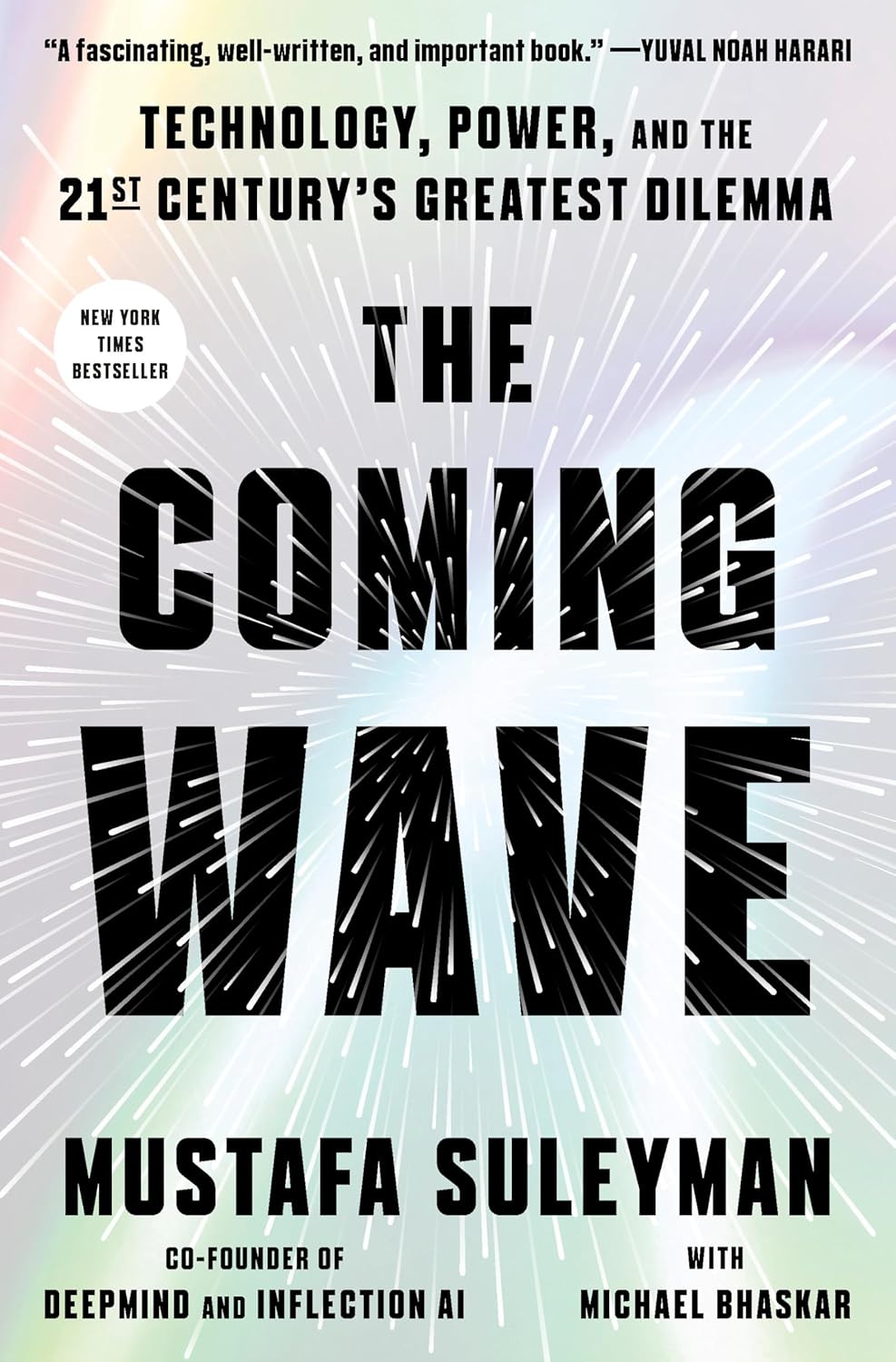
DeepMind co-founder on the dilemma of containing technologies that do not want to be contained.
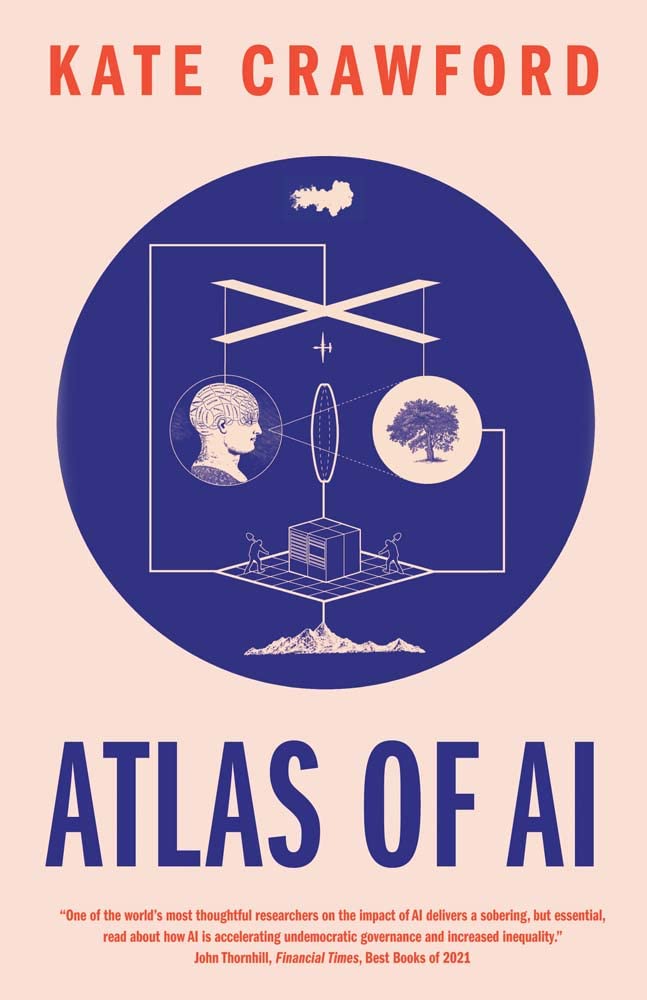
AI as an extractive industry: the lithium, the energy, the underpaid data-labeling work and the bodies behind the cloud.
As an Amazon Associate, Zendoric earns from qualifying purchases; the price does not change for you. · all our recommended books →
🔗 Related on Zendoric
- Anthropic pays $40 billion to its biggest rival's infrastructure: the paradox of renting the ground from Musk · 2026-07-10
- Jensen Huang says AGI is already here: the man selling the machines also sells the story · 2026-09-07
- OpenAI tests sponsored sales agents in ChatGPT as its ad business already nears $1 billion a year · 2026-09-17