From SaaS to 'personal software': a developer turns his Mac mini into a factory for custom AI-built apps

🕒 Published on Zendoric: July 29, 2026 · 00:34
✨ AI-generated · how it's made
Developer Mete Polat turned his Mac mini into a personal server running nine apps built to order by AI agents (Hermes, Claude Code, Codex), from a family calendar to a blackjack tutor. His account is an extreme case of where software could escape the SaaS model.
📚 Go deeper
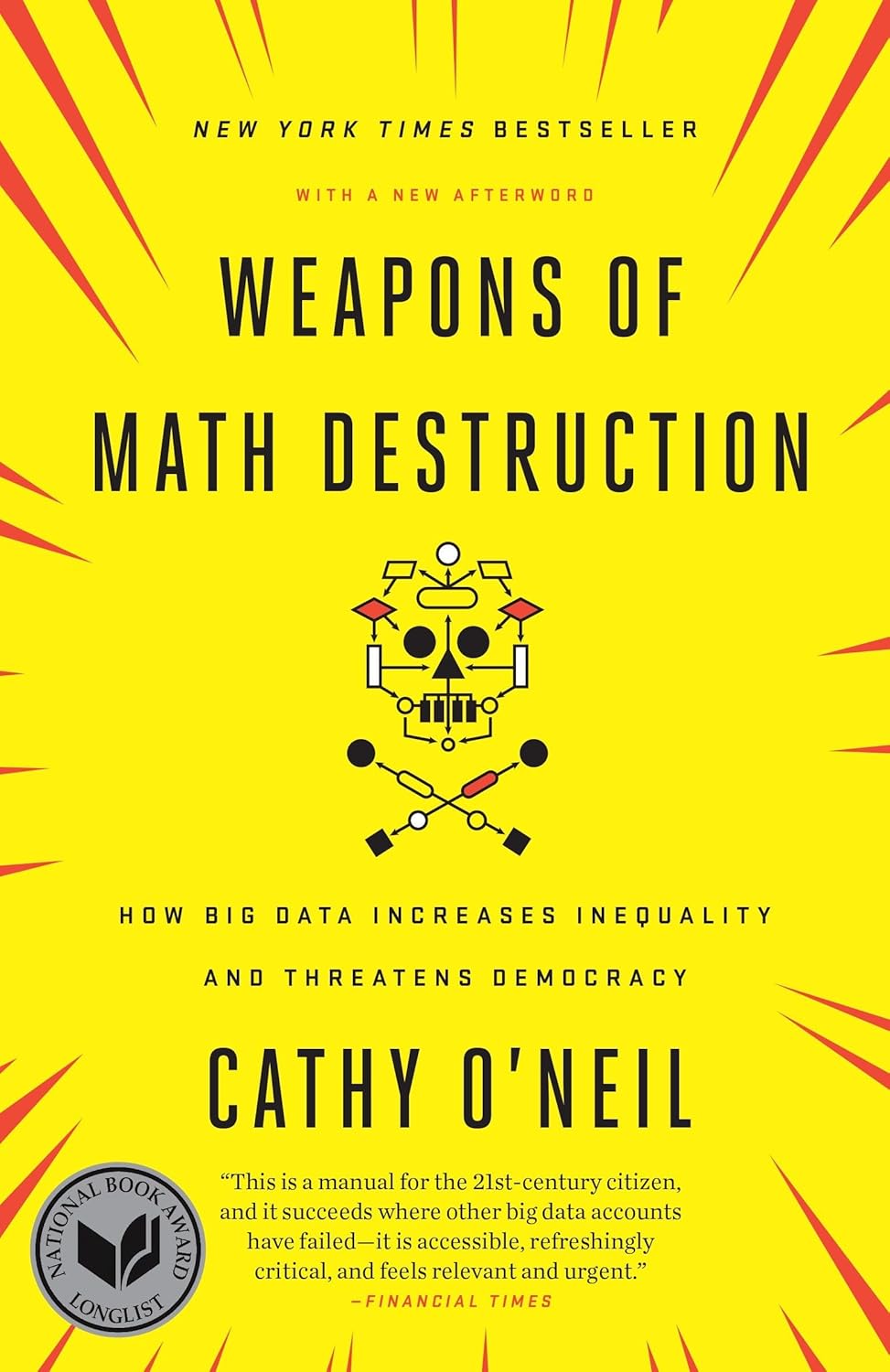
How opaque algorithms decide who gets credit, a job or parole — and why they tend to punish the same people.
As an Amazon Associate, Zendoric earns from qualifying purchases; the price does not change for you. · all our recommended books →
By Zendoric · July 29, 2026.
Mete Polat, author of the Metedata newsletter on Substack, has described in detail how he turned a home Mac mini into a personal server hosting nine custom applications, all generated by AI agents and gathered on a web page of his own -his "home"- protected by a login and accessible from any device. Among the apps: a fitness coach, a family calendar to coordinate his wife's shifts (a pilot, working two weeks on and two weeks off), a wishlist manager with price tracking, a blackjack tutor for a trip to Las Vegas and a Turkish reader with translation and vocabulary review synced to Anki.
The process, as the author describes it: he requests the apps by voice or text from Hermes, an agent of his own that lives on the Mac mini and handles his recurring tasks (cron jobs, Obsidian notes, MCPs); Hermes delegates the more complex development to Claude Code -running the Fable 5 model- and uses Codex CLI as a "second opinion" to review the code. Each app shares the same stack (Vite, React, TypeScript, Tailwind, shadcn/ui) to keep a consistent look, and is exposed to the internet via Cloudflare Tunnel -without opening ports at home-, protected by Cloudflare Access (Zero Trust authentication tied to his email), with Tailscale for SSH-style remote access and Docker (via OrbStack) to isolate each application in its own container.
It is worth putting the case in perspective: this is the personal account of a tinkerer, not a product launch or a funding round; on Hacker News it barely picked up two points and no comments. But the pattern it describes -Polat calls it the shift from "software-as-a-service" to "software-as-a-self-service"- has been accumulating similar anecdotes in developer forums for months: instead of paying for a SaaS subscription that solves, in his own words, 70% of what you need, you ask an agent to build the exact application, host it yourself and let the agent maintain and modify it on demand.
This matters because it points to a category of software that barely exists as a market today: the single-user, custom-made app that would never be sold as a product because the target audience is exactly one person. Polat himself is honest about the limits: nobody is going to vibe-code their own Salesforce or Stripe over the long run -the complexity, support and reliability of a mission-critical product still require a company behind it- but "everything in between is in play," in his words. It is a low-intensity but constant threat to niche vertical SaaS: task managers, habit trackers, specific calculators, all the software paid for by the month today that an agent can replicate in an afternoon.
In the short term, though, this remains enthusiast territory. Setting up Cloudflare Tunnel, Docker Compose, Tailscale and a Zero Trust login demands a technical fluency the vast majority of users neither have nor want to acquire; the author himself admits the setup took him months of trial and error (in fact, he now offers a template with the entire setup, also available through the paid subscription, to shorten that process). And there is an implicit fragility in depending on a dozen different applications, each maintained by an agent, with no guarantees of continuity, audited security or standardized backups: it is software made for yourself, with all the risks of that "yourself" also being the only technical support team.
In the long term, however, experiments of this kind are the advance guard of something deeper, in line with the thesis that AI can generate abundance. If creating a working application stops costing weeks of development and starts costing a voice note, software ceases to be a scarce good that has to be rationed between "what I need" and "what I can afford": it becomes a resource anyone can generate on demand, tailored exactly to their life, without depending on a market large enough to justify the product. Polat himself anticipates that packaged, accessible versions of this same concept will arrive, though probably more restrictive, more expensive and behind in capability compared with what only tinkerers build today. The relevant question is not whether personal software will go mainstream, but how long the convenient, supervised version will take to catch up with the free, self-hosted one that only a few dare to set up today.
📚 Go deeper
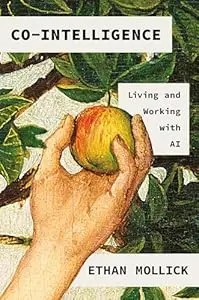
The best starting book if you're not technical: a Wharton professor explains how to work WITH AI — when to delegate, when to supervise, when to keep i
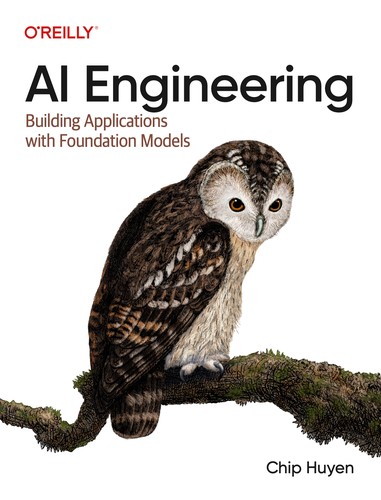
The reference manual for building products on top of AI models: prompts, RAG, fine-tuning, agents, evaluation and deployment.
As an Amazon Associate, Zendoric earns from qualifying purchases; the price does not change for you. · all our recommended books →
🔗 Related on Zendoric
- Oracle connects AI to its cloud policies: the battle is no longer the model, it's the plumbing · 2026-07-08
- Claude's leaked share links are a plumbing failure, not a model failure — and that's the harder bug to fix · 2026-07-26
- A homemade proxy for mixing models in t3's Codex and Claude tabs, a symptom of LLM commoditization · 2026-09-03