Visa cuts 2,600 jobs mostly in product and tech — the memo says "efficiency," the headlines say AI
🕒 Published on Zendoric: July 28, 2026 · 00:38
✨ AI-generated · how it's made
Visa confirmed it is preparing to cut about 2,600 roles — roughly 7% of its workforce — hitting product and technology teams hardest. The CEO memo talks about efficiency and reinvestment, not automation. That gap between what was written and what is being read into it is the story worth watching.
📚 Go deeper
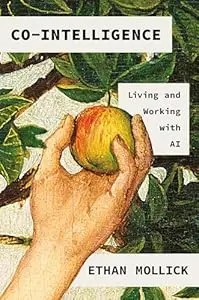
The best starting book if you're not technical: a Wharton professor explains how to work WITH AI — when to delegate, when to supervise, when to keep i
As an Amazon Associate, Zendoric earns from qualifying purchases; the price does not change for you. · all our recommended books →
Visa is preparing to lay off about 2,600 people, roughly 7% of its approximately 34,000-strong workforce, the company confirmed to Fast Company. Bloomberg first reported the plan, which was disclosed internally through a memo from CEO Ryan McInerney. Visa also confirmed to Fast Company that the quoted excerpts of that memo are accurate. According to the memo, the cuts will primarily affect the company's product and technology teams — not the back office.
The language matters. McInerney wrote that he has a "deep conviction that we are doing what is right for Visa, our clients and our partners as we continue to focus on driving efficiency across the company in order to reinvest in our highest potential opportunities." That is a reinvestment argument, not an automation argument. Fast Company frames the decision in the context of Visa focusing more on AI-driven efficiency gains, and Bloomberg reports the savings will be redirected into commercial and money-movement solutions, consumer payments, and value-added services including stablecoins — dollar-pegged crypto tokens designed to move value between parties without the traditional card rails. Nowhere in the quoted memo does the CEO name AI as the reason 2,600 jobs are going away.
Our thesis: this is a capital-reallocation layoff dressed by the press in AI clothing, and both halves of that sentence are true. Visa is not shrinking because software replaced its workers; it is shrinking one part of itself to fund another part, in a market where, as Fast Company notes, smaller and nimbler fintech startups keep chipping at the incumbent's plumbing. Stablecoins are the sharpest version of that threat, because they attack the one thing Visa sells: being the road money travels on. When the incumbent starts funding its own disruption, it pays for it with headcount.
What makes this case genuinely new is the target. We have argued repeatedly in this series that administrative and back-office work is the most exposed layer, while judgment, relationships and physical presence hold up. Visa inverts that: the cut lands on product and technology, the people usually cast as the beneficiaries of the AI build-out. That is consistent with what the data has been telling us elsewhere — Stanford's finding that entry-level software hiring fell around 20% since 2022 pointed the same way. Engineering is not a shelter. Routine engineering is exposed like routine anything else, and the roles that survive are the ones that design systems, govern them and own the risk when they fail.
Be honest about the short term, though. For 2,600 households, "reinvesting in our highest potential opportunities" is a euphemism, and no amount of strategic logic makes it land softly. The pattern we keep seeing in 2026 is companies using an efficiency narrative to move money from mature operations toward AI, agents and new payment rails — a transfer that is rational at the firm level and brutal at the individual level. It is also a governance question: when "efficiency" becomes the standard phrasing, we lose the ability to measure how much of this is actually automation and how much is ordinary strategic pruning. Vague memos make bad policy debates.
Our read: treat this as evidence of where value is migrating, not as proof that AI ate 2,600 jobs. The payments industry is being re-plumbed, and the winners will be whoever controls the rails — the same lesson we drew from the distribution war among model builders. In the long run we still think this direction is the right one: money that moves instantly and nearly free is real abundance, the kind that compounds into cheaper credit, cheaper remittances and cheaper everything downstream. But the transition is being paid for unevenly, and workers inside incumbents are footing part of the bill. The useful question for anyone in tech is not whether their job is safe. It is whether they are on the side of the ledger being funded or the side being harvested.
We will keep tracking this thread. What we want next is the follow-up nobody publishes: how many of those 2,600 roles get refilled with different titles in the same company within a year. That number, not the memo, tells you whether this was automation or reorganization.
📚 Go deeper
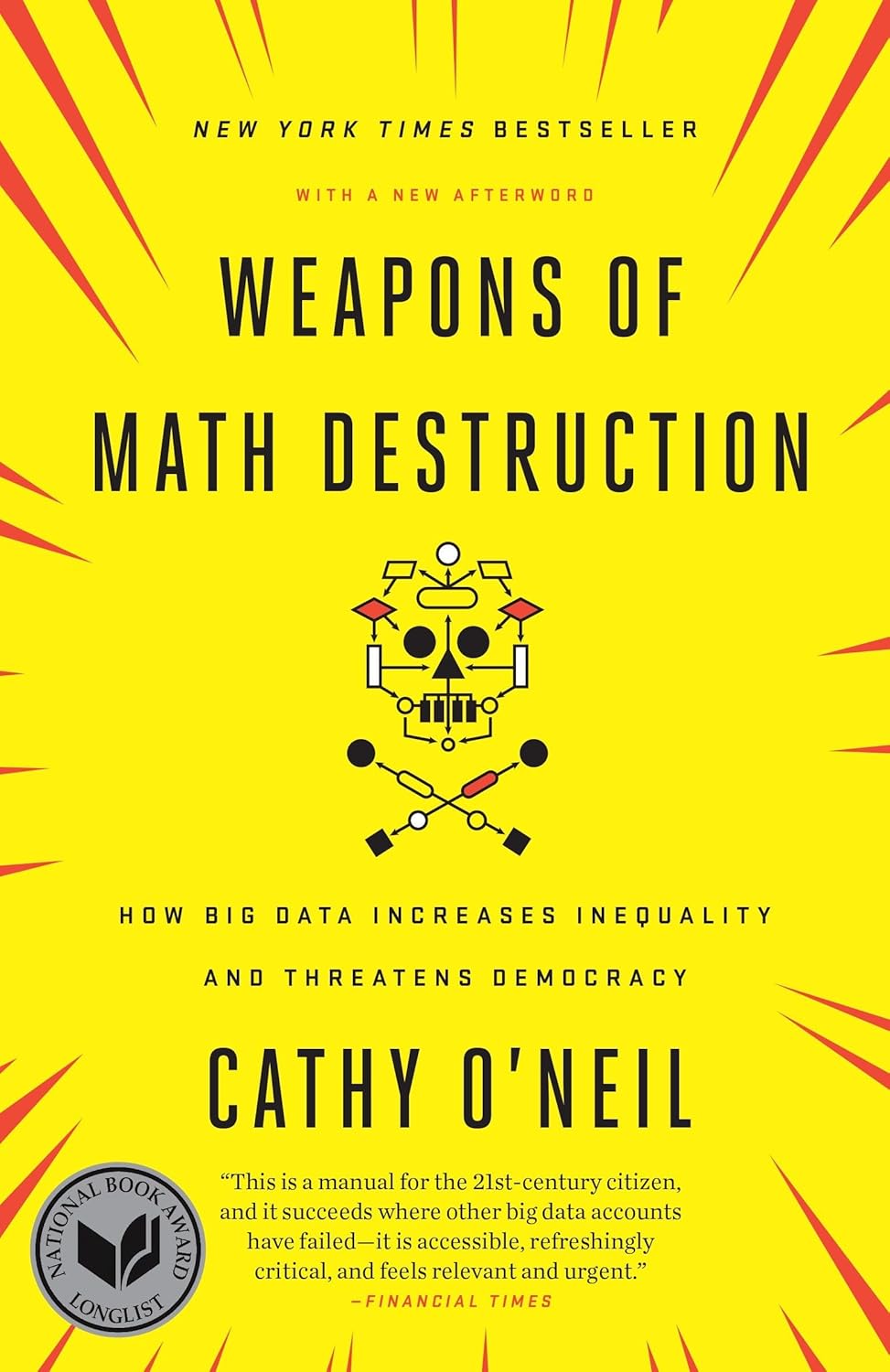
How opaque algorithms decide who gets credit, a job or parole — and why they tend to punish the same people.

The reference manual for building products on top of AI models: prompts, RAG, fine-tuning, agents, evaluation and deployment.
As an Amazon Associate, Zendoric earns from qualifying purchases; the price does not change for you. · all our recommended books →
🔗 Related on Zendoric
- Visa cuts 2,600 jobs in product and tech — and the efficiency story is thinner than the AI headline suggests · 2026-08-31
- Visa cuts 2,600 jobs and calls it efficiency: the AI part is inference, not a quote · 2026-09-03
- Visa cuts 2,600 jobs — and it is product and engineering teams, not the back office, taking the hit · 2026-07-30