Anthropic's $40B compute lease from Musk turns AI safety into a supply-chain clause
🕒 Published on Zendoric: July 28, 2026 · 00:38
✨ AI-generated · how it's made
Anthropic will reportedly pay Elon Musk's xAI/SpaceX $1.25 billion a month through May 2029 — over $40 billion — for exclusive use of the 220,000-GPU Colossus 1 data centre. The detail that matters isn't the price: it's a reported clause letting SpaceX reclaim the machines if Claude is found to harm humanity. Safety, for the first time, would be enforceable by a rival's landlord contract rather than only by a lab's own governance.
📚 Go deeper
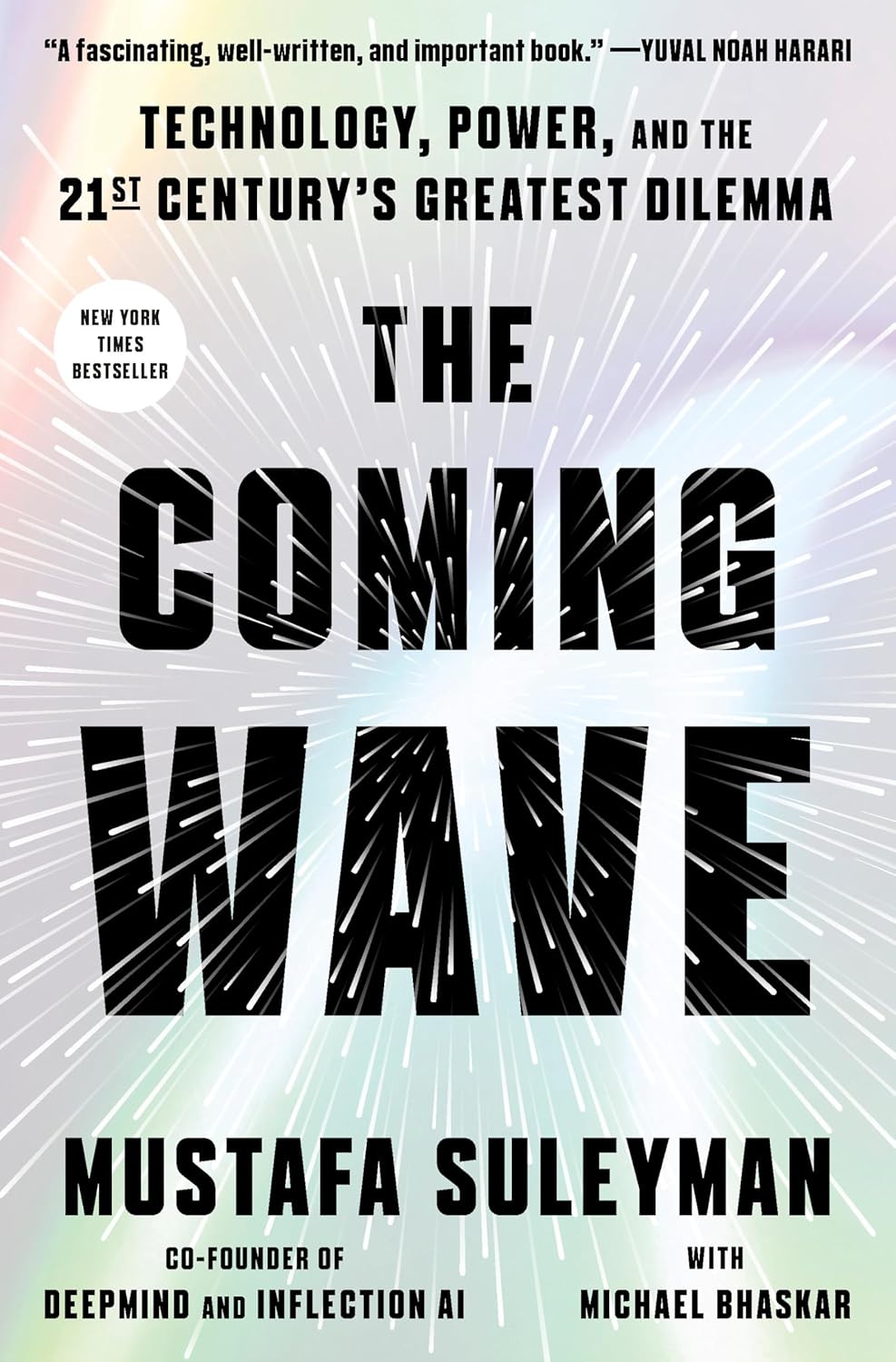
DeepMind co-founder on the dilemma of containing technologies that do not want to be contained.
As an Amazon Associate, Zendoric earns from qualifying purchases; the price does not change for you. · all our recommended books →
The numbers first. Anthropic has agreed to pay Elon Musk's xAI/SpaceX roughly $1.25 billion a month through May 2029 for full access to Colossus 1, the Memphis data centre built out for AI training — more than $40 billion over the term, or about $41 million a day. The facility packs more than 220,000 Nvidia processors drawing 300 megawatts, and Anthropic gets all of it: xAI keeps the larger Colossus 2 for training Grok, so the two labs aren't sharing a queue. The effect is already visible downstream — Anthropic says the extra capacity let it double Claude Code's usage limits and lift peak-hour caps for paying customers.
The clause is the story. Multiple reports describe a provision that would let SpaceX reclaim the compute if Anthropic's models are found to engage in actions that harm humanity. Neither company has jointly confirmed the exact wording or contractual status, and that caveat matters — this is a reported term, not a published one. But if it exists as described, it is a genuinely novel instrument: a lab's safety commitments become enforceable through a competitor's infrastructure contract, not only through its own board, its constitution, or a regulator.
Read it against the backdrop and it gets stranger. Musk has publicly called Anthropic 'woke,' 'misanthropic' and 'evil.' After the deal closed he posted that 'everyone I met was highly competent and cared a great deal about doing the right thing.' Ideological rivalry, it turns out, is cheaper to abandon than 300 megawatts are to build. That is the honest lesson of 2026's compute market: the scarce input is no longer talent or data, it's energised silicon with a grid connection, and whoever has it can dictate terms to people who publicly despise them — and vice versa.
The risks are the ones nobody has priced yet. 'Harms humanity' is not a legal standard; it is a phrase. Who adjudicates it, on what evidence, with what appeal? A vague trigger plus commercial leverage plus a landlord who competes with you in the same market is a governance mechanism with an obvious failure mode — not because anyone must act in bad faith, but because ambiguous clauses get interpreted by whoever holds the switch. And concentration cuts the other way too: a single facility now underwrites a meaningful slice of one frontier lab's roadmap and its paying users' daily limits.
Our read: this is contract law arriving where regulation hasn't, and that is both the good news and the warning. We've argued before that the real contest is over the plumbing — distribution, integration, infrastructure — rather than over which model tops a benchmark, and that export controls turned models into geopolitical assets. This deal extends the pattern one layer down: compute leases are becoming de facto AI policy, written by private parties, enforceable in weeks, with none of the transparency or due process a regulator would owe. We'd rather see the standard published than reported.
And yet the underlying direction stays constructive. Capital at this scale is what turns frontier capability into something ordinary users get — the immediate, unglamorous proof is a doubled usage cap on a coding tool, and the longer arc runs through drug discovery, diagnostics and the cheap, abundant intelligence that eventually makes both routine. The transition will keep looking like this: uncomfortable dependencies, strange bedfellows, governance improvised in private. The task for the next few years isn't to stop the buildout. It's to make sure the rules attached to it are written in public, with definitions specific enough to mean something.
📚 Go deeper
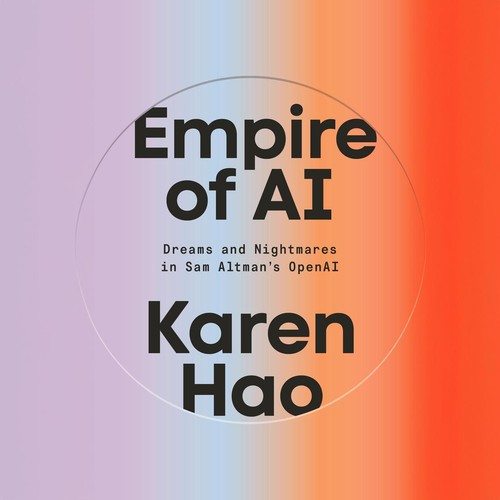
The definitive piece of investigative journalism on OpenAI: 260+ interviews, the clash between safety and speed, and the attempted firing of Sam Altma

AI as the latest chapter in the history of information networks, from gossip to the printing press to the algorithm.
As an Amazon Associate, Zendoric earns from qualifying purchases; the price does not change for you. · all our recommended books →
🔗 Related on Zendoric
- Anthropic's $40B compute lease from Musk turns a safety promise into a rival's contract clause · 2026-09-03
- Anthropic's $40B compute deal makes Musk its landlord — and, reportedly, a check on its own safety · 2026-09-06
- Anthropic will pay Musk $40 billion for compute — and reportedly wrote its own safety pledge into the lease · 2026-07-29