Piyush Goyal reports a deepfake of himself in India: the fraud is cheaper than the rebuttal

🕒 Published on Zendoric: July 27, 2026 · 00:21
✨ AI-generated · how it's made
India's Minister of Commerce and Industry filed a complaint with Delhi police over an AI-manipulated video that he says distorted his remarks to the press. The case, with no public forensic verification, illustrates a problem that is no longer hypothetical: creating a deepfake takes minutes; debunking it, weeks.
📚 Go deeper
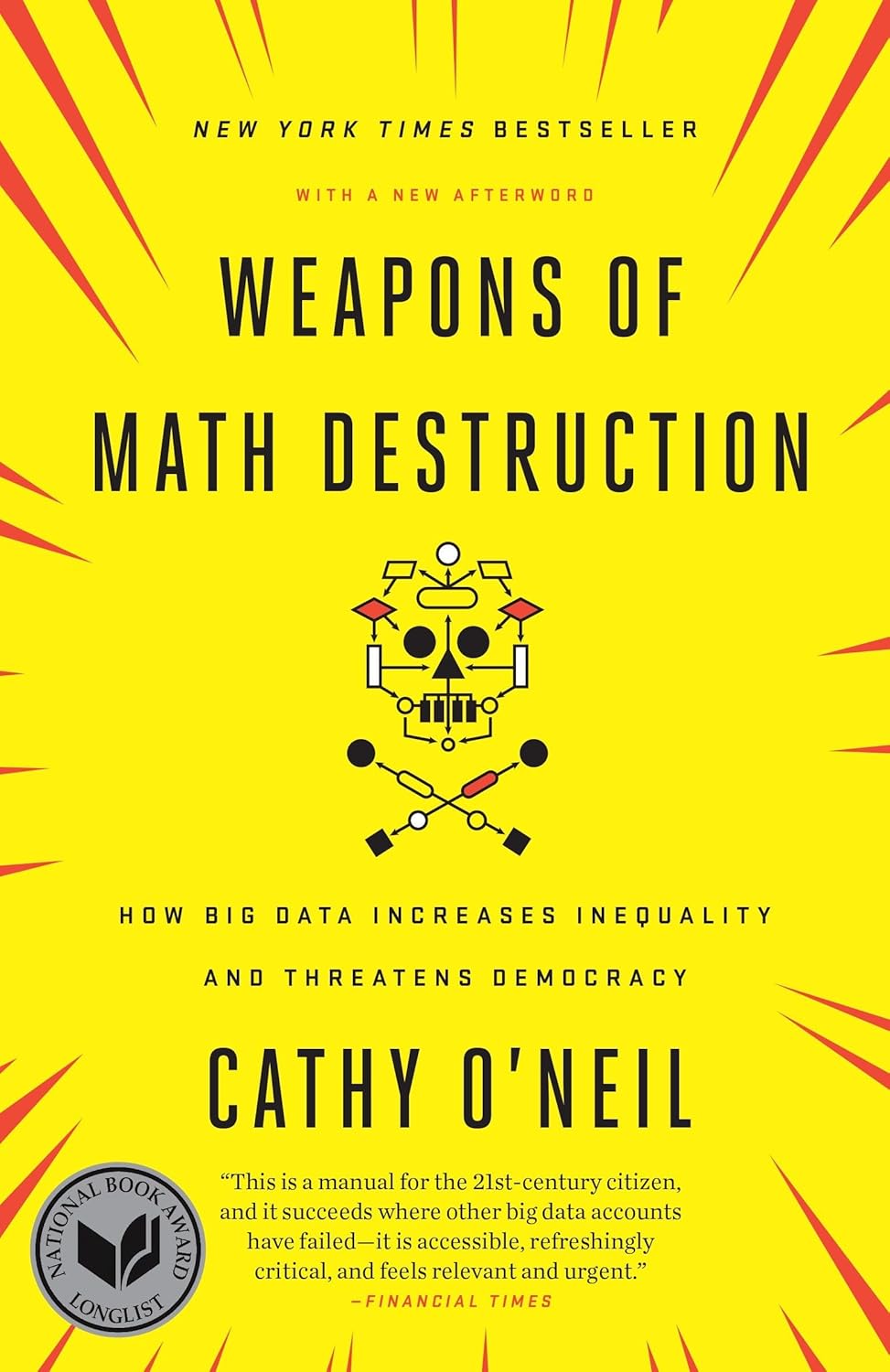
How opaque algorithms decide who gets credit, a job or parole — and why they tend to punish the same people.
As an Amazon Associate, Zendoric earns from qualifying purchases; the price does not change for you. · all our recommended books →
By Zendoric · July 26, 2026.
Piyush Goyal, India's Minister of Commerce and Industry, said that remarks he made to the press as he left Parliament were "maliciously manipulated" with artificial intelligence to fabricate a deepfake video (synthetic audiovisual content that mimics a real person's image or voice) and circulate it for disinformation purposes. According to his own account on social media, he filed a complaint and Delhi police registered an FIR (First Information Report, the document that formally opens an investigation in India) at the Chanakyapuri police station on the morning of July 25.
Goyal warned that he will take legal action against "all those involved" in creating, circulating or amplifying the video, and urged the public to trust only verified sources. That is as far as the verifiable facts go: the statement from News On Air, the news service of Prasar Bharati (India's public broadcaster) that reports the case, does not link to the video, does not detail what the edit said and does not cite an independent forensic analysis confirming the manipulation. Everything we know about the clip's "deepfake" nature comes, for now, from the minister's own word.
Broadly, since the 2024 general elections India has been contending with a wave of political videos manipulated with generative AI, a phenomenon that led the Ministry of Electronics and Information Technology (MeitY) to propose labeling rules for synthetic content. It is fertile ground: a billion smartphone users, WhatsApp as the main distribution channel and an almost permanent electoral calendar across states. Nor is the problem exclusively Indian: more and more public figures, from actors to heads of state, are running into their own image and voice cloned by tools that today cost a monthly subscription and require no technical knowledge.
This case illustrates, better than any report, the asymmetry that defines the deepfake problem in the short term: fabricating a believable fake video takes minutes; proving before a court, or before public opinion, that it is fake can take weeks or never be settled at all. That time gap is the real risk, more than the technical sophistication of the edit itself. And it feeds a perverse effect that disinformation research has already dubbed the "liar's dividend": when anyone can credibly claim that an authentic video is an AI creation, the erosion of trust in audiovisual evidence benefits whoever is lying, whether or not the minister himself is right in this episode.
At Zendoric we have been insisting that the real, short-term cost of generative AI does not stop at jobs: it includes the erosion of shared confidence about what is real, and that has to be named without qualification. As long as forensic detection and provenance labeling — watermarks, content provenance standards — are not as accessible and fast as the generation tools themselves, whoever accuses first controls the narrative, with or without evidence. The response cannot be only criminal or only technical: governments, platforms and model builders share the responsibility of closing that gap before it decides an election, in India or in any other country. The same technology that makes it possible to fabricate the deception is, in the medium term, the one that can make the tools to debunk it cheaper and universal at the same speed; that race will decide whether AI ends up eroding public trust or, with the right safeguards, shielding it.
📚 Go deeper
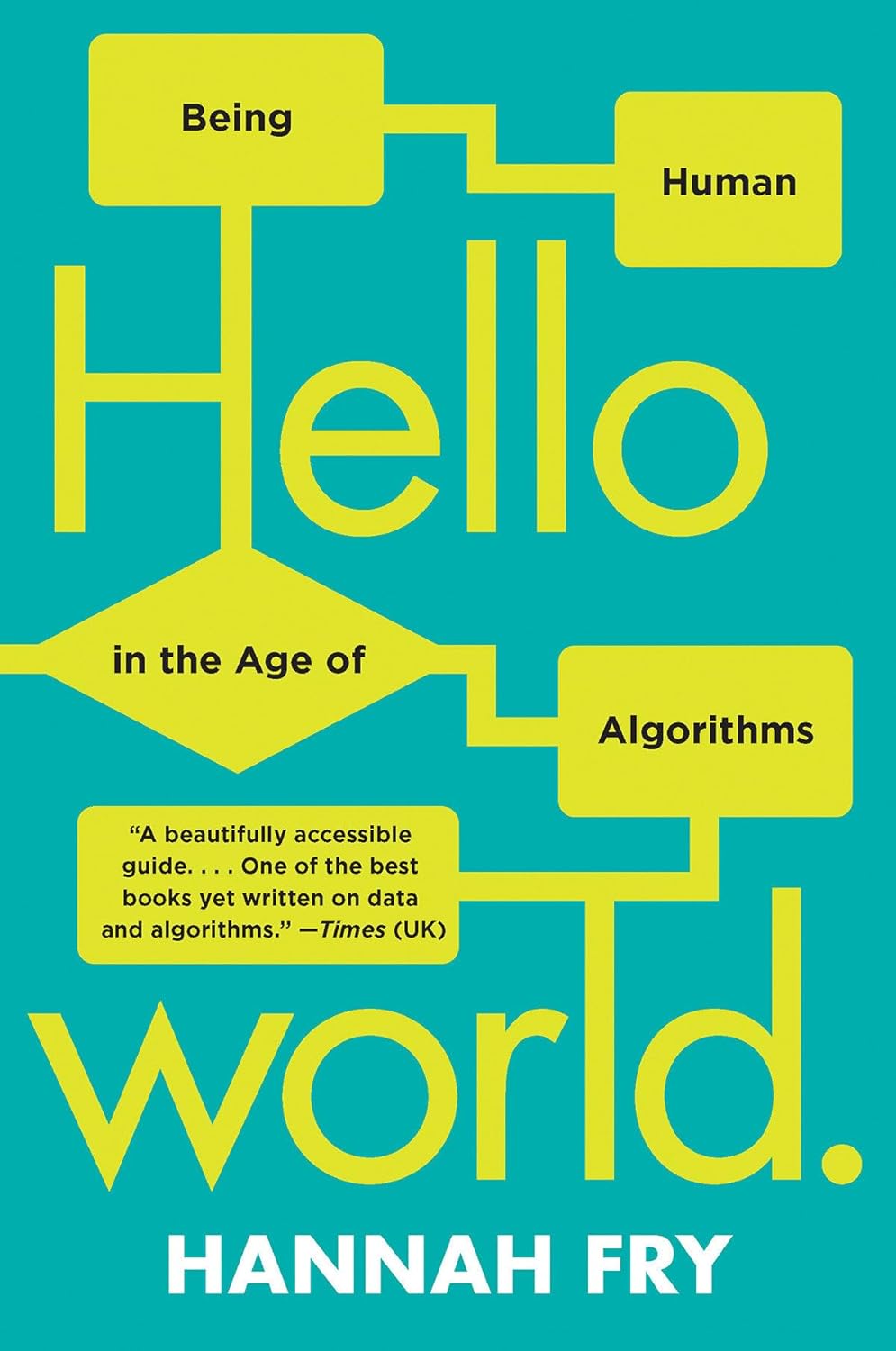
Algorithms in justice, medicine, cars and art, explained with British humor and mathematical honesty.
The best starting book if you're not technical: a Wharton professor explains how to work WITH AI — when to delegate, when to supervise, when to keep i
As an Amazon Associate, Zendoric earns from qualifying purchases; the price does not change for you. · all our recommended books →
🔗 Related on Zendoric
- Cloning a voice no longer takes hours of recording: why older adults are the easy target for fraudulent AI · 2026-07-02
- Deepfakes of a congressional candidate in Wisconsin reopen the debate on AI and elections in the US · 2026-09-09
- An Indian lawmaker reports a voice deepfake showing him talking about 'commissions': AI political disinformation reaches Maharashtra · 2026-06-29