When AI layoffs boomerang: firing first and automating later is a management failure, not an AI one

🕒 Published on Zendoric: July 27, 2026 · 00:21
✨ AI-generated · how it's made
Forbes asks whether employers bet too much on the AI boom, arguing that AI-justified layoffs are backfiring. We only have the framing — the full piece wasn't retrievable — but the question is the right one: the failure mode here is corporate impatience, not model capability.
📚 Go deeper
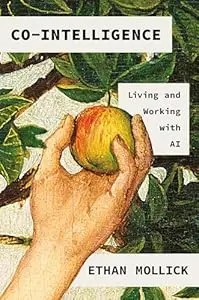
The best starting book if you're not technical: a Wharton professor explains how to work WITH AI — when to delegate, when to supervise, when to keep i
As an Amazon Associate, Zendoric earns from qualifying purchases; the price does not change for you. · all our recommended books →
The fact on the table is narrow: a Forbes headline argues that layoffs justified by artificial intelligence are backfiring, and asks whether employers over-committed to the AI boom. We were not able to retrieve the body of that article, so we will not cite figures, companies or cases it may contain. What we can do is comment on the claim itself — and it deserves comment, because it names a pattern we have been tracking for months.
Our thesis: when an AI-driven layoff backfires, the thing that failed is almost never the model. It is the sequencing. Cutting headcount is a decision that lands in a single quarter; making an AI system reliable enough to absorb that work is a project measured in quarters plural. Companies that fire first and integrate later are not being disrupted by technology, they are financing a bet with other people's jobs and then discovering that the tooling, the data plumbing and the human review layer were never in place. The predictable result is rehiring, contractor spend, or quality complaints from customers — the "boomerang" the headline points at.
There is also an incentive problem hiding inside the language. "AI efficiency" has become the most flattering available explanation for a cost cut. It reads as strategy to investors, where "we over-hired in 2021" and "demand softened" read as error. That makes AI-attributed layoffs a noisy signal about actual automation: some are genuine substitution, some are ordinary belt-tightening wearing a better story. Any honest analysis of AI's labour impact has to separate the two, and headline counts alone cannot.
None of this contradicts the underlying displacement. Our own sector-by-sector reading has been consistent: routine back-office, administrative and document-heavy work is genuinely exposed, while judgment, client relationships and physical presence hold up far better. The shift is real and it is unevenly distributed. But "this task is automatable in principle" and "my organisation can run it without the person who used to do it" are different statements, separated by integration work most firms have barely started.
Our read: this is what a transition looks like from the inside — overshoot, correction, and a lot of avoidable human cost in between. The long-term direction we still believe in is abundance: systems that compress disease research, expand healthcare capacity and eventually let more people work on what they actually care about. That destination does not excuse the short-term management malpractice of cutting staff against capability you have not yet demonstrated. The practical test for any leadership team claiming AI-driven savings is boring and verifiable: show the deployed workflow, the error rate, and who reviews the output. If those three answers do not exist, the layoff was a budget decision, and the AI story is marketing.
📚 Go deeper
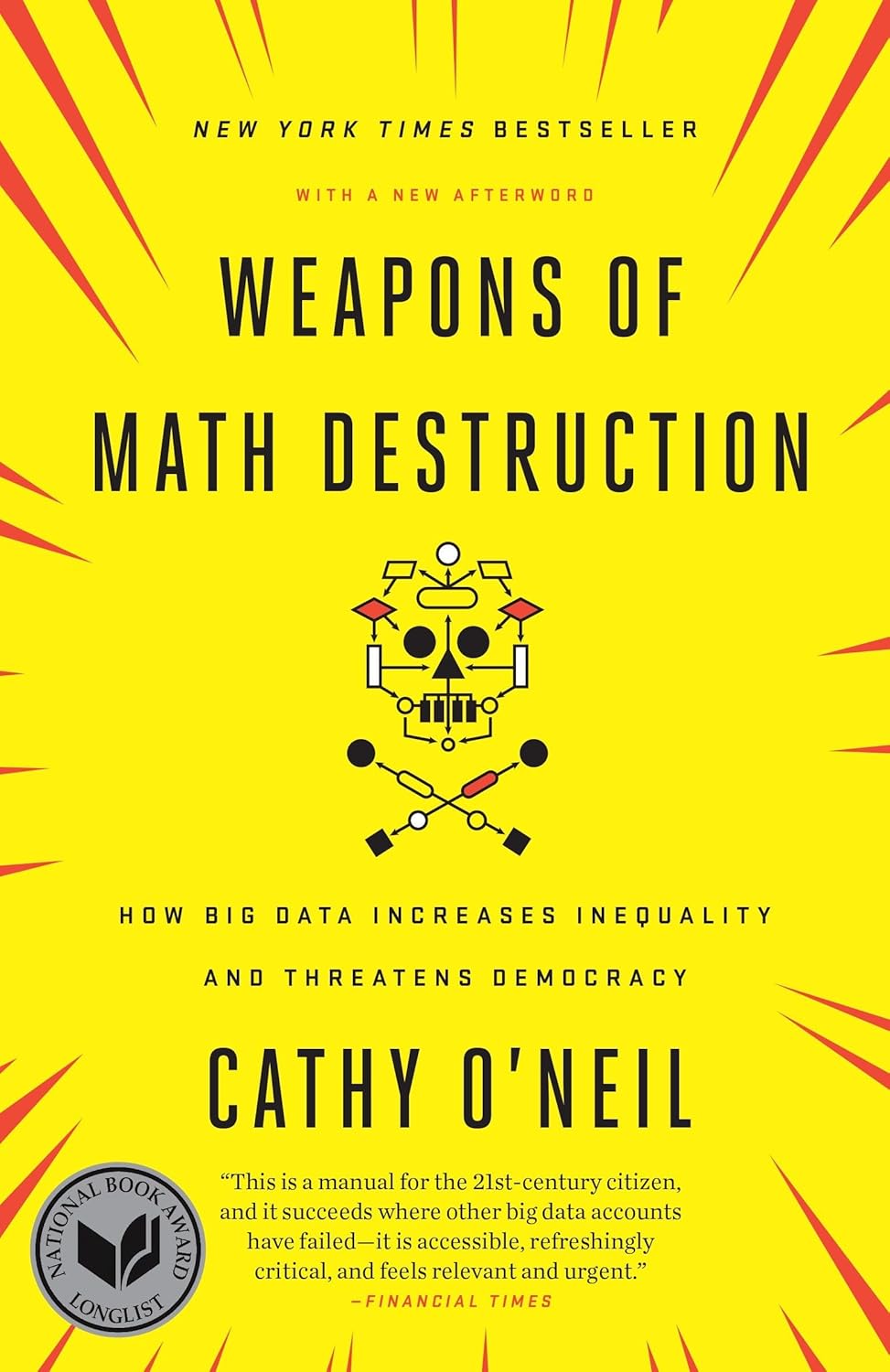
How opaque algorithms decide who gets credit, a job or parole — and why they tend to punish the same people.
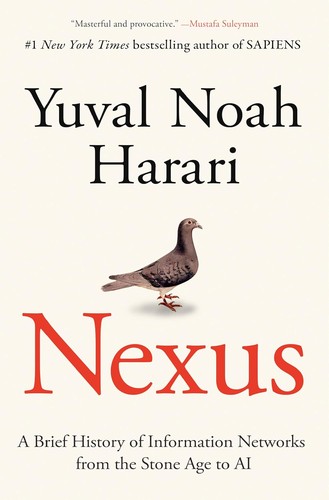
AI as the latest chapter in the history of information networks, from gossip to the printing press to the algorithm.
As an Amazon Associate, Zendoric earns from qualifying purchases; the price does not change for you. · all our recommended books →
🔗 Related on Zendoric
- The "AI Layoffs Are Backfiring" Question Is the Right One — But the Evidence Has to Come First · 2026-07-28
- Norway's 'read first, prompt later' rule is the right instinct, even if the framing is blunt · 2026-06-25
- The uncomfortable question about AI is not whether it works, but who pays the bill · 2026-06-27