An AI "proving" God says more about prompts than about metaphysics

🕒 Published on Zendoric: July 26, 2026 · 00:23
✨ AI-generated · how it's made
According to the account, ChatGPT was told to set aside religious texts and human data, examine physics and consciousness, and concluded that an underlying logical order points to an intelligent source. The striking part isn't the answer — it's that a language model can be steered toward it. This is a lesson in how chatbots work, not evidence about the cosmos.
📚 Go deeper

The only novel on the list, by a Nobel laureate: an artificial friend observes humans with a blend of lucidity and innocence no essay achieves.
As an Amazon Associate, Zendoric earns from qualifying purchases; the price does not change for you. · all our recommended books →
The facts, as reported: a user instructed ChatGPT to ignore religious texts and human-sourced arguments, reason only from the laws of physics and the phenomenon of consciousness, and state which was more logical — a universe with a source of order, or nothing. The model answered that the existence of a coherent logical order suggests an intelligent source. That is the entire claim. There is no study, no measurement, no reproducible protocol attached to it.
Our thesis: this is not a discovery about God. It is a demonstration of how large language models behave under a leading prompt. An LLM predicts the most plausible continuation of a text given everything it absorbed during training — and what it absorbed is human writing, including centuries of theology, cosmology and philosophy of mind. The instruction to "ignore human data" is unenforceable by construction: the model has no other material. It cannot step outside its training set any more than a mirror can step outside the room.
There is a second, better-documented mechanism at work: models tend toward agreement with the framing they are handed. Ask a question that presupposes a choice between "logical order" and "nothing," and you have already narrowed the answer space before the model writes a word. The useful experiment is the symmetric one — pose the inverse framing and see whether the same system argues the opposite with equal confidence. Until someone runs that test and publishes it, the headline is an anecdote, not a result.
Why it matters beyond theology: the same reflex — treating a fluent answer as an authoritative one — is what turns chatbots into risky advisors on health, law or money. The failure mode is identical. A model that sounds certain about the origin of the universe will sound equally certain about your symptoms. Distinguishing demonstrated capability from persuasive prose is the single most valuable literacy skill of this decade.
Our read: none of this is a reason for cynicism about the technology. The systems that will help erase diseases and extend healthy life are the same ones being asked party-trick questions today, and their real power lies in reasoning over verifiable evidence — data, experiments, proofs that can be checked. The long arc still points toward abundance. But we get there by holding these tools to the standard of measurement, not revelation. A machine built entirely out of what humanity has already written cannot be a neutral witness to the questions humanity has never settled — and pretending otherwise trades away the credibility the technology will need when the stakes are real.
📚 Go deeper
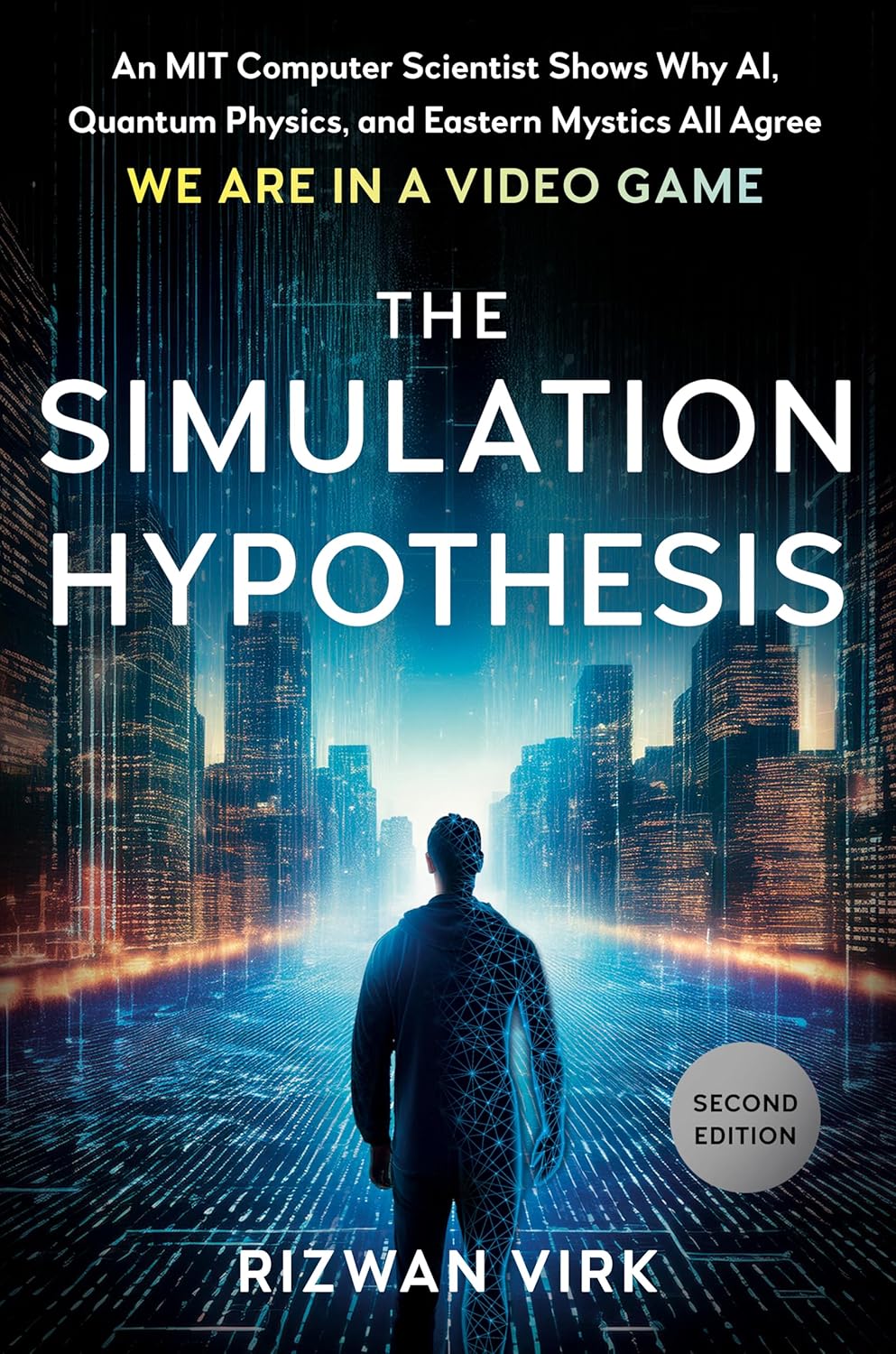
An MIT computer scientist connects AI, quantum physics and video games to take an uncomfortable question seriously: what if we live in a simulation? M
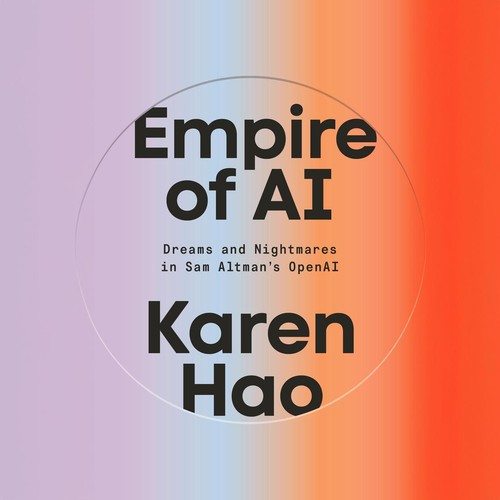
The definitive piece of investigative journalism on OpenAI: 260+ interviews, the clash between safety and speed, and the attempted firing of Sam Altma
As an Amazon Associate, Zendoric earns from qualifying purchases; the price does not change for you. · all our recommended books →
🔗 Related on Zendoric
- When ChatGPT "proves" God exists, it is proving something about the prompt, not the cosmos · 2026-07-27
- Anthropic points the finger at Alibaba: the AI frontier is starting to defend itself with lawyers, not just code · 2026-06-25
- A model that puts odds on its own moral status is a governance problem, not a consciousness proof · 2026-07-26