Demios launches a 'digital twin' that distributes your work among agents: the promise is ambitious, the proof not yet

🕒 Published on Zendoric: July 25, 2026 · 00:23
✨ AI-generated · how it's made
Demios presents itself as a local-first workspace built around a 'Twin': an AI that learns your writing style and decides, on your behalf, which specialized agent does each task. The private beta (v0.7) arrives with defined pricing plans, but with barely any public traction to back it up yet.
📚 Go deeper
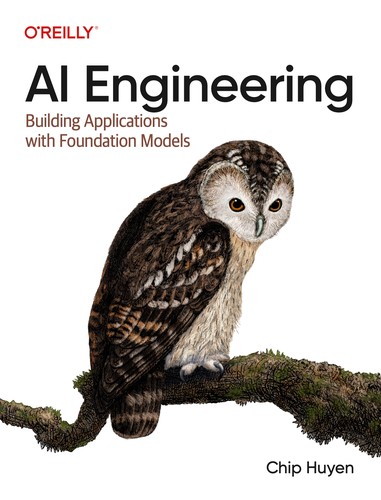
The reference manual for building products on top of AI models: prompts, RAG, fine-tuning, agents, evaluation and deployment.
As an Amazon Associate, Zendoric earns from qualifying purchases; the price does not change for you. · all our recommended books →
By Zendoric · July 25, 2026.
Demios describes itself as a "local-first AI workspace": an environment where a personal assistant, which they call Twin, observes how you work —chats, documents, decisions, edits— and builds a model of your way of thinking and writing. When you ask it for something, the Twin does not execute it itself: it classifies the intent and delegates the task to a "specialist agent" from a catalog of more than ten, which can write, research, generate content or automate a workflow, and returns the result in your tone and at your level of detail, as the company itself describes on its website.
The product organizes work into structured objects —forms, tables, projects, boards, calendars, notes, presentations, workflows— so that agents can act on them directly, not just converse. On privacy, Demios claims it does not train on or store user data, and offers local execution via "Demios Edge" or the option to use your own API keys instead of a model managed by the platform; according to the company, it has its preparation for SOC 2 Type II, GDPR and HIPAA underway. The pricing model ranges from a free tier ("Solo," 500 workflow runs per month, 500 MB of storage) up to a custom "Enterprise" plan, by way of "Pro" ($10) and "Studio" ($15, with a minimum of two seats). The current version is 0.7.3, and the company says it is hiring in engineering, research and design.
So far, the facts provided by Demios itself. And therein lies the first important caveat: all the available material comes from the company's marketing page, not from an independent source. The Hacker News post that prompted this piece has generated barely any traction —one point and no comments at the time of writing— which suggests the product has not yet caught the interest of the technical community that normally validates (or dismantles) this kind of announcement. The only usage testimonial they offer is from a product manager in their own "beta cohort," not from a verifiable external customer.
The block of sustainable "impact" metrics also stands out —water saved, CO2 avoided, kilowatt-hours saved per token processed— presented without methodology or benchmark comparison. It is a pattern that recurs in the sector: turning the energy efficiency of a small or local model into a green marketing argument, without the user being able to check how it is calculated. We are not saying it is false; we are saying that, as presented, it is a company claim that should be read as such, not as an audited figure.
As for the underlying concept, the idea of a "digital twin" that orchestrates specialized agents is not new: it is the same direction already pursued by Microsoft with its integrated Copilots, Notion with its workspace agents, or startups like Adept and Multion in their day. What Demios claims as distinctive is its "local-first" and "user-owned" approach: the ability to run the model on your own hardware or with your own keys, without depending on the platform training on your data. It is a reasonable value proposition at a time when trust in how AI companies use their users' data is, rightly, scarce. But the promise of privacy "by architecture" still needs to be verified by external auditors, not just declared on a landing page.
Our reading: this is exactly the kind of announcement worth viewing through the rule we always apply at Zendoric —distinguishing demonstrated capability from product narrative—. Demios describes a vision consistent with where the sector is heading: personal agents that absorb administrative work and leave the human the judgment and final decision, in line with the trend we have already documented in banking, law or business administration. But a private beta, without verifiable public users and without community comments, is still a product hypothesis, not proof that it works at scale. The space of "personal assistants that delegate to specialist agents" is filling up with projects following nearly identical scripts; the difference between those that survive and those that do not will depend on whether the Twin delivers what it promises with real third-party data, not on how well its website is written. We will have to see it work outside its own demo before drawing conclusions about whether it offers anything different from what the big players already provide.
📚 Go deeper
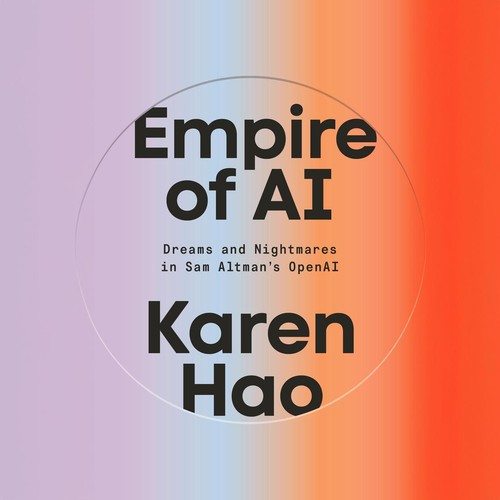
The definitive piece of investigative journalism on OpenAI: 260+ interviews, the clash between safety and speed, and the attempted firing of Sam Altma
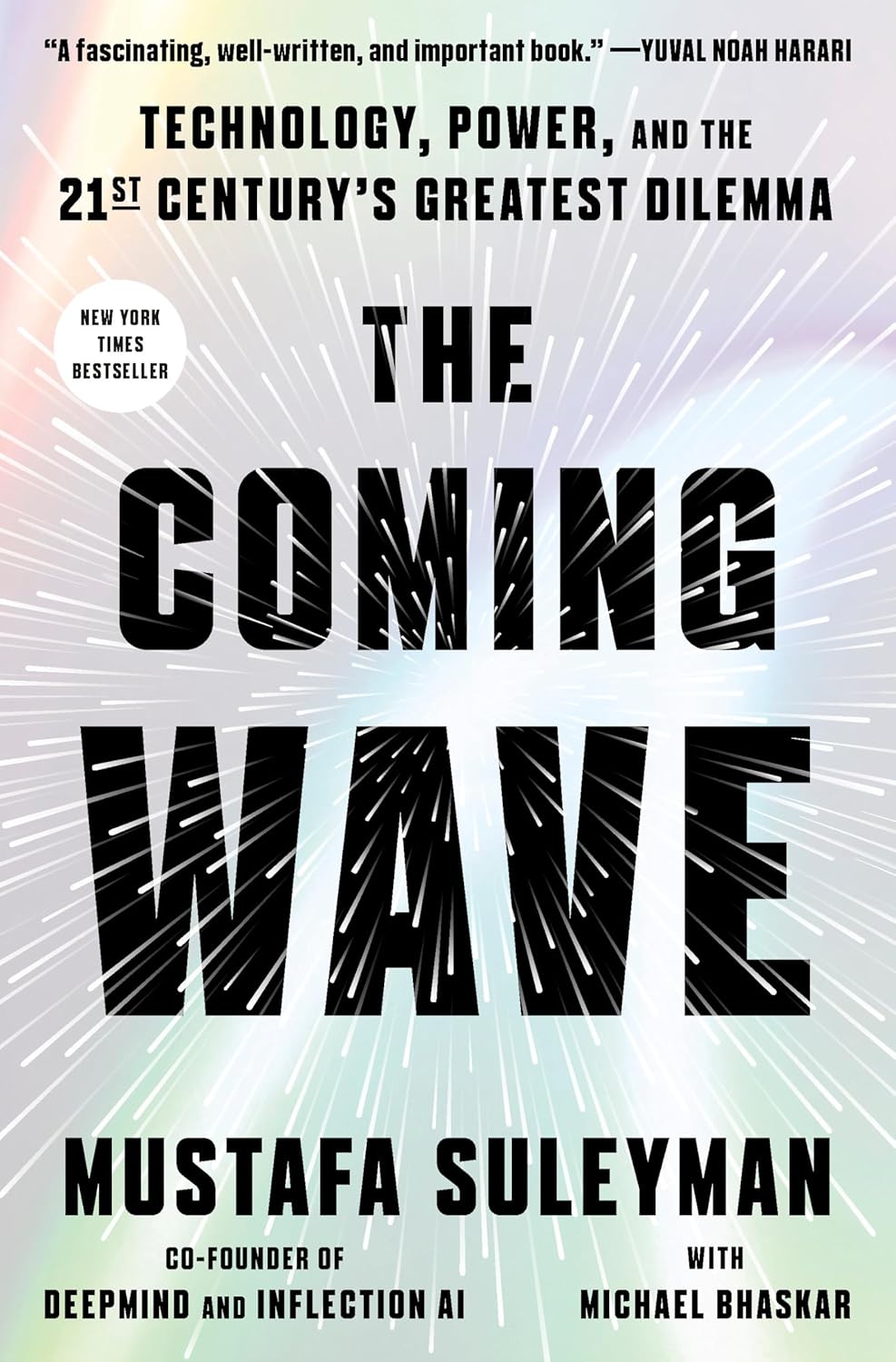
DeepMind co-founder on the dilemma of containing technologies that do not want to be contained.
As an Amazon Associate, Zendoric earns from qualifying purchases; the price does not change for you. · all our recommended books →
🔗 Related on Zendoric
- Apple is rewriting macOS permissions for the agent era: Full Disk Access was never built for AI that reads everything · 2026-10-07
- A hospital claims to be a pioneer in using AI to detect infections earlier: the promise matters more than the headline · 2026-07-15
- An AI agent said it needed your 'like' to continue: in practice it could ignore it in 4 seconds · 2026-07-25