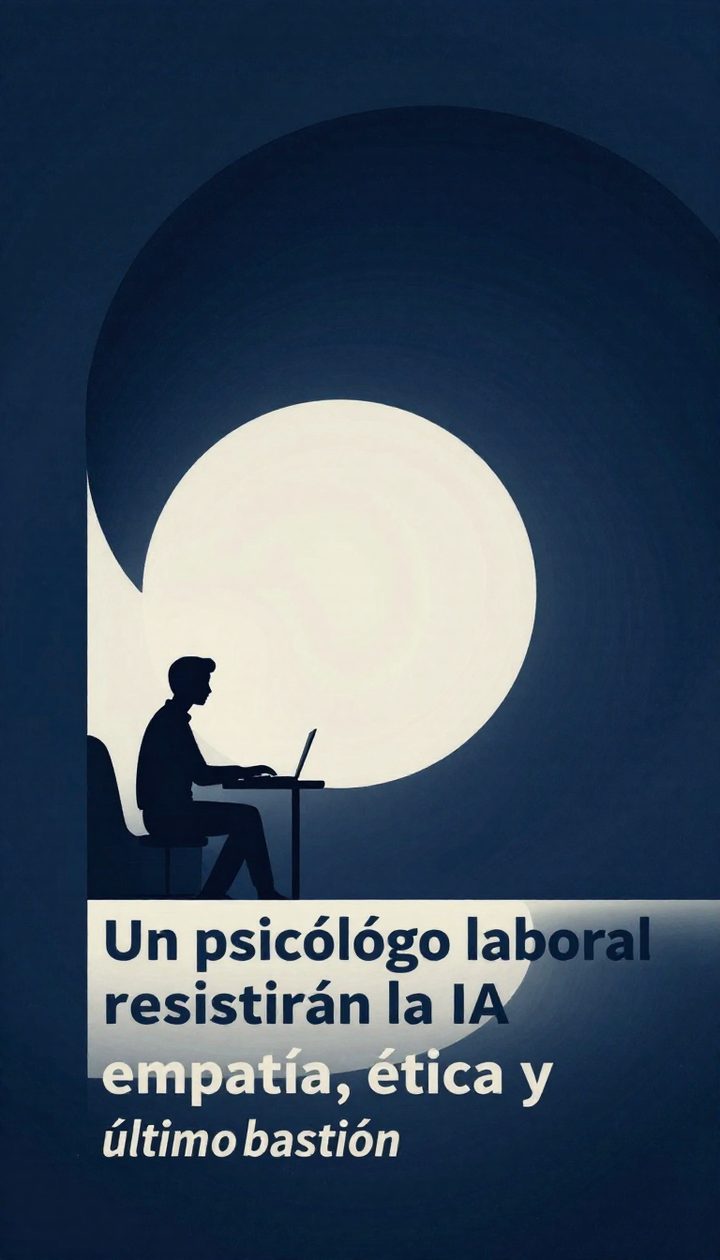
A workplace psychologist points to which jobs will resist AI: empathy, ethics and leadership as the last bastion
🕒 Published on Zendoric: July 25, 2026 · 00:23
✨ AI-generated · how it's made
Argentine workplace psychologist Martín Sandoval argues that mental health, teaching, art, manual trades, elderly care and leadership will remain human territory despite AI's advance. It is a reasonable thesis, but it should be distinguished from hard data on the labor market.
📚 Go deeper
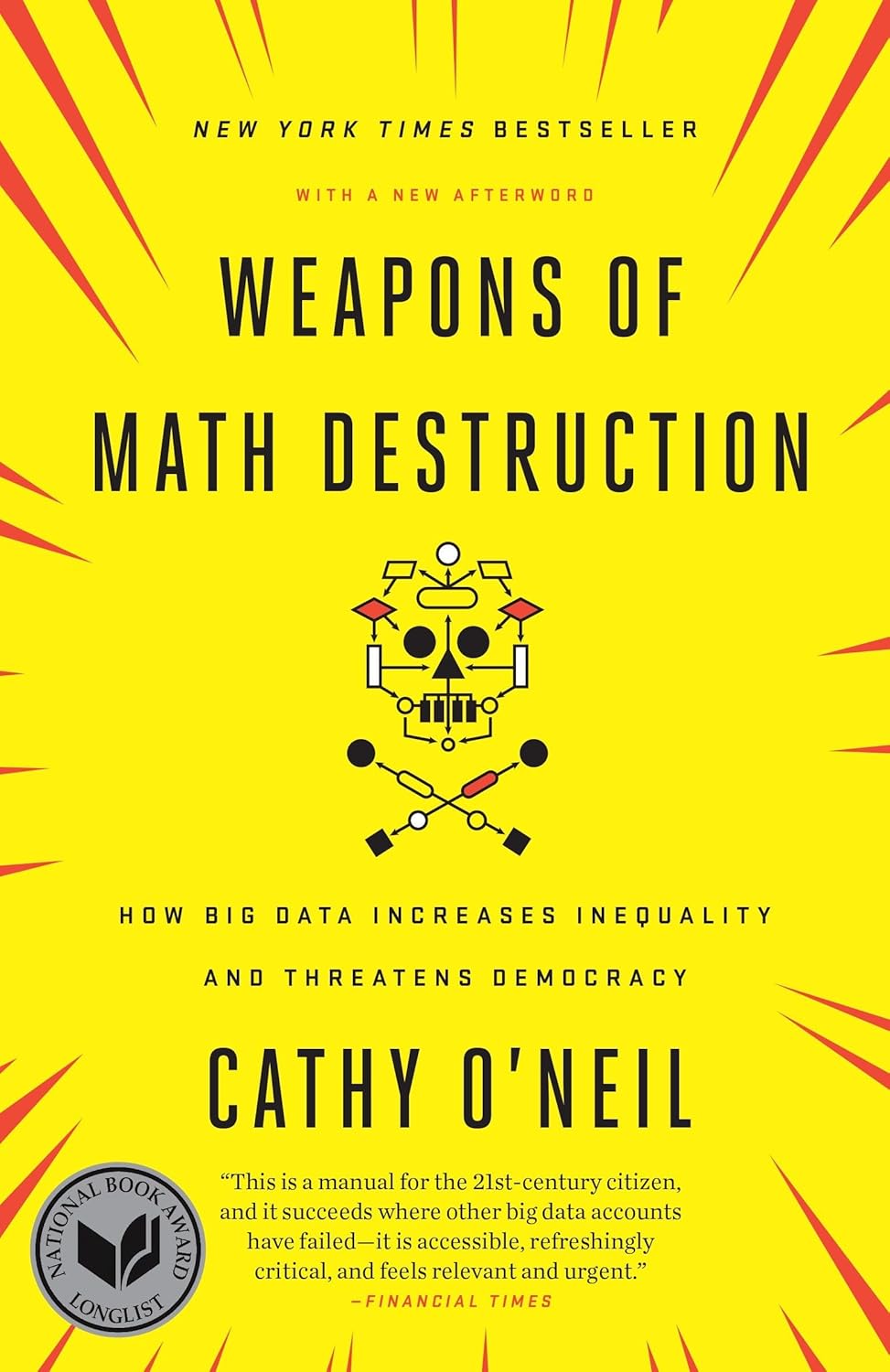
How opaque algorithms decide who gets credit, a job or parole — and why they tend to punish the same people.
As an Amazon Associate, Zendoric earns from qualifying purchases; the price does not change for you. · all our recommended books →
By Zendoric · July 25, 2026.
Occupational psychologist Martín Sandoval stated, in remarks reported by Perfil, that there are professions that "definitely" cannot be replaced by artificial intelligence. His list: mental health professionals, teachers, artists, specialized manual trades, caregivers for older adults, and those who hold leadership positions. The central argument is that these activities depend on empathy, ethics and value judgment, attributes that, according to him, no automation can replicate. In parallel, he acknowledges that repetitive and routine tasks are already being absorbed by bots and self-management systems.
This is an opinion piece, not a study with its own methodology or data: Sandoval cites no employment figures, surveys or sector projections, and the article offers no source beyond his statements. It is best treated as just that —a qualified but anecdotal take— and not as empirical evidence about the future of work.
That said, the thesis fits what we have been observing in our own sector series on AI and employment: the pattern that recurs, sector after sector, is that automation first eats up the back office, the administrative and the repetitive, while expert judgment, human relationships and in-person presence hold up. In health, we already noted that therapy and long-term care are among the most protected areas; in education, we distinguished between the teacher who merely transmits content (replaceable) and the one who orchestrates AI as an augmented tutor (not replaceable). Sandoval reaches a similar conclusion from occupational psychology, not from market analysis, and that is precisely what is interesting: two different angles converge on the same map.
Where the argument falls short is on business leadership. The fact that a "flesh-and-blood human being" makes the final decision does not mean the leadership role will not be radically transformed: we already see organizations where AI prepares the analysis, models financial scenarios and even drafts internal communications, leaving the executive a role of final validation and relationship with people, not of information processing. That is non-negotiable, not replaceable, but it is a leadership with far fewer intermediate hands than today, and with less room for anyone who does not know how to use these tools as leverage.
Our underlying reading: statements like this serve a useful social function, easing the legitimate anxiety of workers and students, but they also run the risk of sounding reassuring without engaging with the real challenge, which is not whether an entire profession disappears, but how many people can practice it and to what level of demand. A teacher, a therapist or an eldercare worker will not be replaced by a language model, but demand for each of those roles, and entry-level pay, may come under pressure if AI makes each employed person more productive and reduces how many are needed. It is the same wage-compression dynamic we have already identified as the most significant early symptom of disruption, even before unemployment figures.
In the long run, we continue to believe that this division of tasks —the mechanical to the machines, the human to people— is exactly the path toward an economy of abundance: more time and resources freed up for care, creation and connection, which is where the value that no AI, however capable, can fully replace resides.
📚 Go deeper
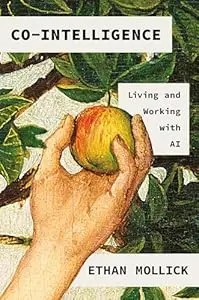
The best starting book if you're not technical: a Wharton professor explains how to work WITH AI — when to delegate, when to supervise, when to keep i
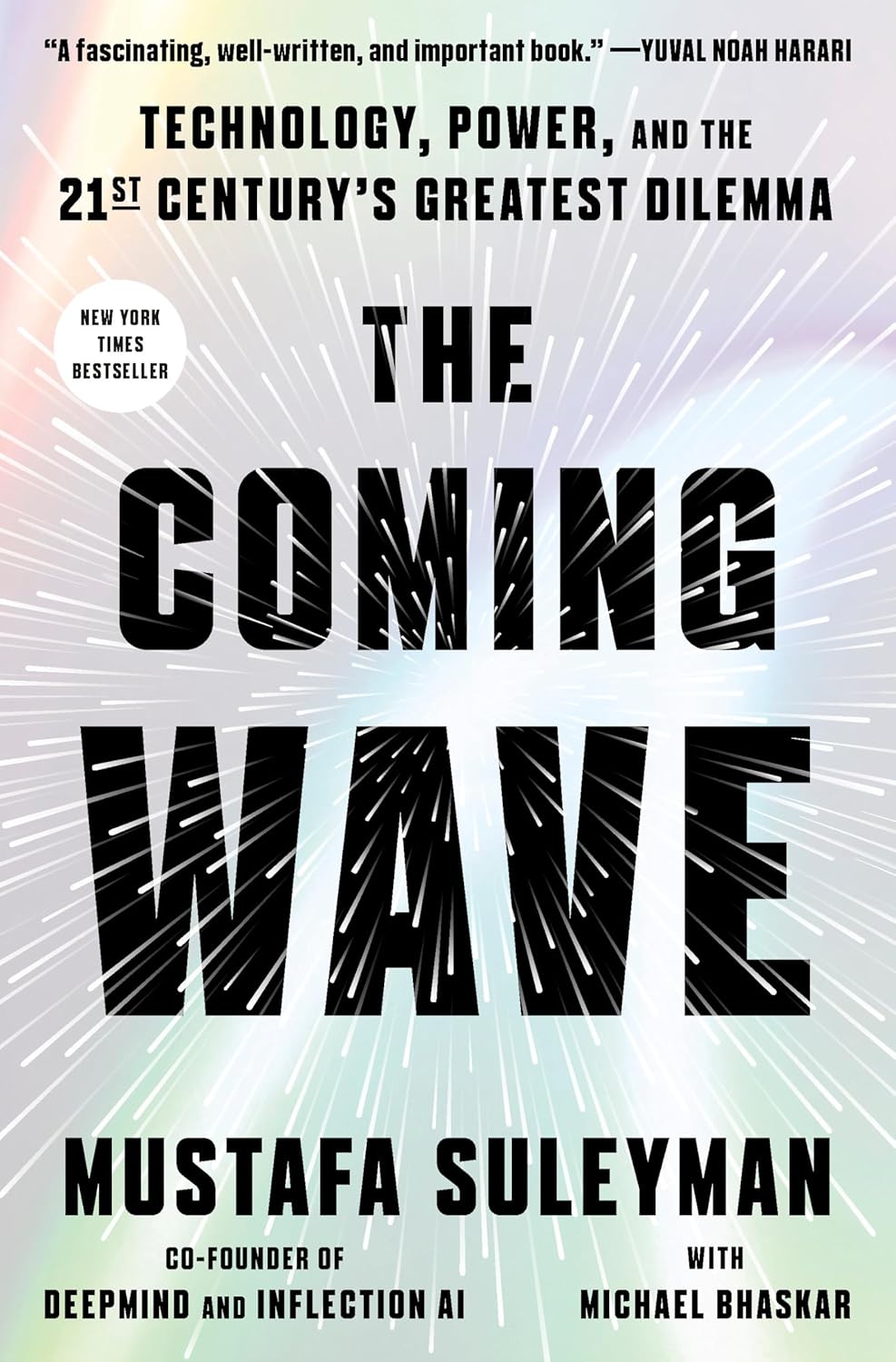
DeepMind co-founder on the dilemma of containing technologies that do not want to be contained.
As an Amazon Associate, Zendoric earns from qualifying purchases; the price does not change for you. · all our recommended books →
🔗 Related on Zendoric
- When AI doesn't lay off but cheapens: the ILO points to wages, not unemployment, as the first symptom · 2026-07-18
- AI is revaluing human skills: why theater and the performing arts are the best training for the future job market · 2026-06-28
- Hartford bets on teaching AI to its young people before the job market leaves them behind · 2026-07-01