Alabama wants to teach AI from primary school: the real debate is not whether, but how

🕒 Published on Zendoric: July 25, 2026 · 00:23
✨ AI-generated · how it's made
A U.S. senator proposes that Alabama lead AI teaching in primary school, dividing families. An education expert at the University of Mississippi settles the discussion: the question is not whether children will use AI, but whether they will learn to do so with judgment.
📚 Go deeper
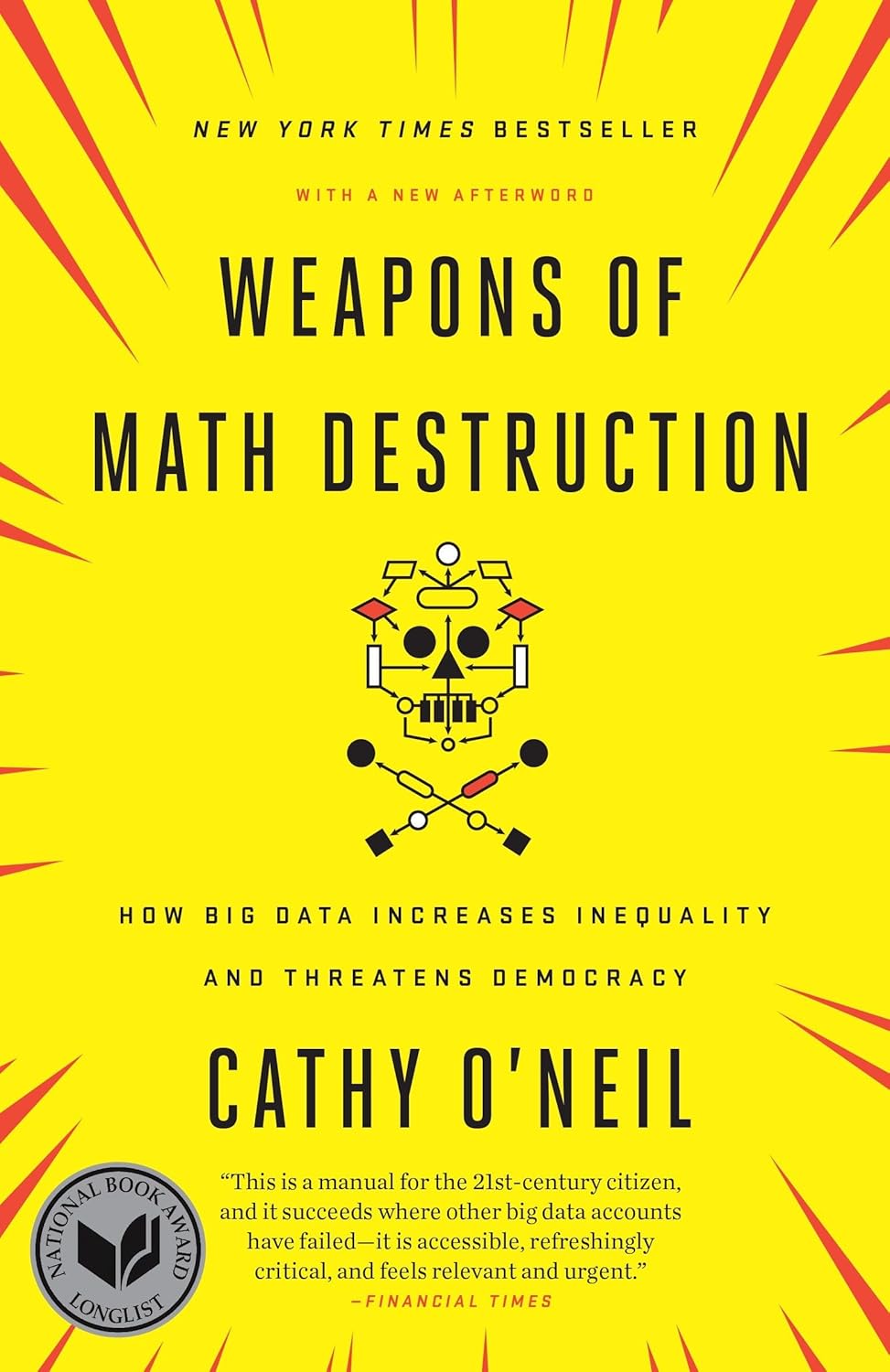
How opaque algorithms decide who gets credit, a job or parole — and why they tend to punish the same people.
As an Amazon Associate, Zendoric earns from qualifying purchases; the price does not change for you. · all our recommended books →
By Zendoric · July 25, 2026.
U.S. Senator Tommy Tuberville has proposed that Alabama become a benchmark for artificial intelligence education, starting with the earliest school grades. His argument, as reported by local station ABC 33/40 (WBMA): "we're going to have to teach kids in the classroom because they're going to learn it anyway." Tuberville calls for training teachers themselves first and putting ethics ahead of technical handling, with a year-by-year progression as students grow.
The proposal has drawn a divided public response, documented by the outlet through comments on social media: some families believe their children need to master AI as soon as possible so as not to fall behind in the future job market; others fear the technology will displace foundational learning—reading, arithmetic, "real-life skills"—before it is consolidated.
Dr. Sam Gilbert, clinical assistant professor at the University of Mississippi's School of Education, provides the nuance the controversy needed: the question is not whether children should use AI—"it's not going away," she reminds us—but how. Her concrete recommendation is to treat AI as a personal tutor rather than an answer generator: useful for practicing before an exam or for breaking down a math problem step by step, not for turning in an already finished assignment.
Gilbert also points to a pedagogical design shift already underway: teachers are replacing simple memorization tasks with others that require explaining the reasoning and defending the answer, precisely so that copying from a generative AI stops being a viable shortcut. And she notes a less-discussed benefit: AI can free teachers from much of the time spent preparing classes and differentiated materials, time that would be redirected into more direct attention to students.
This discussion in one state is not an isolated case: it is the vanguard of a debate that every education system will have to resolve in the coming years, with Alabama serving as a political laboratory thanks to the push from a senator with national profile. The polarization on social media—between "AI has no place in a classroom" and "without it they fall behind"—is predictable and, in our reading, secondary to the real point of friction: who trains the teachers and with what safeguards, not whether access is allowed.
This fits a thesis we had already been defending about AI's impact on education: the teacher who learns to orchestrate the tool wins—turning it into an augmented tutor, a generator of personalized practice, a saver of administrative hours—while the teaching model that merely transmits content an assistant reproduces just as well loses. What is at stake in Alabama, ultimately, is whether that transition is made with teacher training and ethics up front, as Tuberville asks, or is left to happen without guidance, which is exactly the scenario that should most worry skeptical parents.
In the short term, the risk is real and should not be downplayed: a generation that uses AI as an "answer machine" rather than as a tutor may emerge with less capacity for independent reasoning, not more. But in the long term, teaching children from an early age to use these tools with judgment—rather than banning or ignoring them—is the reasonable path toward a school that frees up teaching time and personalizes learning, one more step toward a society where technology amplifies human potential instead of replacing it.
📚 Go deeper
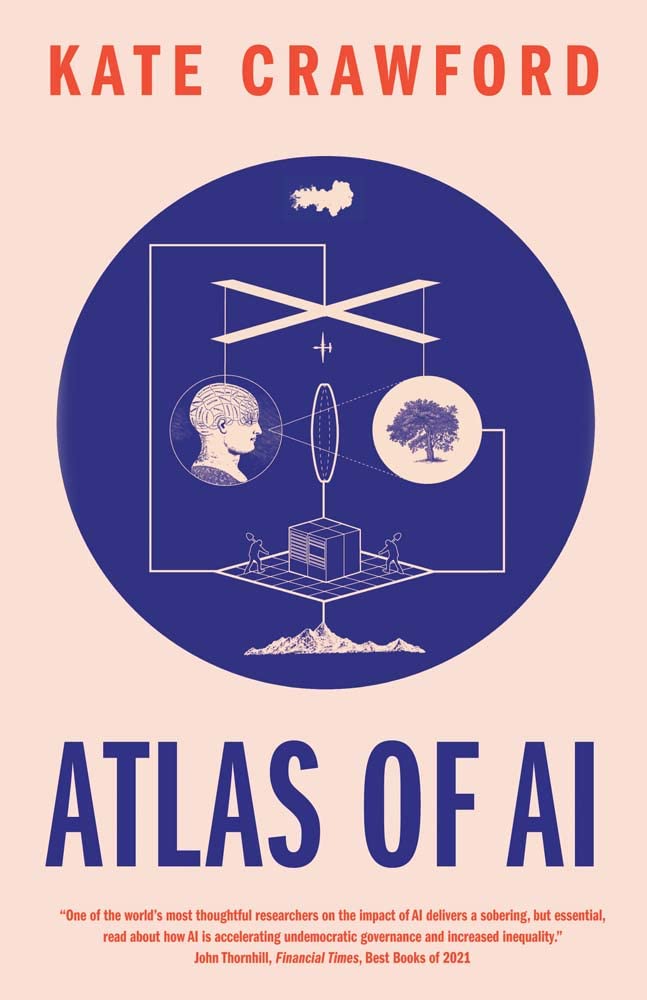
AI as an extractive industry: the lithium, the energy, the underpaid data-labeling work and the bodies behind the cloud.
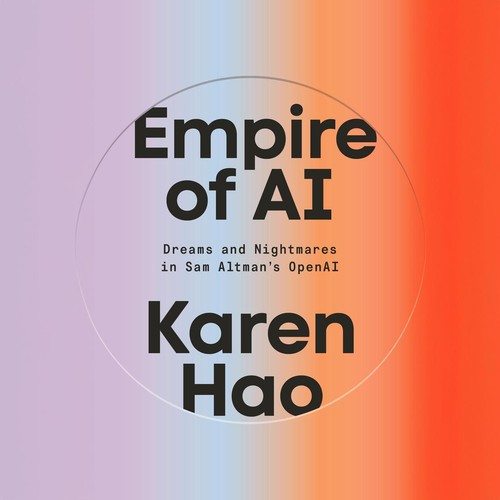
The definitive piece of investigative journalism on OpenAI: 260+ interviews, the clash between safety and speed, and the attempted firing of Sam Altma
As an Amazon Associate, Zendoric earns from qualifying purchases; the price does not change for you. · all our recommended books →
🔗 Related on Zendoric
- AI literacy from primary school: why teaching the habit matters more than banning the tool · 2026-07-09
- AI is now the majority in the classroom: 9 out of 10 university students use it, and the question is no longer whether but how · 2026-07-29
- A Chilean engineer calls for copying the school AI moratorium New York applies to 600,000 children · 2026-09-13