Samsung says smart glasses privacy concerns require an industry-wide solution

🕒 Published on Zendoric: July 24, 2026 · 00:29
✨ AI-generated · how it's made
Samsung Electronics unveiled the smart glasses it has developed in collaboration with Google (Alphabet), Warby Parker and Gentle Monster, offering new details on battery life and durability ahead of their launch planned for this fall.
📚 Go deeper
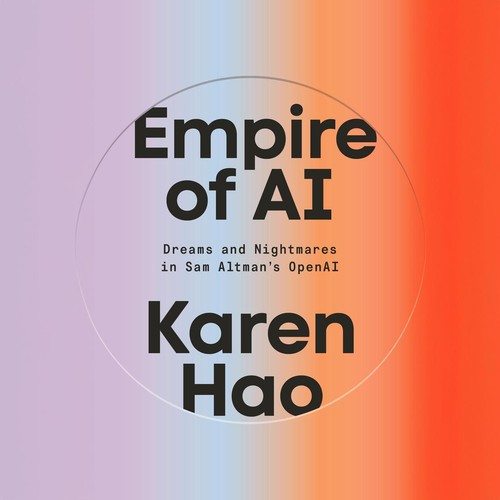
The definitive piece of investigative journalism on OpenAI: 260+ interviews, the clash between safety and speed, and the attempted firing of Sam Altma
As an Amazon Associate, Zendoric earns from qualifying purchases; the price does not change for you. · all our recommended books →
Samsung Electronics unveiled the smart glasses it has developed in collaboration with Google (Alphabet), Warby Parker and Gentle Monster, offering new details on battery life and durability ahead of their planned launch this fall. Along with those technical specifications, the company tried to get ahead of privacy criticism by highlighting the measures it is incorporating both into these glasses and into other models it has in development.
The backdrop to this move is the wave of negative reactions on social media that has affected Meta Platforms, the company that popularized mass-market consumer smart glasses through its alliance with optical giant EssilorLuxottica. According to the article, consumers have expressed unease at the possibility that these devices could be used to record people in public without their consent, a controversy that has recently flared up again.
That climate of distrust is leading other brands in the sector to distance themselves from the controversy surrounding Meta, and Samsung's case is presented as an example of this: by publicly emphasizing the privacy safeguards it builds into its devices, the company seeks to position itself as an alternative more mindful of these concerns before its product reaches the market.
The article, however, is a brief note and does not detail exactly what those privacy measures Samsung says it is building consist of, nor does it offer figures, direct quotes from executives, or additional specifications about the launch itself beyond mentioning the approximate date (this fall) and the design and distribution partners involved (Google, Warby Parker and Gentle Monster). Nor does it delve into the concrete nature of the social backlash against Meta, beyond describing it as a "new wave" of rejection linked to the fear of non-consensual recordings in public spaces.
Overall, the note points to an underlying dynamic relevant to the sector: as more manufacturers—Samsung, Google and potentially others—enter the market for smart glasses with an integrated camera, the question of how to effectively signal that a device is recording, and how to build public trust around its use, is shaping up as a problem that no brand can solve on its own, but that would require standards or solutions shared across the entire industry.
📚 Go deeper

DeepMind co-founder on the dilemma of containing technologies that do not want to be contained.

AI as the latest chapter in the history of information networks, from gossip to the printing press to the algorithm.
As an Amazon Associate, Zendoric earns from qualifying purchases; the price does not change for you. · all our recommended books →
🔗 Related on Zendoric