How ICE gets your address through credit cards and data brokers

🕒 Published on Zendoric: July 24, 2026 · 00:29
✨ AI-generated · how it's made
This 404 Media article is protected by a paywall: the downloaded content only includes the introduction and cuts off just before the full body, with the notice "This post is for paid members only".
📚 Go deeper

AI as the latest chapter in the history of information networks, from gossip to the printing press to the algorithm.
As an Amazon Associate, Zendoric earns from qualifying purchases; the price does not change for you. · all our recommended books →
This 404 Media article is protected by a paywall: the downloaded content includes only the introduction and cuts off just before the full development, with the notice "This post is for paid members only." The summary that follows is therefore based solely on that introduction and cannot cover the technical details or the full investigation the text promises.
The central idea is that when someone opens a new credit card, or simply updates their address with the bank, that data does not stay there. According to the investigation, the address travels from the card-issuing institution through a network of intermediary data companies until it reaches Immigration and Customs Enforcement (ICE), the U.S. immigration and customs agency. Once in ICE's hands, that information can be consulted, analyzed or cross-referenced with other personal data without the need for a court order.
The journalists claim to have reconstructed this data supply chain by reviewing U.S. government public procurement records and internal documents from the very companies that provide the information, which allows them to show routes of access to personal data that many users would not imagine.
The article also notes that ICE buys this data not only for immigration enforcement purposes but also to investigate what the administration describes as "electoral fraud." It also mentions that ICE officials have repeatedly attempted to intimidate legal observers who monitor the agency's actions.
It includes a statement from Senator Ron Wyden, who criticizes the practice: he argues that no one applying for a credit card imagines they are authorizing data brokers to sell their personal information to ICE, calling it a flagrant violation of privacy and stressing that it is impossible for U.S. citizens to opt out of that data flow.
Since the rest of the report —presumably including the names of the specific intermediary companies, the contracts reviewed and more details of the mechanism— remains behind the paywall, it is not possible to offer a deeper analysis here without risking speculation or inventing information that does not appear in the available material.
📚 Go deeper
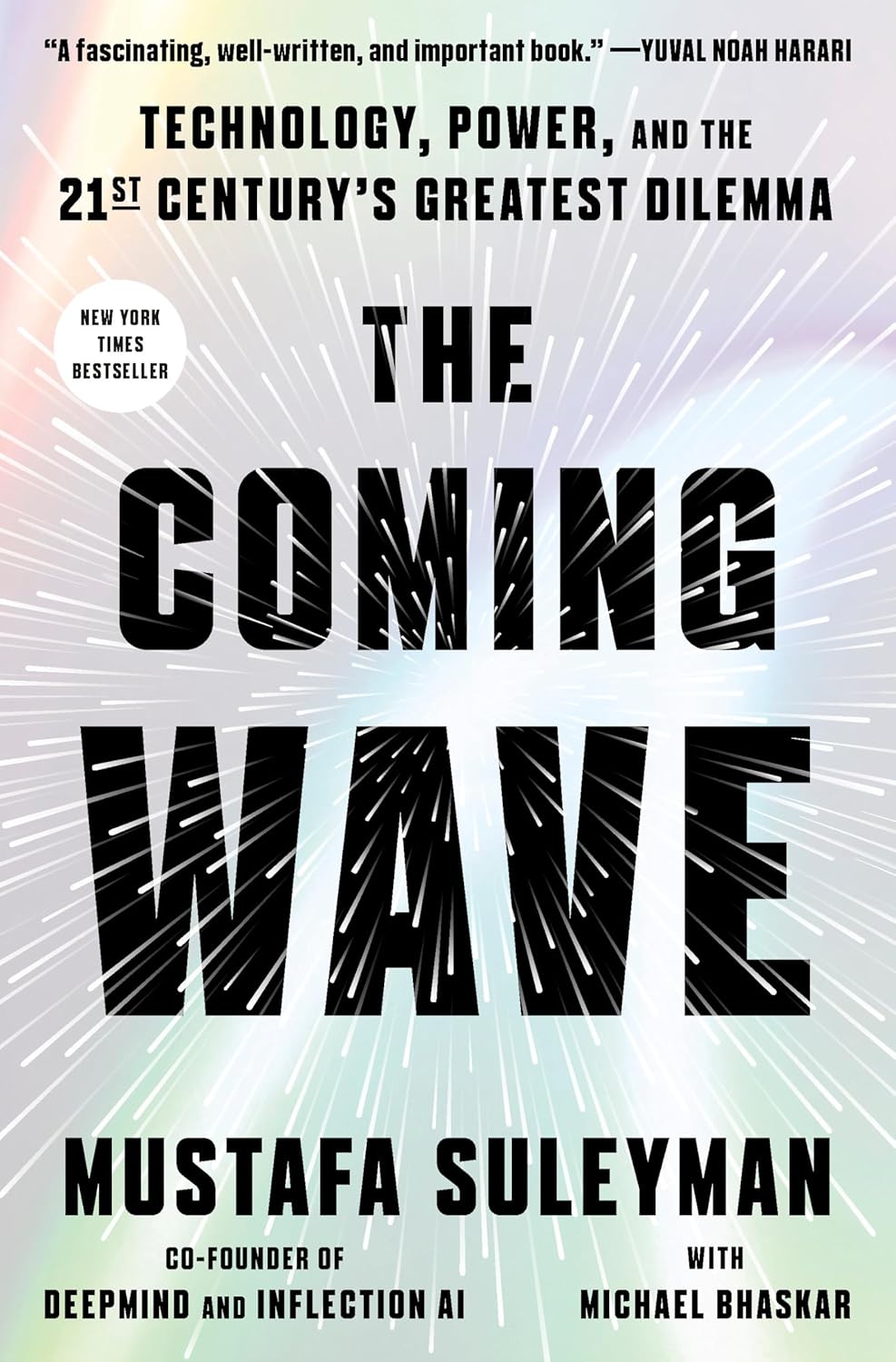
DeepMind co-founder on the dilemma of containing technologies that do not want to be contained.

The book that started the existential-risk debate and that half the industry still cites.
As an Amazon Associate, Zendoric earns from qualifying purchases; the price does not change for you. · all our recommended books →
🔗 Related on Zendoric