Tennessee puts Instagram's addictive design on trial: Meta faces a jury for seven weeks

🕒 Published on Zendoric: July 24, 2026 · 00:29
✨ AI-generated · how it's made
Meta is in the dock in Nashville in a trial expected to last about seven weeks, after jury selection began on July 20. It is one of the first state cases to bring before a jury the question of whether a social network's design can be considered deliberately addictive, in…
📚 Go deeper

The definitive piece of investigative journalism on OpenAI: 260+ interviews, the clash between safety and speed, and the attempted firing of Sam Altma
As an Amazon Associate, Zendoric earns from qualifying purchases; the price does not change for you. · all our recommended books →
Meta is in the dock in Nashville in a trial expected to last about seven weeks, after jury selection began on July 20. It is one of the first state cases to bring before a jury the question of whether the design of a social network can be considered deliberately addictive, in this case aimed at minors.
The lawsuit, brought by Tennessee Attorney General Jonathan Skrmetti, argues that Meta deliberately built features such as autoplay, Reels, push notifications and ephemeral posts with the goal of maximizing usage time among teenagers, while publicly downplaying the associated risks. The state further alleges that the company concealed internal research linking Instagram to harms to youth mental health, and that senior executives, including Mark Zuckerberg, were warned of these effects and did not act quickly. Meta rejects that reading of the documents and says its internal studies have been misrepresented in the various lawsuits open in several states.
The trial has been structured in two phases: first the jury must determine whether Meta violated Tennessee's consumer protection law; only if there is a verdict of liability will it move to a second phase to set financial penalties and possible orders to redesign the app. Under that state law, Tennessee is seeking damages of up to $1,000 per violation, a figure that could soar given the volume of Instagram's teenage users. The state is also asking that Meta be required to modify the features it considers designed to create habit.
Meta defends itself by arguing that the lawsuit actually targets content posted by users rather than the design of the platform itself, and would therefore be protected by Section 230 of the Communications Decency Act. How the Nashville jury draws that line between design and content could shape the rest of the similar state cases that are pending. A company spokesperson has stated that they have spent a decade building safe, age-appropriate default settings for teenagers, along with tools for families to set limits.
This trial is part of a broader wave of litigation that began in 2023, when a coalition of attorneys general sued Meta. A federal judge recently allowed states to argue that the company "hooked" minors on its apps, and four other states have filed a parallel lawsuit for $1.4 trillion that will be tried in California in August. Meta arrives in Nashville after a string of legal setbacks: in March, a New Mexico jury ordered it to pay $375 million in another child safety case, and a Los Angeles jury found it liable, along with YouTube, for harming the mental health of a young user (a verdict Meta is appealing). The company insists that no court has so far determined that its products are defectively designed.
The regulatory context adds further pressure: the European Commission is investigating the addictive design of Facebook and Instagram under the Digital Services Act, focusing on infinite scroll, autoplay and notifications aimed at minors. With the Nashville trial overlapping the California proceeding scheduled for August, the outcome in Tennessee could set the course: a win for the state would provide a legal template for the rest of the pending cases, while an acquittal would slow the momentum that the recent run of adverse verdicts has given plaintiffs.
📚 Go deeper
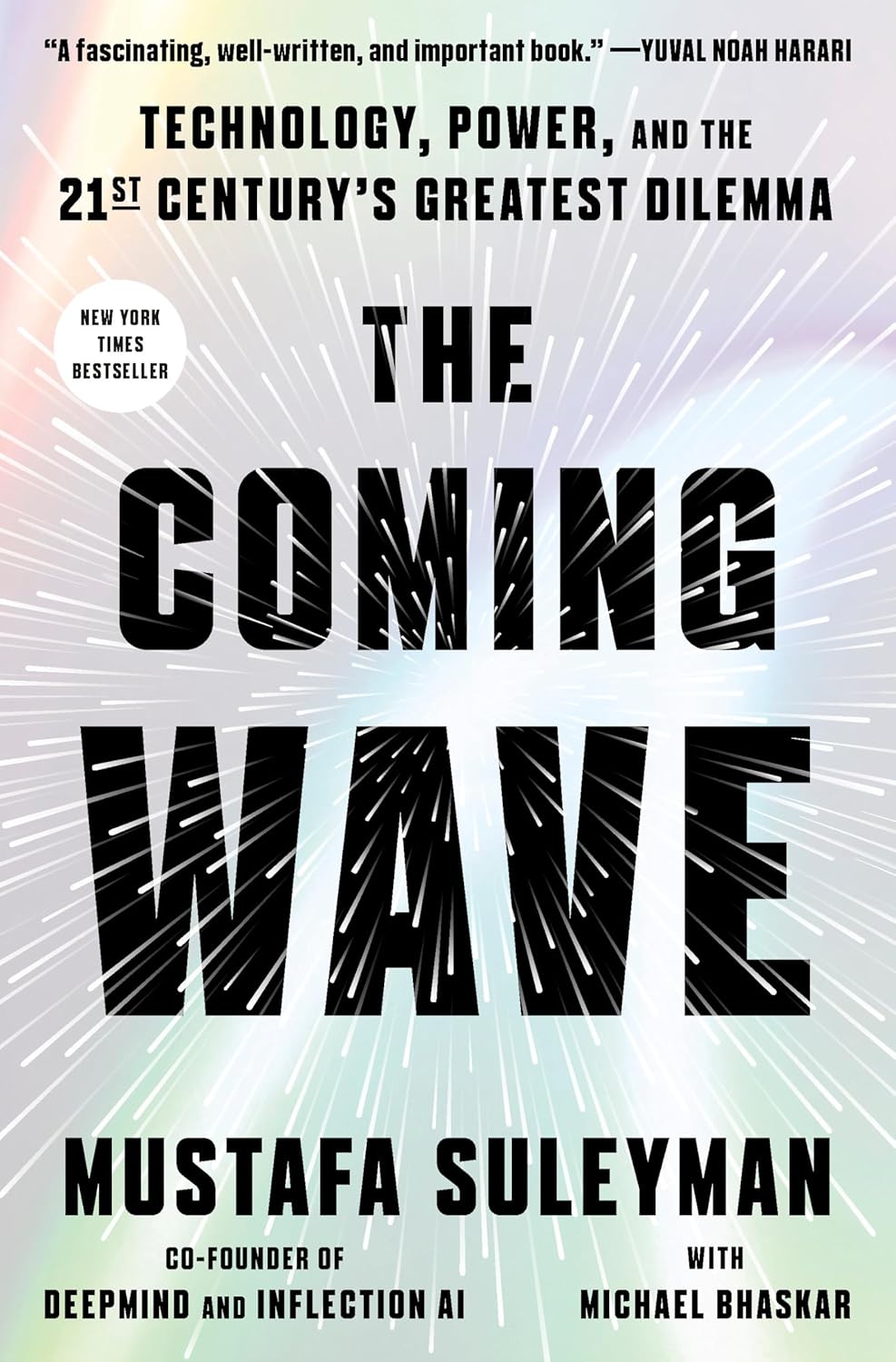
DeepMind co-founder on the dilemma of containing technologies that do not want to be contained.

AI as the latest chapter in the history of information networks, from gossip to the printing press to the algorithm.
As an Amazon Associate, Zendoric earns from qualifying purchases; the price does not change for you. · all our recommended books →
🔗 Related on Zendoric
- The Pentagon formalizes more AI in combat decisions, and the market is already positioning itself · 2026-06-26
- Celaya bets on an AI command center: predictive surveillance with accountability still pending · 2026-06-26
- The uncomfortable question about AI is not whether it works, but who pays the bill · 2026-06-27