Tuberville calls for teaching AI to Alabama's children, but the plan remains just an announcement

🕒 Published on Zendoric: July 24, 2026 · 00:29
✨ AI-generated · how it's made
Senator Tommy Tuberville is advocating bringing artificial intelligence into Alabama's classrooms from an early age, a day after Governor Kay Ivey created a commission to study screen use in schools. There is political conviction; still missing are the curriculum, funding and timeline.
📚 Go deeper
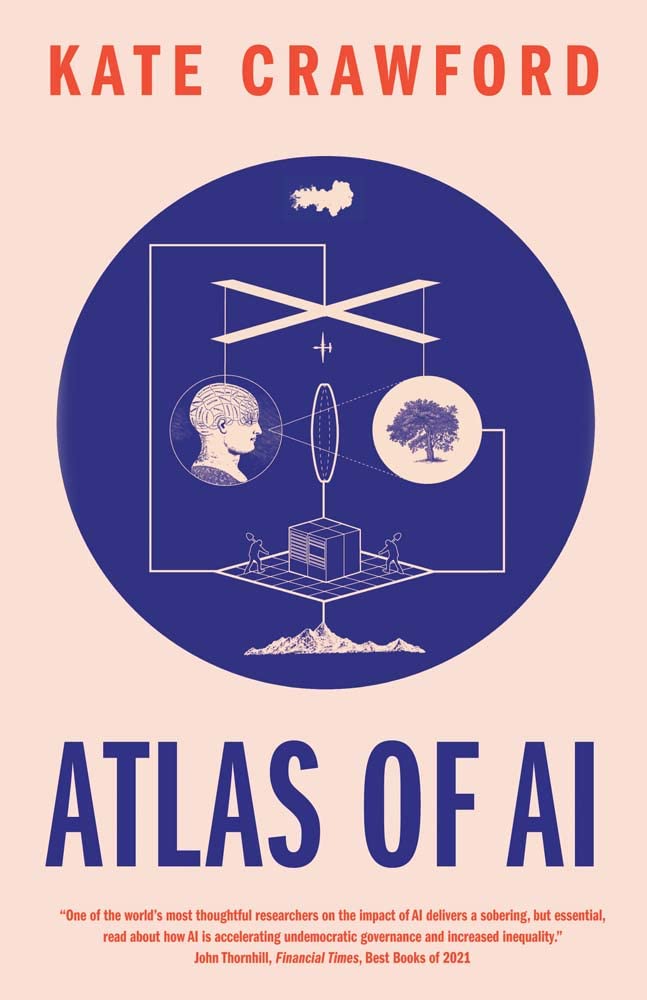
AI as an extractive industry: the lithium, the energy, the underpaid data-labeling work and the bodies behind the cloud.
As an Amazon Associate, Zendoric earns from qualifying purchases; the price does not change for you. · all our recommended books →
By ABC 33/40 (mynbc15.com) · July 23, 2026.
Alabama Republican Senator Tommy Tuberville said on Thursday, in a call with reporters from the state, that artificial intelligence (AI) should be taught to students from an early age. "We've got to teach AI in the classroom because they're going to learn it anyway," he said, as reported by ABC 33/40. His remarks come a day after Governor Kay Ivey signed an executive order creating the Governor's Commission on Screen-Based Instruction, tasked with studying the uses, risks and benefits of screens in Alabama's elementary and secondary classrooms.
Tuberville backed Ivey's order as "a step in the right direction" and outlined a sequence: first train the teachers, then teach the fundamentals and ethics of AI use, and only then move forward grade by grade. He emphasized one very specific goal: that students learn to distinguish "what is fake and what is real," in reference to AI-generated disinformation. According to the senator, schools that have already incorporated AI training "are seeing positive results," although neither he nor the article provides figures, names of schools or data to support that claim.
It is worth separating the political statement here from actual public policy. The only thing that exists today in Alabama in the form of a government act is a study commission just created by Ivey, whose mandate is to analyze risks and benefits, not to implement a curriculum. Tuberville's words are a public stance, consistent with that commission, but not a plan with funding, curriculum standards or timelines. It is the distinction that should always be applied to this kind of announcement: demonstrated capability versus aspiration. Here, for now, there is aspiration and political intent; the substance (what is taught, with what materials, with what teacher training) has yet to be written.
That said, the underlying instinct—to teach AI rather than ban it—seems right to us, and it connects with something we have already analyzed in our coverage of AI and employment by sector: in education, the winner is not the teacher who merely delivers content, but the one who learns to orchestrate AI in the classroom, using it as a tool and teaching students to audit it. Tuberville's own idea of putting "ethics first" before the tool points in that direction, although the devil is in the details that Ivey's commission has yet to define.
The explicit mention that students should learn to tell real from fake also deserves a broader reading. We already live in a moment in which the abundance of synthetic content not only makes it possible to fabricate believable lies, but also to deny real facts by claiming they are "AI-generated"—what we have previously described as the liar's dividend. Training an entire generation to verify the origin and truthfulness of what they see on screen is, in that sense, a social vaccine as necessary as teaching how to code or use a spreadsheet. It is one of the few areas where the short and long term do not clash: it prepares students for a job market that will demand fluency with these tools, while at the same time arming them against the manipulation risks that this same technology introduces.
What remains to be seen, in Alabama and in the rest of the states having this same debate, is whether policy follows rhetoric. A commission that "studies" screens and a senator who calls for "teaching AI" are, as of today, two loose pieces. If they come together in a law with curriculum, budget and real teacher training, Alabama could become a benchmark case for how to introduce AI into classrooms without falling into either reactive prohibition or adoption without safeguards. If they remain parallel statements, it will simply have been another episode in a debate that has yet to land in public policy.
📚 Go deeper

The definitive piece of investigative journalism on OpenAI: 260+ interviews, the clash between safety and speed, and the attempted firing of Sam Altma
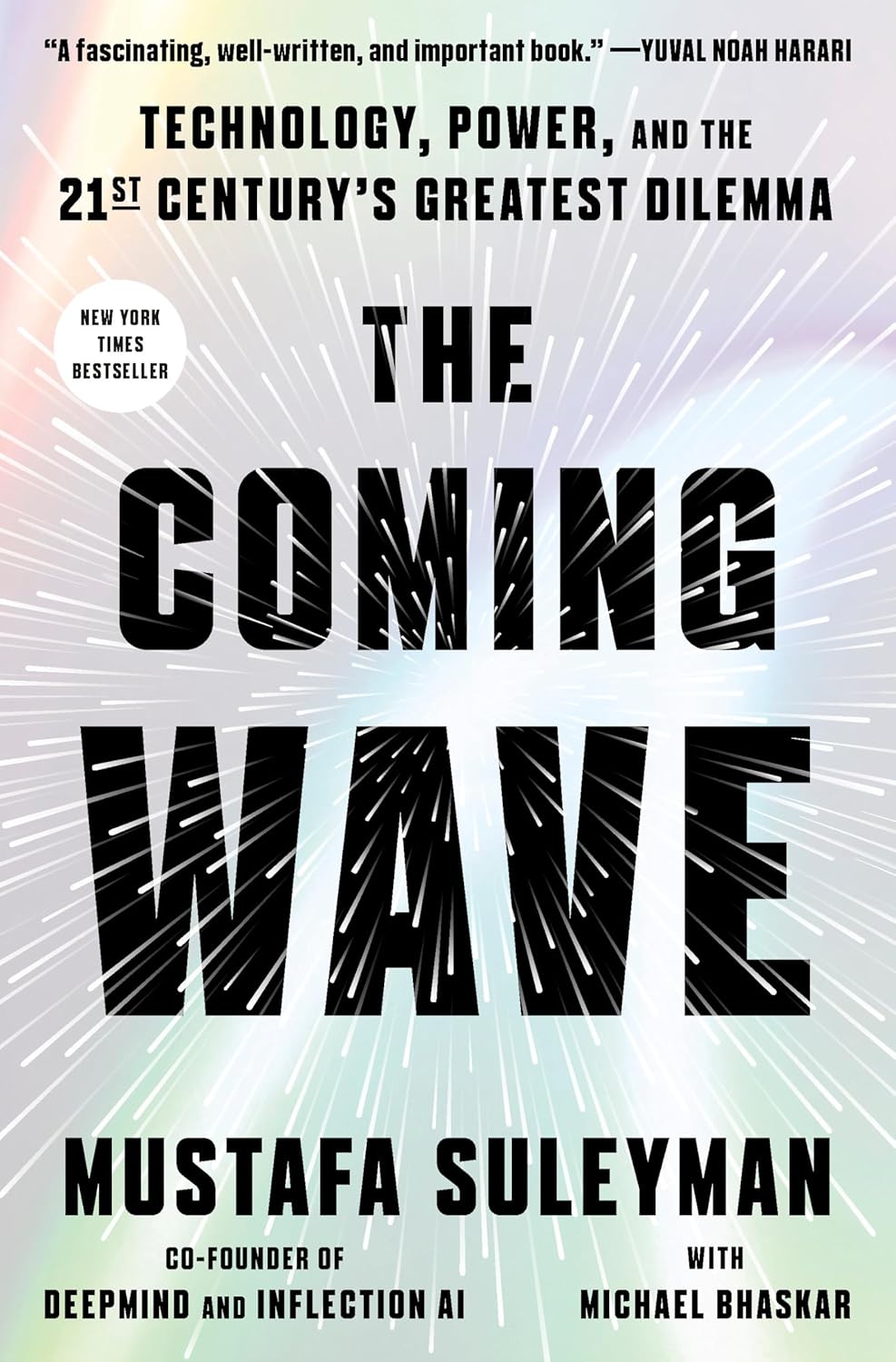
DeepMind co-founder on the dilemma of containing technologies that do not want to be contained.
As an Amazon Associate, Zendoric earns from qualifying purchases; the price does not change for you. · all our recommended books →
🔗 Related on Zendoric
- New York bans generative AI in elementary schools for a year, and the debate already divides those who ran its own schools · 2026-09-07
- Sheinbaum proposes a census to regulate AI and social media around children, but without a roadmap · 2026-07-21
- Banning AI in schools won't stop it: Tiramonti warns the real problem is Argentina's connectivity gap · 2026-07-27