North Carolina reallocates $3.2 million to a school district for safety AI, after another rejected it over privacy concerns

🕒 Published on Zendoric: July 24, 2026 · 00:29
✨ AI-generated · how it's made
The North Carolina General Assembly is moving $3.2 million to Alamance-Burlington schools for a school-safety AI pilot, after New Hanover turned down the same funding over concerns about the vendor and data handling. The new district hasn't committed yet either: it wants more information before deciding.
📚 Go deeper
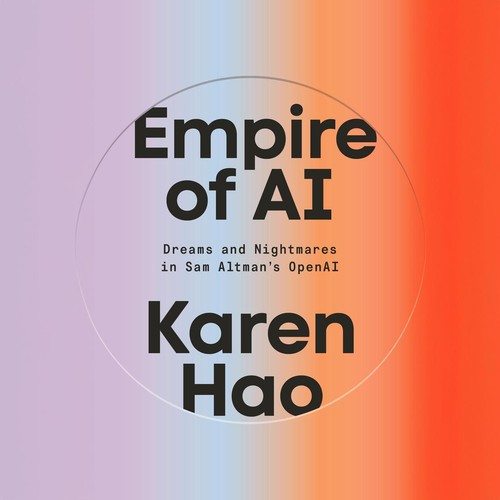
The definitive piece of investigative journalism on OpenAI: 260+ interviews, the clash between safety and speed, and the attempted firing of Sam Altma
As an Amazon Associate, Zendoric earns from qualifying purchases; the price does not change for you. · all our recommended books →
By Zendoric · July 23, 2026.
The North Carolina General Assembly (NCGA) has allocated $3.2 million to the Alamance-Burlington School System (ABSS) for an AI-based school safety pilot program, as confirmed by Blue Ridge Public Radio. The money is not new: it comes from the 2023 state budget, when it was originally earmarked for Davidson County and New Hanover County, both of which were required to integrate AI technology into their school safety systems as a condition for receiving the funds.
Davidson moved ahead. New Hanover did not. Its school board halted the project over concerns about data security and about the technology provider, Eviden. Following that refusal, the latest state budget reallocated the money to Alamance-Burlington. But it's not settled there either: according to a district spokesperson, ABSS is still going to gather more information from the company and present it to its own school board before committing, a process that will likely not begin until September.
It's a local news story, modest in figures—$3.2 million split among a handful of districts is not a large line item in the context of a state education budget—but the pattern it reveals is more interesting than the amount. A fund meant to accelerate AI adoption in school safety has already bounced back twice for the same reason: institutional distrust toward the provider and toward the fate of the data collected, presumably from minors. That an entire school board would rather forgo the funding than accept a technology without guarantees is, in itself, a relevant data point about the state of AI governance in public institutions that handle children's data.
This kind of friction is not a system failure; it's the system working as it should. When the technology at stake involves surveillance, threat detection, or behavioral analysis of underage students, a school board's caution—even at the cost of funding—is exactly the counterweight that AI adoption in the public sector needs. In general, public administration has proven far slower and more scrupulous than private enterprise when it comes to signing AI contracts, precisely because accountability to voters is more direct and because the reputational damage of a children's data breach is enormous.
Our reading is that this case, tiny in figures, is a useful microcosm of the real problem of AI in institutions that serve minors: the bottleneck is not the system's technical capability, but trust in who operates it and what they do with the data. The same thesis we've seen in healthcare (where the brake is not the model but the operational fit) recurs here in a school safety key: the technology can be ready before the governance that makes it acceptable. In the long run, well-designed early-detection systems with solid privacy safeguards can genuinely reduce the risks of school violence; in the short run, every district that says 'not yet'—as New Hanover did and Alamance is now considering before committing—is buying time for those safeguards to truly exist before being deployed over children.
📚 Go deeper
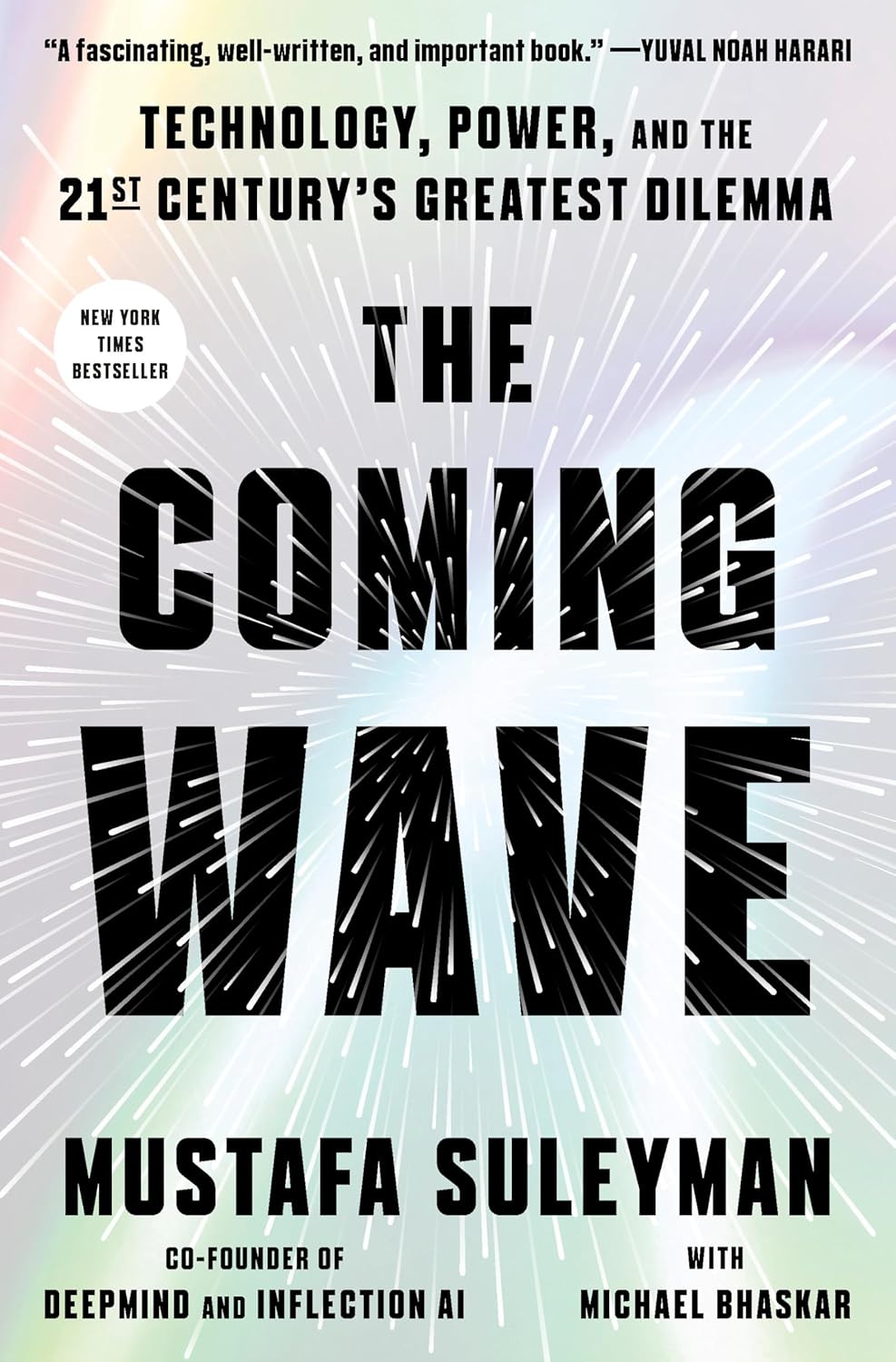
DeepMind co-founder on the dilemma of containing technologies that do not want to be contained.

AI as the latest chapter in the history of information networks, from gossip to the printing press to the algorithm.
As an Amazon Associate, Zendoric earns from qualifying purchases; the price does not change for you. · all our recommended books →
🔗 Related on Zendoric
- AI in New York schools: when the promise of safety clashes with the civil rights of a million students · 2026-06-28
- New York halts an AI robot in the classroom: children's privacy and the maker's past spark controversy · 2026-07-27
- Amid Helene's rubble, the White House picks AI as the symbol of educational rebuilding · 2026-09-18