Judge gives final green light to Anthropic's $1.5 billion settlement, but cuts lawyers' fees from $375 million to $101 million
🕒 Published on Zendoric: July 24, 2026 · 00:29
✨ AI-generated · how it's made
A federal judge has granted final approval to the $1.5 billion settlement between Anthropic and thousands of authors over the use of their books —many of them pirated— to train Claude. The court also cut the lawyers' fees from the initial $375 million to just over $101 million, after questioning how the firms were dividing up the pie.
📚 Go deeper
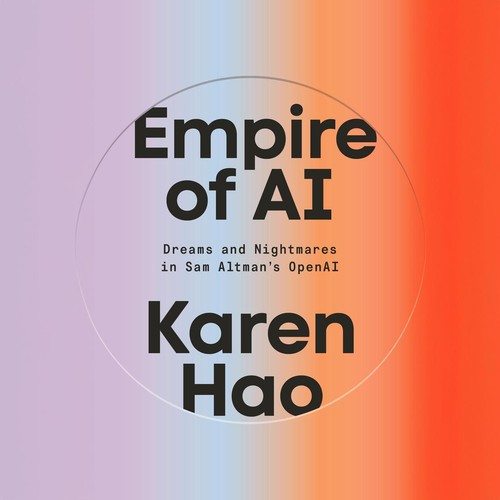
The definitive piece of investigative journalism on OpenAI: 260+ interviews, the clash between safety and speed, and the attempted firing of Sam Altma
As an Amazon Associate, Zendoric earns from qualifying purchases; the price does not change for you. · all our recommended books →
By Zendoric · July 23, 2026.
Federal Judge Araceli Martínez-Olguín has given final approval to the $1.5 billion settlement between Anthropic and a class action brought by thousands of authors and rights holders, according to her final ruling. It is, according to the plaintiffs themselves, the largest known compensation in history for copyright infringement. The most striking part of the ruling, however, is not the settlement figure —known since the summer of 2025— but the cut the court has made to the attorneys' fees: from the $375 million (25% of the fund) they initially requested, they will end up with about $101.5 million, or 7%.
The case began in 2024 in a federal court in San Francisco. The firms Lieff Cabraser Heimann & Bernstein and Susman Godfrey sued Anthropic on behalf of authors and journalists such as Andrea Bartz, Charles Graeber and Kirk Wallace Johnson. The accusation: Anthropic allegedly downloaded at least 500,000 books and other copyrighted works from pirate download repositories and used them to train and refine its Claude family of models, with the stated goal of making it respond with texts that were "more alive, complex and useful." According to the lawsuit, that database helped build a company valued at around $18 billion in late 2023. Anthropic agreed to pay $1.5 billion in the summer of 2025 to close the litigation, and Judge William Alsup granted preliminary approval shortly afterward.
The final stretch has been, above all, a dispute over how the money is divided. Before retiring in late 2025, Alsup had already voiced his rejection of the 25% the lawyers were seeking, and revealed that the two lead firms had tried to bring three other firms —Cowan DeBaets Abrahams & Shepherd, Edelson P.C. and Oppenheim + Zebrak— into the fee split without him ever having authorized it. Once the case was transferred to Martínez-Olguín, the lawyers cut their request in half in March, to $187.5 million (12.5%), withdrawing an additional $75 million distribution for those three firms. The judge still considered it excessive: she said the "multiplier" applied to the base rate (6.92) was well above what is reasonable under Ninth Circuit case law for large funds, and set it at 3.75, in line, she noted, with the multiplier used in the 2025 $1.98 billion settlement over college athletes' name, image and likeness (NIL) rights. With that adjustment, the lawyers' final bill comes to $101.5 million, 44% less than their own reduced March offer.
Authors who file valid claims will receive about $3,000 for each published work that Anthropic used improperly, a figure the judge described as a "substantial benefit" given the case's "novel claims." Rachel Geman, of Lieff Cabraser, called the settlement "historic" and said it is "only the beginning"; Justin Nelson, of Susman Godfrey, described it as "the largest known copyright recovery in history."
It is worth keeping in mind exactly what this settlement resolves and what it does not. The litigation never questioned whether training a language model on copyrighted books is legal in itself; it focused on how Anthropic obtained those texts, allegedly through pirate download libraries rather than buying or licensing them. It is a fine but decisive legal distinction: there is no verdict here condemning the training of AI on protected material as such, but rather a payment for the unlawful origin of the data. The big questions about what constitutes "fair use" when training models on legally acquired works remain open in other courts, with OpenAI, Meta, Stability AI, Suno and Udio facing similar lawsuits.
What this case does leave behind is a reference price. A federal court has put a concrete figure —about $3,000 per work— on the cost of using protected content without permission at an industrial scale, and it has shown that not even the firms that win historic cases against tech giants have a blank check to charge whatever they ask: the cut from $375 million to $101.5 million is a signal to the entire legal industry litigating against AI companies. For the AI companies themselves, the message is more practical: negotiating licenses with publishers and authors from the outset is cheaper, in money and in reputation, than risking having a court set the price after the fact.
This fits with the underlying reading we hold at Zendoric about this stage of AI: the industry was built quickly, sometimes by legally dirty paths, and is now beginning to pay the bill for that haste. It is a real, short-term cost of a transition that is not being clean. But if these lawsuits push the sector toward licensed data markets and serious compensation for creators —instead of toward "train first, apologize later"—, the medium-term result could be a more sustainable industry, with authors and publishers as paid partners rather than victims of a class action. That does not slow down AI's underlying promise; it makes it rest on less fragile foundations.
📚 Go deeper
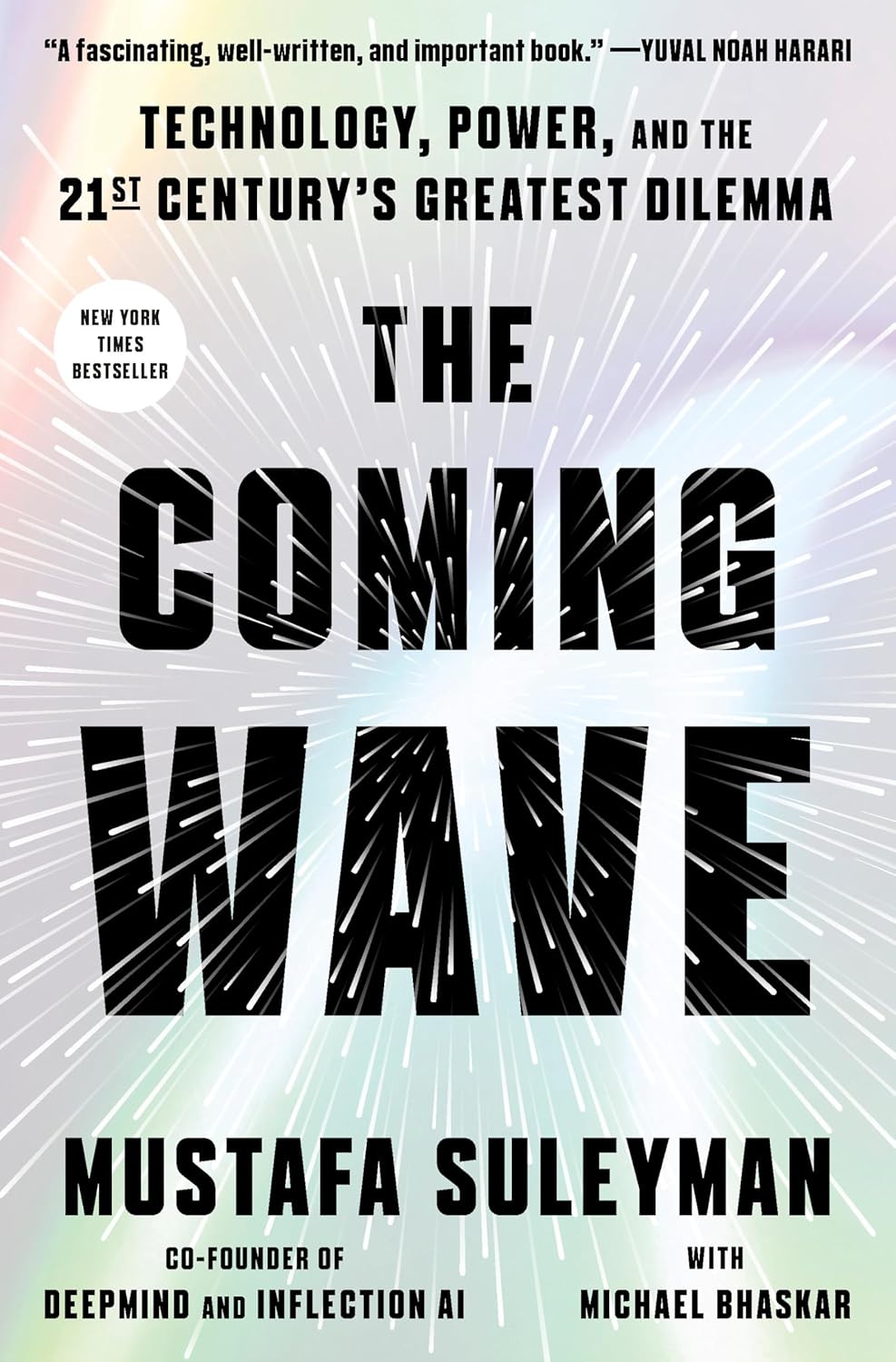
DeepMind co-founder on the dilemma of containing technologies that do not want to be contained.
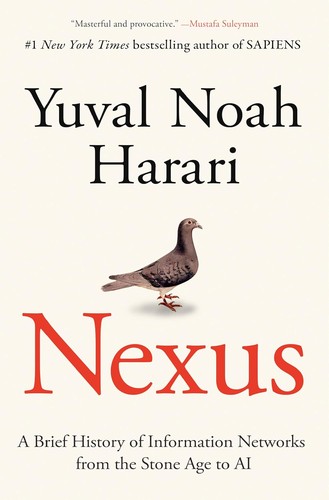
AI as the latest chapter in the history of information networks, from gossip to the printing press to the algorithm.
As an Amazon Associate, Zendoric earns from qualifying purchases; the price does not change for you. · all our recommended books →
🔗 Related on Zendoric
- $1.5 billion for pirating books to train Claude: AI's fair use comes out unscathed, but not free · 2026-07-22
- $1.5 billion: judge approves the largest copyright settlement of the AI era with Anthropic · 2026-07-21
- Anthropic will pay 1.5 billion for pirating books, but AI training is shielded as fair use · 2026-07-23