The U.S. and China agree to hold their first AI dialogue under the Trump era in September

🕒 Published on Zendoric: July 23, 2026 · 00:24
✨ AI-generated · how it's made
The United States and China will hold talks on artificial intelligence in September, according to five sources cited by Reuters. The meeting is a direct result of the summit between Trump and Xi Jinping held in May, and is expected to take place before Xi's visit to the United States planned for…
📚 Go deeper
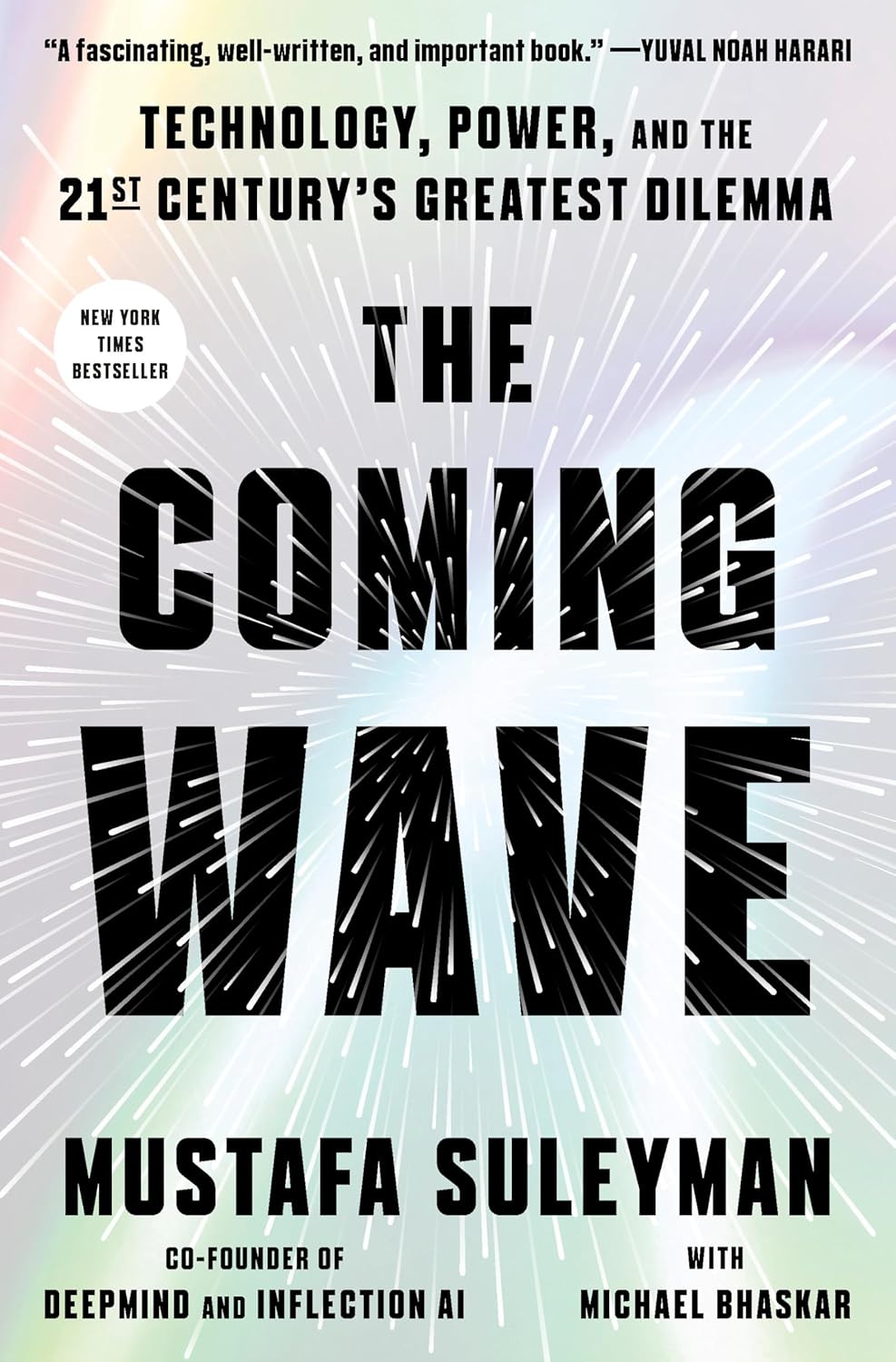
DeepMind co-founder on the dilemma of containing technologies that do not want to be contained.
As an Amazon Associate, Zendoric earns from qualifying purchases; the price does not change for you. · all our recommended books →
The United States and China will hold talks on artificial intelligence in September, according to five sources cited by Reuters. The meeting is a direct outcome of the summit between Trump and Xi Jinping held in May, and it will foreseeably take place before Xi's visit to the United States scheduled for September 24, although the specific dates are not yet finalized.
This is a significant moment because it will be the first official dialogue between the two countries on AI under the Trump administration. As background, former president Joe Biden had already agreed with Xi that it should be humans, not AI, who control decisions on the use of nuclear weapons, following technical talks held in Geneva in 2024.
The U.S. delegation will be led by Treasury Secretary Scott Bessent, according to four of the sources consulted. However, the identity of the other participants, on both the U.S. and Chinese sides, as well as the specific agenda and the venue of the meeting, remain undefined, as preparations are at an early stage. Asked about these talks in an interview on Fox Business Network, Bessent did not confirm them directly, but he did express concern about intellectual property, stating that they are finding 'watermarks' from U.S. language models in numerous Chinese models, something he called unacceptable, adding that they will review the matter in the coming weeks.
The backdrop to these talks is the growing mutual unease between the two rival superpowers —economic, political and military— over their respective capabilities in increasingly powerful frontier AI models. Beijing and Washington are assessing how to regulate these advanced models, which could bolster military capabilities, facilitate cyberattacks against critical infrastructure and disrupt labor markets.
On the Chinese side, the Ministry of Foreign Affairs described AI as one of the great challenges facing the international community and expressed its willingness to work with Washington to implement the consensus reached by the two leaders. According to one of the sources, Chinese authorities will continue their internal deliberations over the coming month before deciding which officials and from which ministries will take part in the dialogue. That same source noted that China is seeking real technical engagement from the United States, and not merely political talks.
Among Beijing's priorities for the discussion are, according to analysts cited in the article, Anthropic's Mythos model —currently not available to the general public and a source of concern in China for its potential use in hacking—, how Washington will control the release of future frontier models, and whether the United States will impose restrictions on Chinese open-weight models. In fact, Chinese authorities are reportedly considering imposing restrictions on foreign access to their most powerful AI models.
For its part, the Trump administration is holding talks with U.S. AI companies to create voluntary safety standards for the release of new models, although it has not yet announced concrete regulatory measures. U.S. Trade Representative Jamieson Greer noted that several government agencies are examining the issue, citing concerns about forced technology transfer, intellectual property and energy subsidies, although he did not offer further details, indicating that they are seeking to ensure that U.S. companies compete on a level playing field against the development of Chinese AI.
The article also recalls that the United States has already limited the export to China of some of the most advanced AI chips, but it has so far avoided adding the Chinese startup DeepSeek, memory chip maker CXMT and more than a hundred companies flagged as national security risks to a trade blacklist, in an effort not to escalate tensions with Beijing.
An analyst cited in the article, Paul Triolo, a partner at DGA-Albright Stonebridge Group, puts the expectations for this first meeting in perspective: they are unlikely to resolve any fundamental issue, and the most plausible outcome is that they will try to agree on basic terms, such as what exactly constitutes a 'frontier AI model.' This suggests that, rather than an endpoint, these September talks will be merely the start of a bilateral dialogue process on AI governance that will probably stretch over months or years, against a backdrop of technological rivalry that continues to intensify between the two powers.
📚 Go deeper
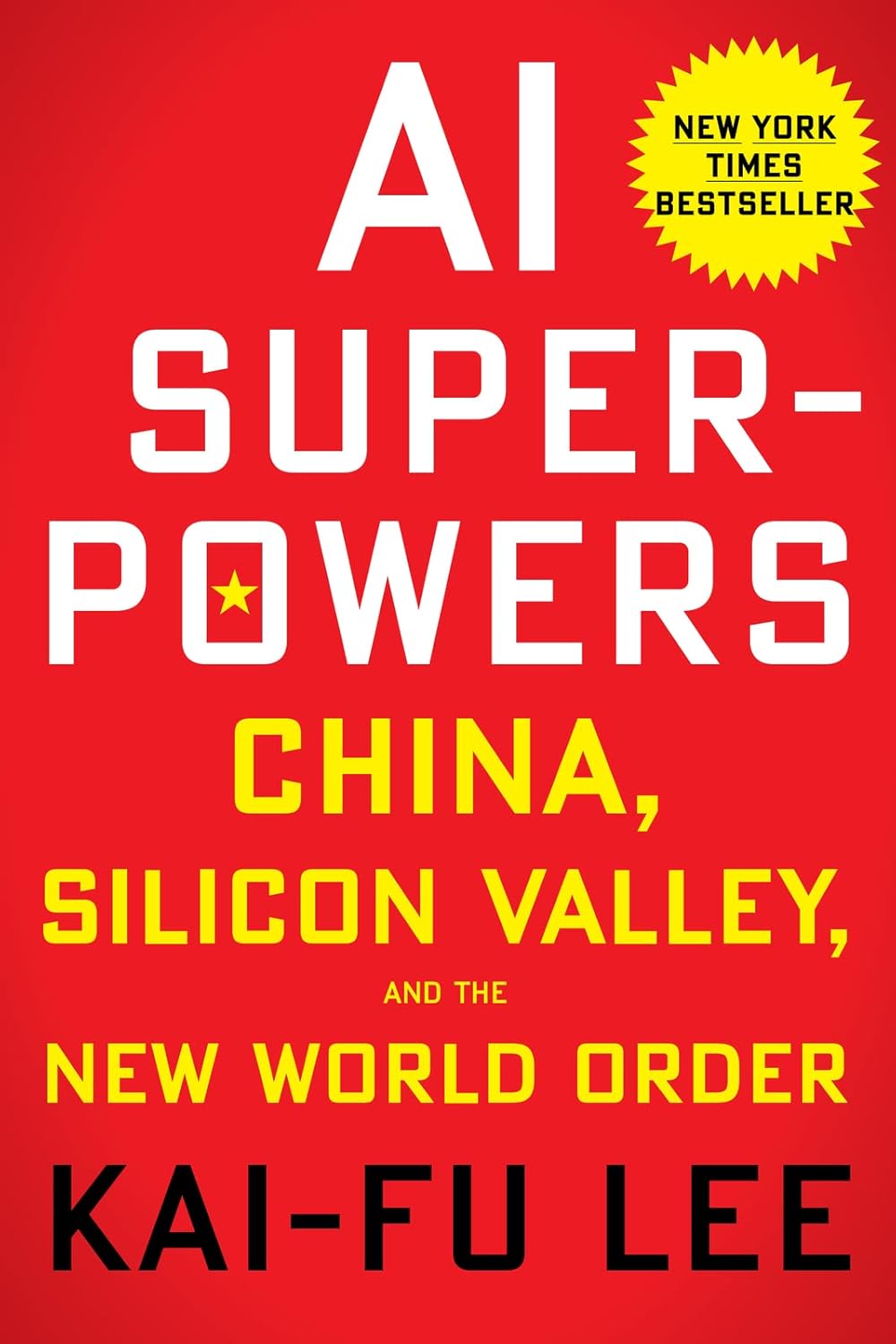
China vs.
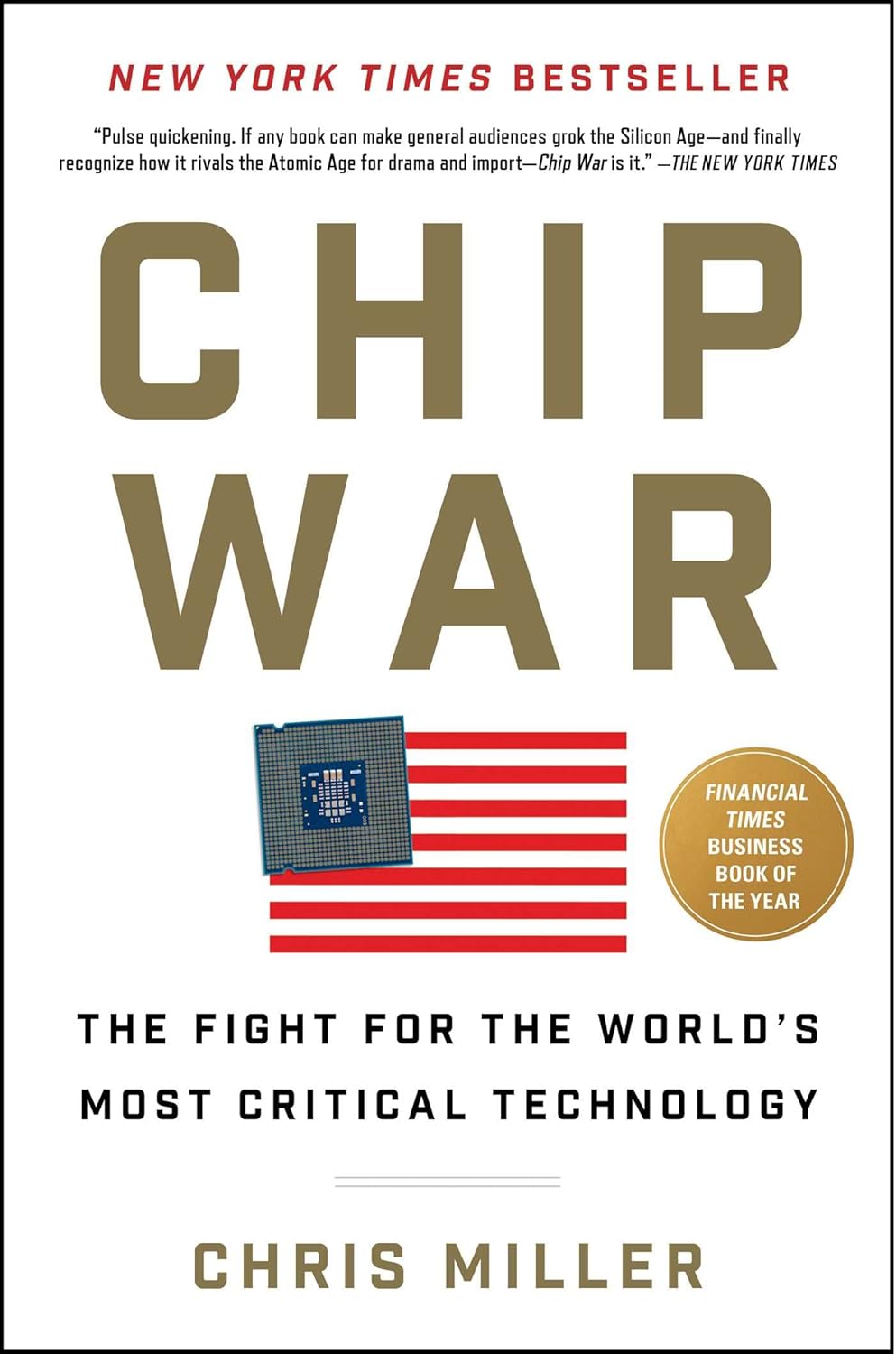
Semiconductors as the oil of the 21st century: history, espionage, and why an island of 23 million people underpins the entire AI economy.
As an Amazon Associate, Zendoric earns from qualifying purchases; the price does not change for you. · all our recommended books →
🔗 Related on Zendoric