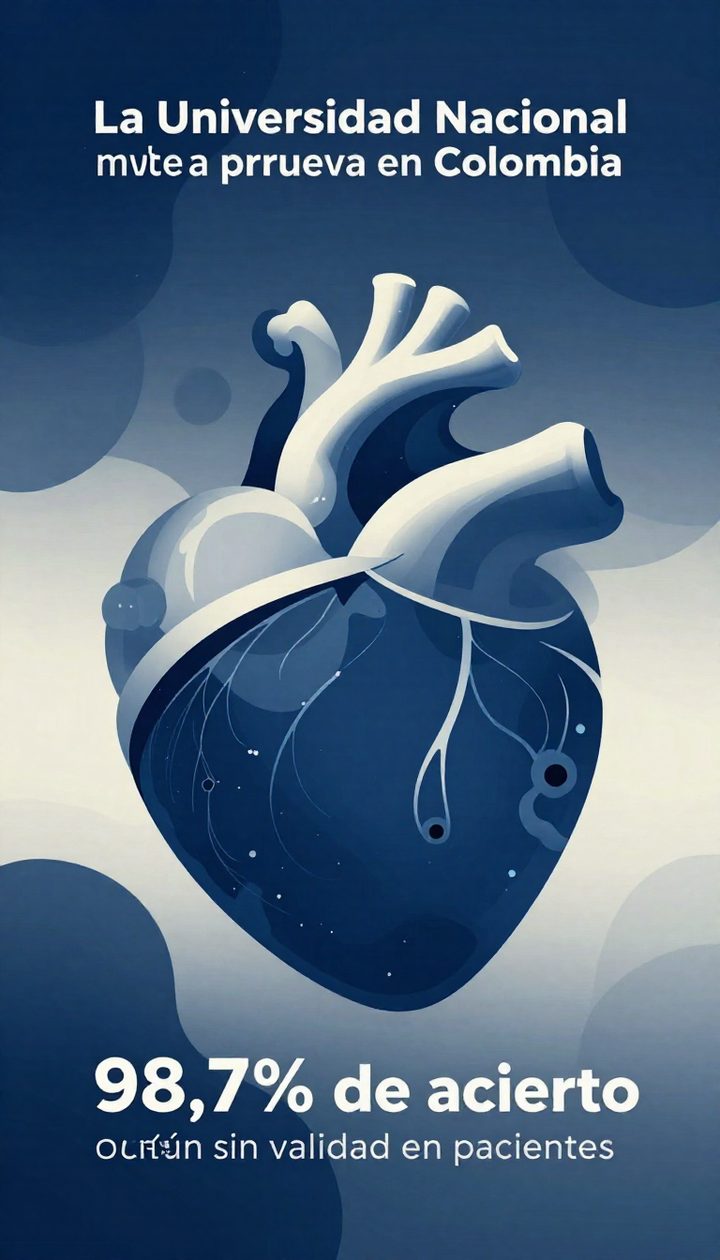
Colombia's Universidad Nacional tests an AI heart watchdog: 98.7% accuracy, not yet validated in patients
🕒 Published on Zendoric: July 23, 2026 · 00:24
✨ AI-generated · how it's made
UNAL Manizales is testing a system in Caldas and Atlántico that uses smart wristbands and AI to detect cardiovascular risk alerts from home, with a preliminary accuracy of 98.7%. The project, underway since 2022, is still being validated with real patients and does not replace the doctor: it only signals when to seek care.
📚 Go deeper

The only novel on the list, by a Nobel laureate: an artificial friend observes humans with a blend of lucidity and innocence no essay achieves.
As an Amazon Associate, Zendoric earns from qualifying purchases; the price does not change for you. · all our recommended books →
By Zendoric · July 22, 2026.
A team from the Universidad Nacional de Colombia (UNAL), Manizales campus, is testing a system that combines smart wristbands, non-invasive sensors and artificial intelligence models to monitor cardiovascular and cerebrovascular risk from home. According to those in charge, in preliminary tests the models correctly classified risk alerts in 98.7% of cases. The figure is striking, but it should be read with caution: it is preliminary, and the team itself clarifies that the system is still being validated with real patient data, not a finished result.
The project —dubbed "IoT- and AI-based home monitoring system for the treatment of cardio-cerebrovascular diseases"— is led by Professor Elisabeth Restrepo Parra, director of the Innterfaz Technology Development Center at the Faculty of Exact and Natural Sciences, with Luis Eduardo López Betancur as technical coordinator. It began in 2022 and is now being validated in Caldas and Atlántico, two departments with a high burden of cardiovascular disease: Atlántico records a hypertension prevalence of 11.15%, one of the highest in the country, and Caldas shows an 8.59% prevalence with heart disease mortality of 140 cases per 100,000 inhabitants, according to data from the research team itself.
The epidemiological context explains why the project matters. Cardiovascular and cerebrovascular diseases cause about 31% of annual deaths worldwide —some 17 million people—, and in Colombia more than 4.5 million people were diagnosed with arterial hypertension between 2019 and 2020 alone, according to figures cited in UNAL's own report. The system is initially aimed at people over 64, one of the highest-risk groups: in that population, nearly one in three deaths in Colombia is related to these conditions.
In technical terms, the wristbands and sensors record heart rate, oxygen saturation and physical activity, which are combined with variables such as age, family history, blood pressure, lifestyle habits and alcohol or tobacco use. Among the models evaluated, LightGBM —a machine learning algorithm based on decision trees, lighter than a deep neural network and common in this type of tabular classification— has shown the best performance so far. Researcher López himself is explicit about the limits: "this will never replace a doctor"; the platform does not diagnose, it only signals when it is advisable to consult one.
That methodological honesty is precisely what should be demanded of any clinical AI system before applauding the figure. A 98.7% accuracy rate in classifying alerts may sound spectacular, but in health, risk alerts are usually minority events: if the vast majority of measurements correspond to "no risk," a model can be highly accurate overall and still fail to detect the few cases that do matter. What would need to be known —and the project has not yet published it with real patient data at scale— is the system's actual sensitivity: how many true alerts it detects out of those that occur, not just how many it classifies correctly overall. That is the difference between a promising headline and a clinically reliable tool.
That said, the approach fits a broader trend we have already noted in digital health: the bottleneck in medical AI is usually not that the model exists, but that it fits into the real flow of care. Here the team has understood this well, actively seeking partnerships with the Center for Bioinformatics and Computational Biology (BIOS), the Universidad de Caldas, the Hospital Universitario de Caldas and Unisalud to build a digital health knowledge network, rather than remaining a laboratory prototype. That is the step that decides whether a "telehomecare" system —remote care that reduces trips to medical centers— stays an academic paper or actually changes something in the life of a hypertensive patient in Manizales or Barranquilla.
It is also an example of why our underlying thesis on AI and health makes sense even when the development is modest and local. The long-term promise is not just the superintelligence that will cure cancer tomorrow: it is this accumulation of continuous, cheap and non-invasive monitoring systems that detect in time what is now detected too late. Preventing a heart attack with an alert generated by a wristband is, on a small scale, the same principle underlying the idea of a longer, healthier life for more people. But that horizon is only fulfilled if projects like this pass the validation phase rigorously, publish their full metrics and do not confuse a preliminary result with a clinical guarantee.
📚 Go deeper
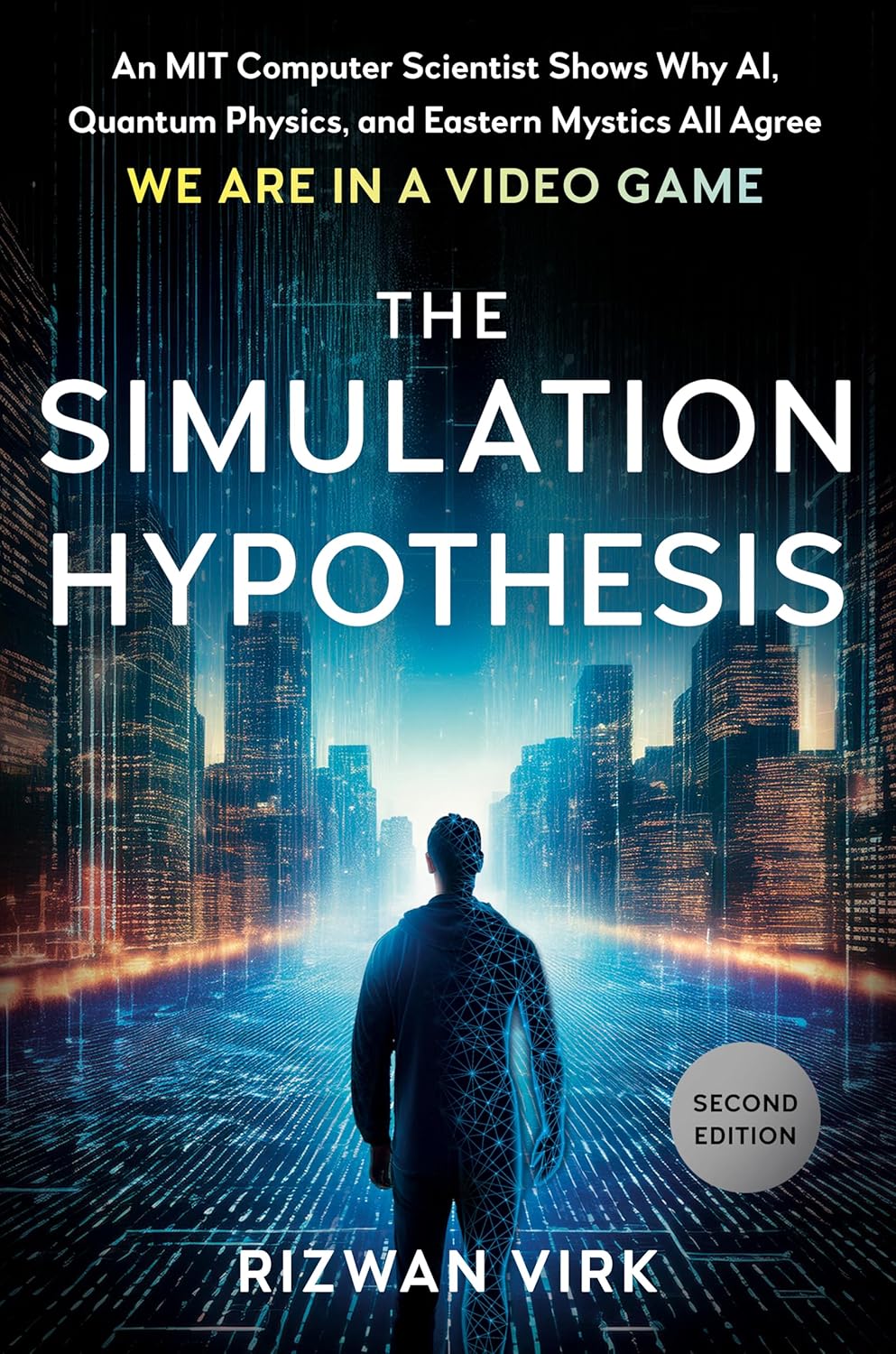
An MIT computer scientist connects AI, quantum physics and video games to take an uncomfortable question seriously: what if we live in a simulation? M
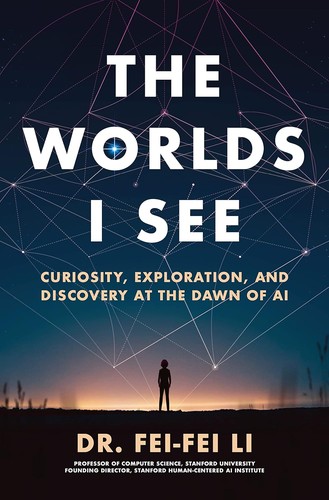
The memoir of the creator of ImageNet, the scientist who made the deep learning revolution in vision possible.
As an Amazon Associate, Zendoric earns from qualifying purchases; the price does not change for you. · all our recommended books →
🔗 Related on Zendoric
- AI glasses in exams: when cheating beats the top 5 of the class, the assessment system has a bigger problem · 2026-06-28
- When Dr. Google becomes Dr. ChatGPT: a family doctor's diagnosis of the 'symptom checker' · 2026-07-02
- A student prototype in Bengaluru points to AI's next frontier: everyday nutrition · 2026-07-04