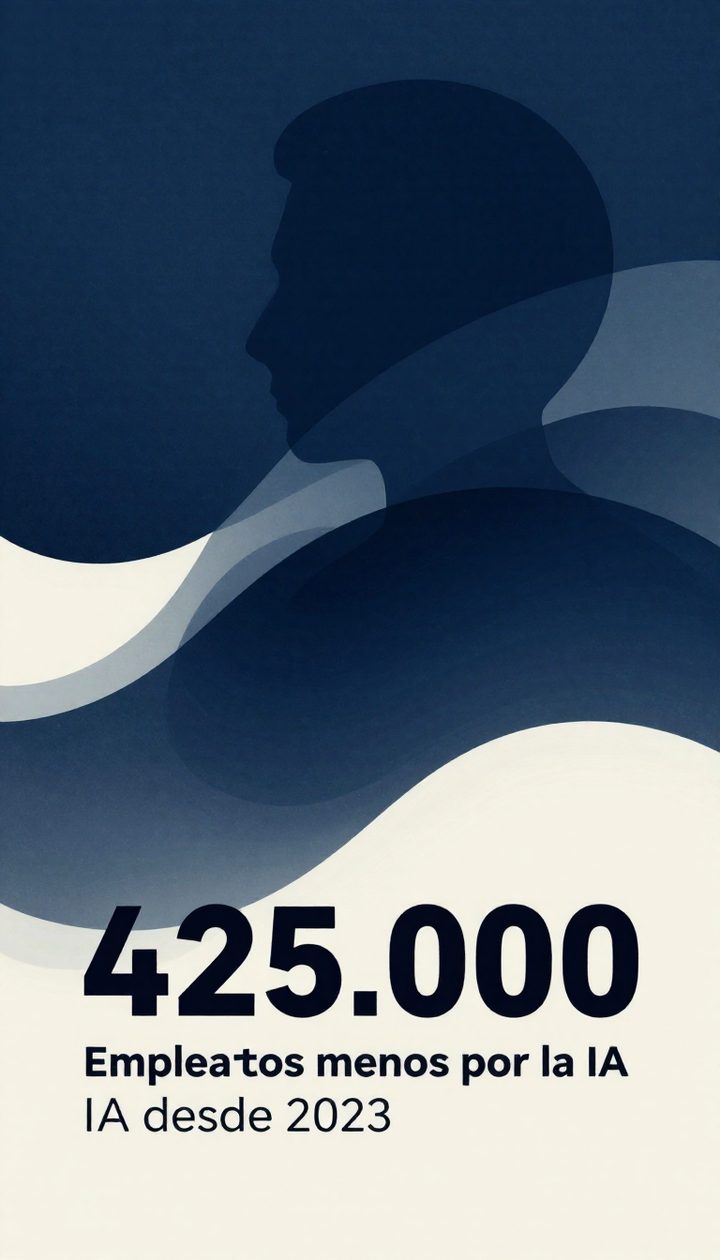
425,000 fewer jobs due to AI since 2023: the ILO puts exposed jobs at 1 in 4
🕒 Published on Zendoric: July 22, 2026 · 01:59
✨ AI-generated · how it's made
Studies cited by Perfil put job losses to AI at 425,000 since 2023, 142,000 of them in Europe. The ILO qualifies this: a quarter of the world's employment is exposed to generative AI, but most jobs will be transformed rather than disappear.
📚 Go deeper
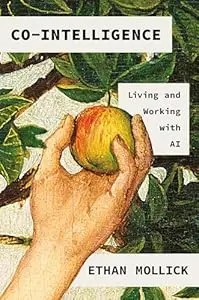
The best starting book if you're not technical: a Wharton professor explains how to work WITH AI — when to delegate, when to supervise, when to keep i
As an Amazon Associate, Zendoric earns from qualifying purchases; the price does not change for you. · all our recommended books →
By Zendoric · July 22, 2026.
The figure making the rounds this week is stark: some 425,000 jobs lost since 2023 due to the advance of artificial intelligence, according to studies cited by the Argentine newspaper Perfil, 142,000 of them in Europe and with the United States as the visible epicenter of the phenomenon. The article does not identify the primary study behind that aggregate figure, so it is best taken as an indication of a trend rather than a settled and verifiable data point.
More solid is the framework provided by the International Labour Organization (ILO): roughly one in four workers worldwide performs tasks potentially exposed to generative AI. The nuance matters as much as the figure. The ILO does not speak of mass replacement but of task transformation: automation absorbs the repetitive and low-value work, while people shift toward supervision, analysis, judgment and dealing with customers. The profiles flagged as most exposed —administrative assistants, call center operators, bank and postal employees, cashiers, translators— are precisely the ones we have been documenting for months in our sector series: the administrative back-office is the most fragile layer in banking, insurance, law and business management, while expert judgment, customer relationships and in-person work hold up better.
The article also picks up an idea from Jeff Bezos, who argued that AI will make it possible to discover new problems to solve and, with them, products, services and jobs that do not exist today. It is a reasonable intuition, consistent with what has happened in every previous technological wave, but it is worth treating it for what it is: a bet by an actor with a direct interest in technological optimism, not a measured fact. History partly proves him right —the digital revolution wiped out telephone operators and typists and created data analysts and UX designers— but it does not guarantee that the pace of job creation will match that of destruction this time around, nor that the displaced profiles will be the ones to fill the new positions.
There lies, for us, the usual blind spot of these pieces: job loss is cited and the piece closes with the promise of reinvention, but it skips the uncomfortable part in between, which is who pays for the transition and with what safety net. A 50-year-old cashier displaced by a conversational system does not automatically become a risk analyst; they need reskilling, time and, often, support that today is not guaranteed in most markets, including the Argentine one from which this article is published.
Our reading is the one we have been maintaining in this same series: the short term is harsh and uneven, and there is no honest way to sugarcoat it. Routine and administrative work is losing ground fast, and that loss is already measured in hundreds of thousands of jobs, even if the methodologies vary. But the ILO framework confirms something relevant —most of the exposed jobs do not disappear, they get reshaped—, and that is consistent with Zendoric's underlying thesis: AI does not empty the labor market, it redistributes it toward critical thinking, creativity and the solving of complex problems, the very skills the article identifies as the ones companies will value most. If that reshaping is managed with serious investment in training —and not just with the argument that "it has always happened this way"—, the horizon of abundance we defend is achievable. If it is managed only with layoffs and rhetoric of resignation, the social cost of the transition will be greater than necessary.
📚 Go deeper
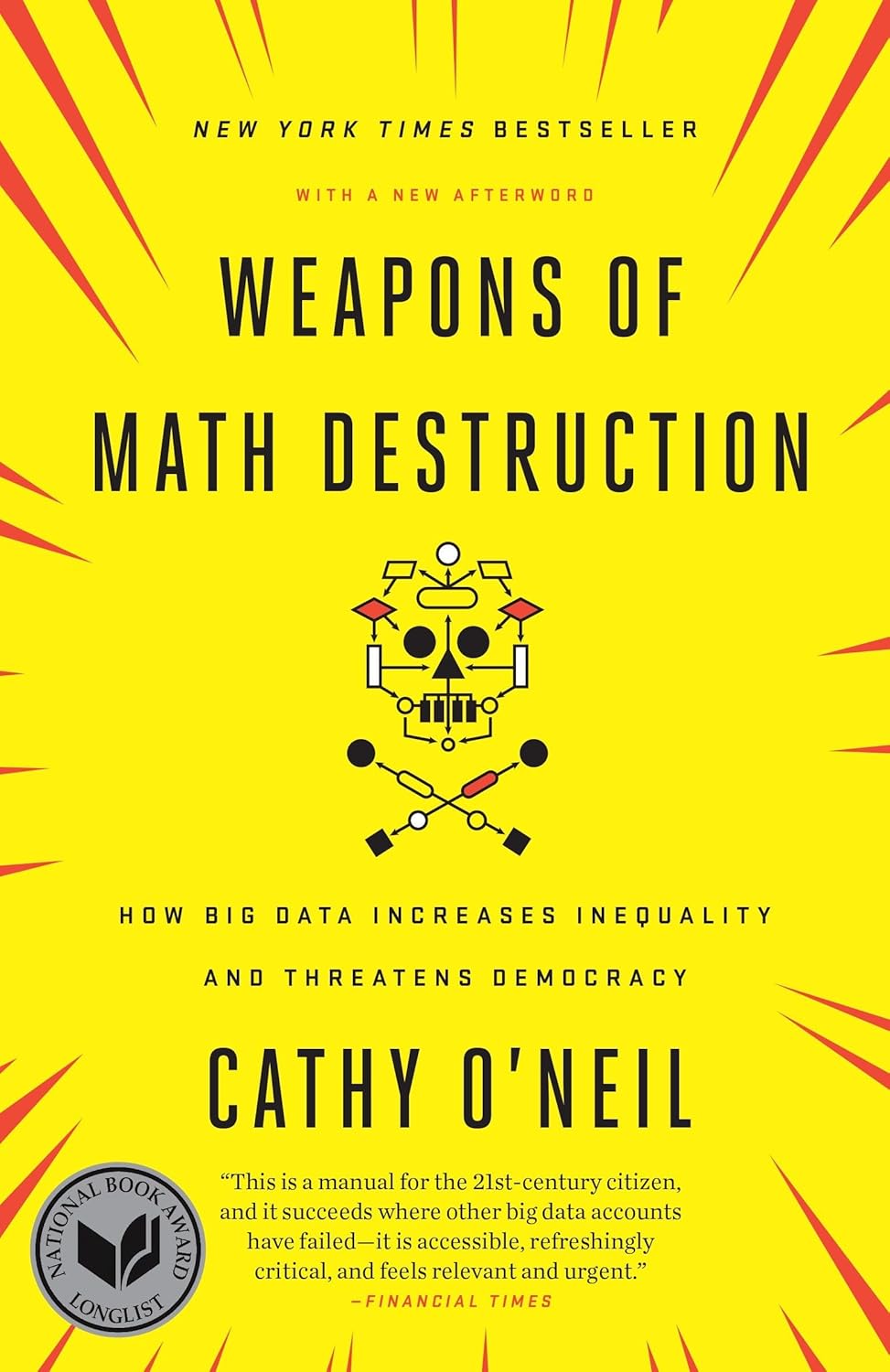
How opaque algorithms decide who gets credit, a job or parole — and why they tend to punish the same people.
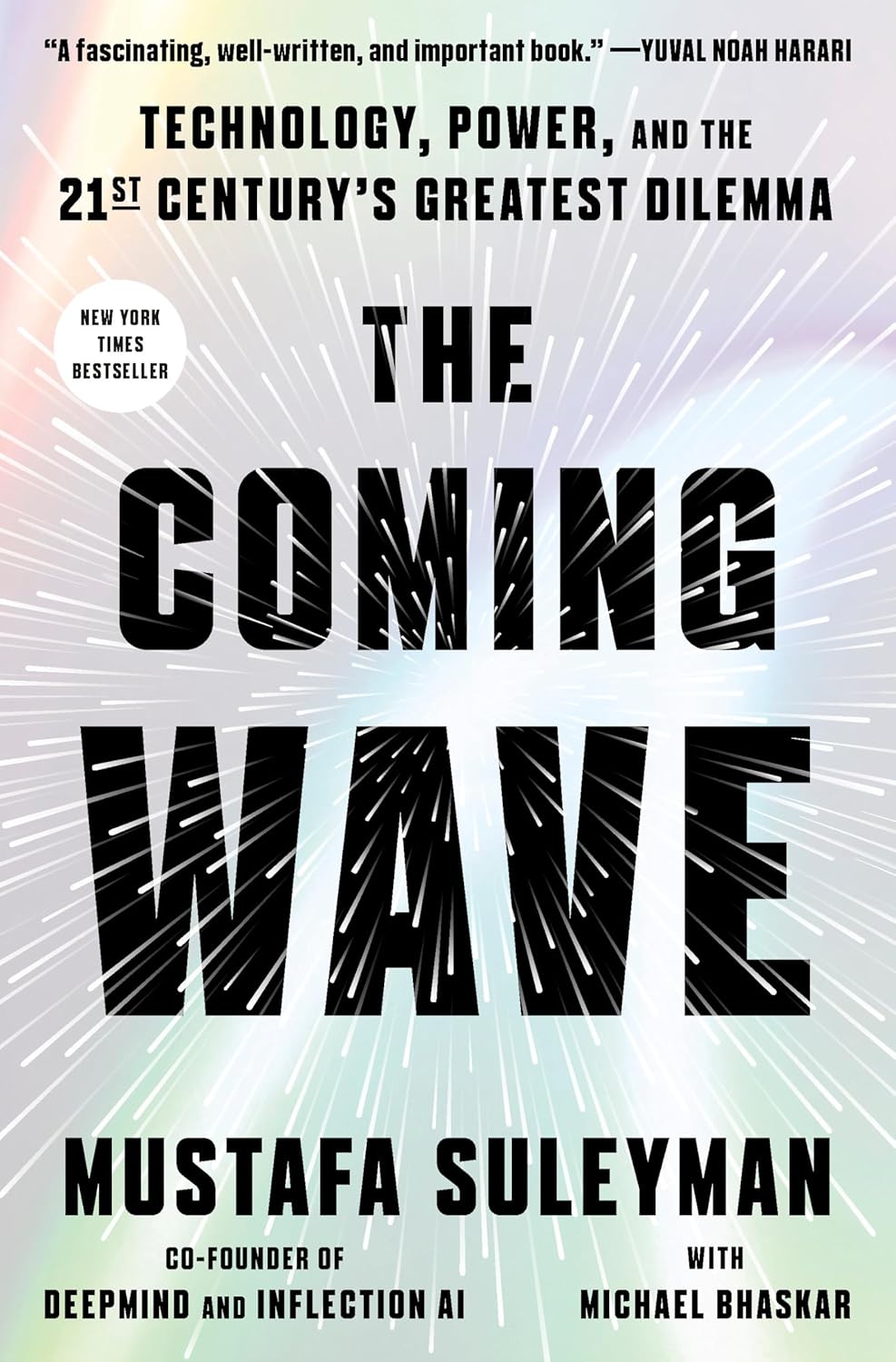
DeepMind co-founder on the dilemma of containing technologies that do not want to be contained.
As an Amazon Associate, Zendoric earns from qualifying purchases; the price does not change for you. · all our recommended books →
🔗 Related on Zendoric
- Agentic AI is already spooking insurers: Verisk studies excluding it from standard policies · 2026-07-11
- Junior employment in software development has fallen 20% since 2022: Stanford confirms AI is closing the entry door, not the paycheck · 2026-07-20
- Meta grows 26% with 15% fewer staff: AI-era efficiency is now a template, and the bill falls on workers first · 2026-10-26