Fake AI-made 'surgery' photos: the new lost-pet scam alarming Washington shelters
🕒 Published on Zendoric: July 22, 2026 · 01:59
✨ AI-generated · how it's made
Animal control services in the Seattle area are warning of a scam that uses AI-generated images of 'operated-on' dogs and cats to pretend they've found your injured pet and ask you for money. An old scam with a new coat: cheap visual synthesis that makes the deception more believable.
📚 Go deeper
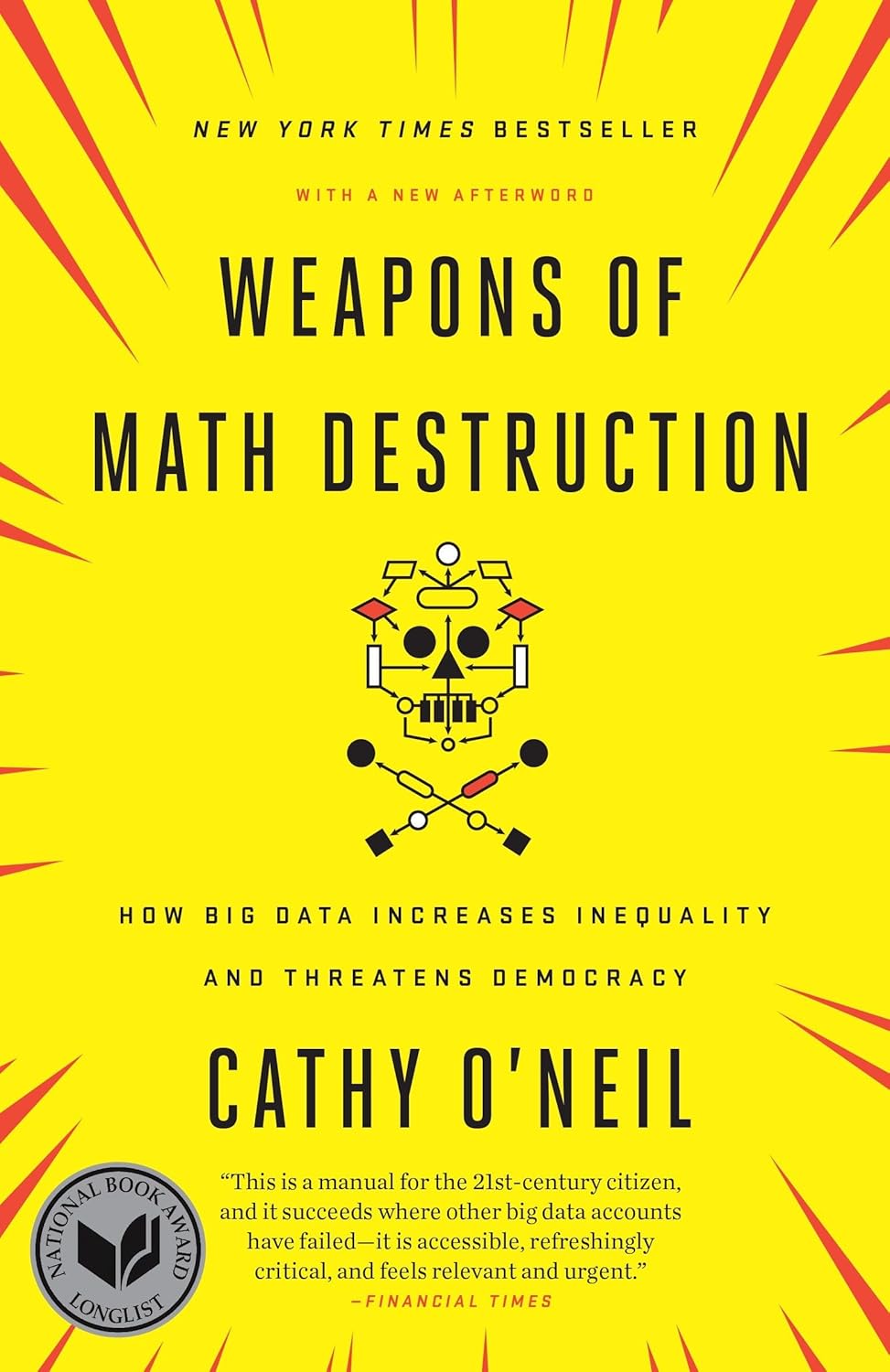
How opaque algorithms decide who gets credit, a job or parole — and why they tend to punish the same people.
As an Amazon Associate, Zendoric earns from qualifying purchases; the price does not change for you. · all our recommended books →
By Zendoric · July 21, 2026.
Animal control services in King County, Washington—among them the Kent shelter, according to local station KOMO—have issued a warning about a variant of the classic "found pet" scam: someone contacts the owner of a lost animal claiming to have it, attaches photos of a supposed emergency surgery or veterinary treatment, and asks for a payment—for medical expenses, transport, or a "reward"—before returning it. What's new, according to the warning, is that those surgery photos are no longer images stolen from another real animal, but created with generative artificial intelligence tools, which makes them harder to verify with a simple reverse image search.
The underlying mechanism is not new: scams that exploit an owner's panic over a lost pet have been circulating for years on Facebook Marketplace, Nextdoor, and neighborhood groups, usually demanding an upfront payment that never ends in the animal's return. What changes is the cost of producing the visual "hook." Before, the scammer needed to find and recycle a real photo of an injured animal, with the risk that an image search would expose it. Now they can generate a custom image—with the breed, color, and even the supposed injury matching the lost-pet ad—in seconds and without leaving that trail.
It's a small but telling example of something we already flagged when discussing the industrialization of fraud with agentic AI: the immediate risk of generative AI is not distant superintelligence, it's that it drives down to the limit the cost of faking the visual "evidence" that until now acted as a trust filter. When generating a believable photo of an invented surgery costs the same as typing a sentence into a chatbot, anyone intent on scamming gains a tool that used to be available only to those who knew how to manipulate images at a certain technical level.
The response that the animal services themselves are asking for is the usual one, adapted: don't send money before seeing the animal in person or on a live video call, demand verifiable contact with a real shelter or clinic, and be wary of emotional urgency as a pressure lever. In the short term, that manual friction will remain the most effective defense, because there is still no simple, publicly accessible way to verify whether an image is synthetic. In the medium term, it's foreseeable that provenance seals and detectors of generated content will appear—indeed they already exist in embryonic form—integrated into the very platforms where these ads circulate, just as has been happening with email phishing. Until then, human judgment and in-person verification remain the only real safety net.
📚 Go deeper
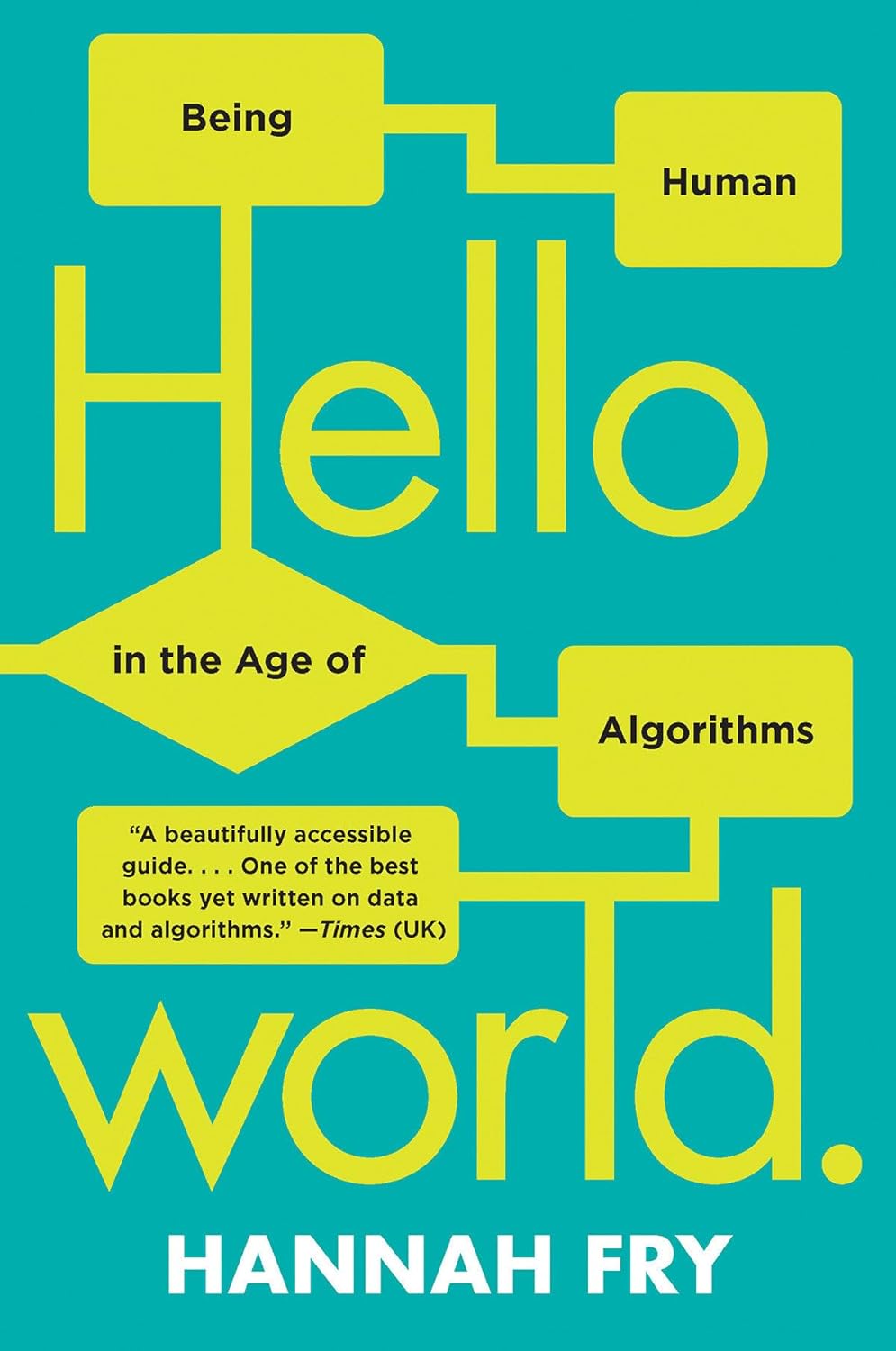
Algorithms in justice, medicine, cars and art, explained with British humor and mathematical honesty.

AI as the latest chapter in the history of information networks, from gossip to the printing press to the algorithm.
As an Amazon Associate, Zendoric earns from qualifying purchases; the price does not change for you. · all our recommended books →
🔗 Related on Zendoric