Florida could require its school districts to set their own rules on AI in the classroom

🕒 Published on Zendoric: July 22, 2026 · 01:59
✨ AI-generated · how it's made
Florida's department of education is weighing requiring each school district to draft its own artificial intelligence usage policies, according to the Sun Sentinel. The move would push down to the local level a decision that until now has been left to each school or teacher.
📚 Go deeper
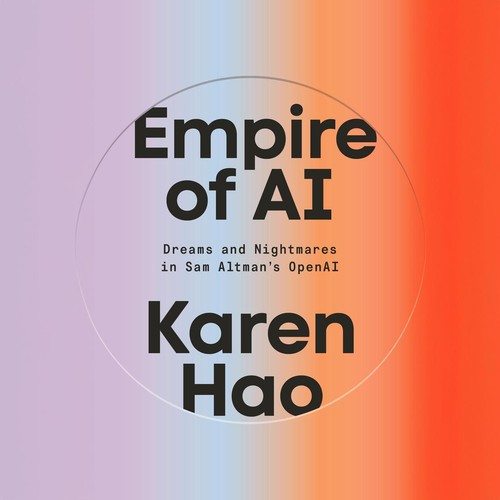
The definitive piece of investigative journalism on OpenAI: 260+ interviews, the clash between safety and speed, and the attempted firing of Sam Altma
As an Amazon Associate, Zendoric earns from qualifying purchases; the price does not change for you. · all our recommended books →
By Sun Sentinel · July 21, 2026. Florida's Department of Education is considering requiring the state's school districts to establish their own rules for the use of artificial intelligence, as the Sun Sentinel has reported. The outlet does not yet detail the timeline, the exact scope of the requirement, or whether it will come with minimum statewide guidelines or leave the full design in each district's hands.
The story, as available, is brief: it points to the direction of the regulatory move but offers no figures on the number of districts affected, effective dates, or statements from officials. Any reading beyond that would be speculation, so we prefer to be precise about what we know and what we don't.
What is a documented fact in most U.S. states is the regulatory vacuum that public education has been dragging along since ChatGPT and similar tools entered classrooms several school years ago now. Teachers, students, and families have long been operating with informal rules or none at all: each school decides on its own what is allowed and what counts as cheating, with criteria that vary from one classroom to another within the same school.
That it is the district level—and not the state or the individual school—that would receive the mandate to set policy is a meaningful design decision. A large district like Miami-Dade or Broward has the technical and legal capacity to draft reasonable rules; a small one with fewer administrative resources may end up copying generic templates or falling short. If Florida moves in this direction without providing minimum guidelines or resources to the smaller districts, the predictable result is even greater fragmentation: an educational map with radically different AI rules from one county to another within the same state.
In general, the lack of clear standards on AI in education is one of the fronts where the short term weighs more than the long term: as long as there are no coherent frameworks, the uncertainty falls above all on teachers, who must decide case by case, and on students, exposed to arbitrary assessment criteria depending on the classroom they land in. It is a concrete governance problem, not one of technology itself.
In the long run, however, having clear and consistent rules is precisely what allows AI to deliver on its promise in the classroom: personalized tutors that adapt to each student's pace, freeing up teaching time for the human support no machine can replace, and access to quality educational support for those who cannot afford it today. That transition, though, first requires solving the boring but essential part: who decides the rules, how they are enforced, and who is accountable if something fails. Stories like Florida's are, at bottom, the ground on which that preliminary battle is fought.
📚 Go deeper

AI as the latest chapter in the history of information networks, from gossip to the printing press to the algorithm.
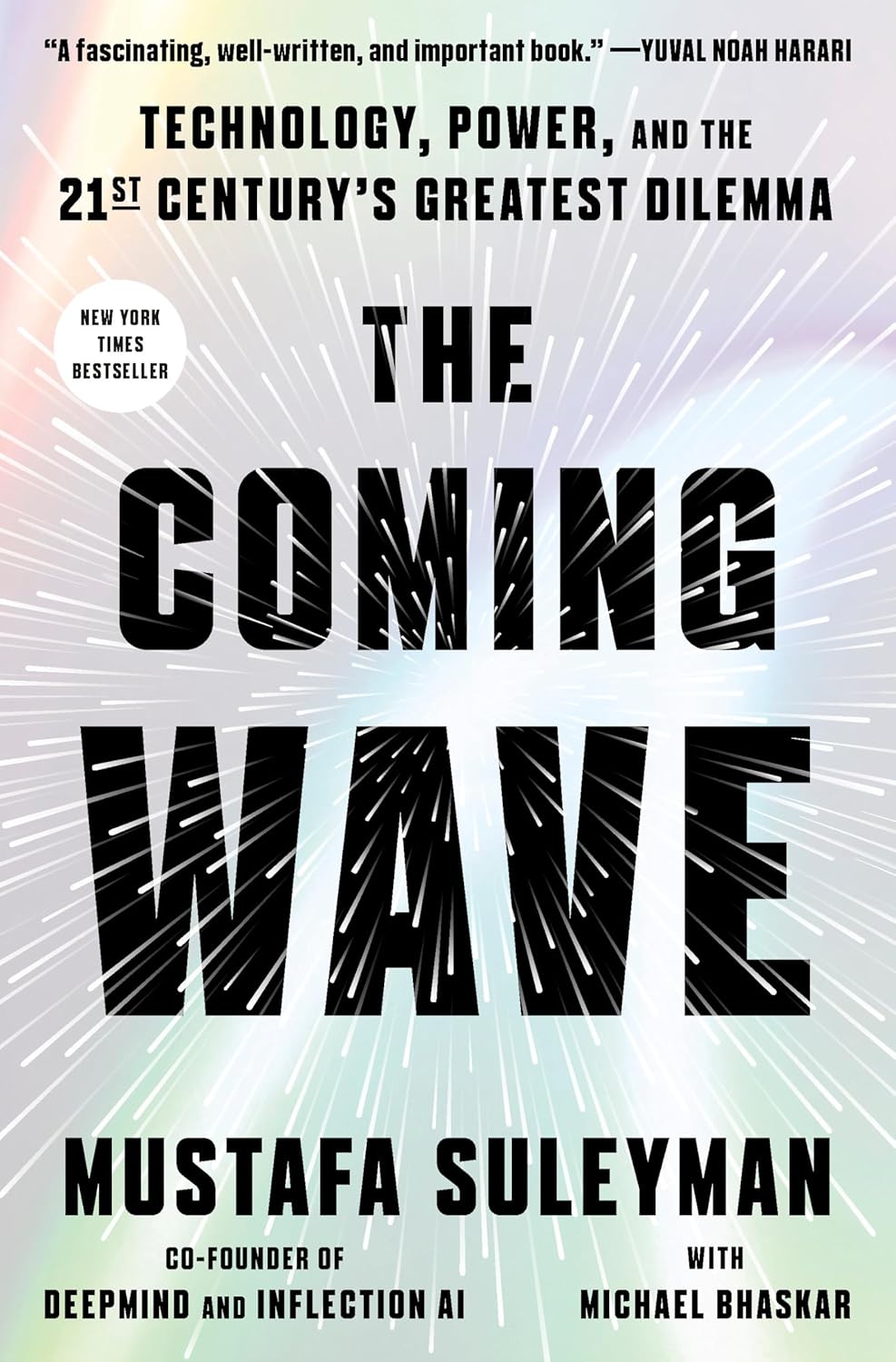
DeepMind co-founder on the dilemma of containing technologies that do not want to be contained.
As an Amazon Associate, Zendoric earns from qualifying purchases; the price does not change for you. · all our recommended books →
🔗 Related on Zendoric
- Rock Hill puts its house in order before the school year: why revising AI policy is now a matter of school governance · 2026-06-24
- Teaching AI by law: Mexico wants algorithmic ethics in the classroom before the chaos · 2026-07-13
- NYC starts the school year with no AI rules: the largest city in the US tests how to tame artificial intelligence in the classroom · 2026-09-02