Dorsey unveils Buzz, an open-source Slack with native AI: the fight is over where agents will live
🕒 Published on Zendoric: July 22, 2026 · 01:59
✨ AI-generated · how it's made
Jack Dorsey and Block launch Buzz, a free, open-source chat app that brings employees, AI agents and GitHub projects into the same window. Its own creators warn: it's still an early version, not suitable for migrating teams already settled on Slack.
📚 Go deeper
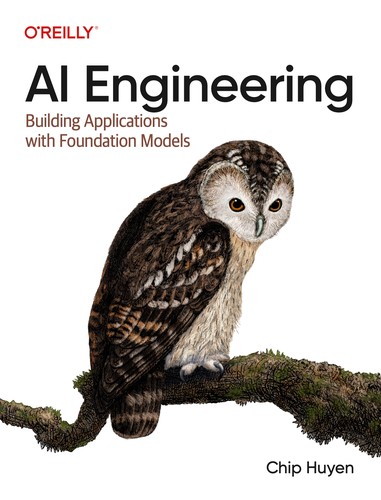
The reference manual for building products on top of AI models: prompts, RAG, fine-tuning, agents, evaluation and deployment.
As an Amazon Associate, Zendoric earns from qualifying purchases; the price does not change for you. · all our recommended books →
By Zendoric · July 21, 2026.
Jack Dorsey unveiled Buzz on July 21, a group-chat platform developed by Block —the parent company of Square, Cash App, Afterpay and Tidal— that brings human teams, artificial intelligence agents and GitHub-hosted projects together in a single space. The desktop app is already available to download for free on macOS, Windows and Linux, and its code is published on GitHub. As TechCrunch reports, the team itself warns that the product is in its "early stages," a caveat that carries as much weight as the announcement itself.
Dorsey describes it with four adjectives that are, in reality, a statement of intent: model-agnostic, decentralized, self-hostable and open source. In other words, no AI provider is imposed by design, every organization can host its own data, and any developer can audit or modify the code instead of waiting for Slack or Microsoft to add a feature. It is the same argument —data sovereignty, zero licensing cost, technical control— that has been gaining ground with China's open models over Silicon Valley's closed ones.
What is interesting is not so much the messaging as the underlying premise: agents cease to be an external plugin and become full-fledged members of a channel, able to receive instructions within the same thread where people coordinate a task or review a pull request. It is a shift in category compared with classic corporate chat, designed for human workforces, and it foreshadows a problem the article still has no clear answer to: who supervises an agent operating with the same permissions as a colleague, and what access and information controls govern that coexistence.
Buzz does not arrive alone. Georgios Konstantopoulos, partner and chief technology officer at Paradigm, recently presented Centaur, an open-source "virtual employee" that, rather than replacing Slack, installs inside Slack or connects via API. They are two opposing bets on the same question: whether the future of working with AI is built by extending the tools teams already use, or by creating new spaces designed from scratch for people and machines to coexist. That dispute recalls another we have already analyzed at Zendoric regarding Google and Microsoft: the game is no longer played solely over who has the smartest model, but over who controls the "plumbing" through which daily work flows —the chat, the repository, the integration— because that is where it is decided which AI provider a company actually ends up using.
Block lends Buzz real corporate backing, but the article does not confirm that the company itself has migrated its internal teams to the platform, which is telling: not even its creators yet trust the product to replace their usual tools. The implicit recommendation —don't move teams already settled into Slack, but do evaluate it if you are a startup without that baggage— is an honest example of how AI is adopted in the real world: with caution, not euphoria. Open source lowers the barrier to entry, but on its own it does not replace the maintenance, documentation and support that sustain an established tool.
Our reading is that Buzz matters less as a finished product than as a symptom. More and more companies —from Block to Paradigm— are betting that the next great collaboration platform will not separate people and agents into different tabs, but will seat them at the same workbench. That is precisely the kind of short-term friction we had been anticipating: reorganizing how work is coordinated, redefining permissions and supervision, and accepting immature tools while they are refined. But it also points to the horizon we defend: the more routine coordination tasks agents take on within the workflow itself, the more room there is for people to focus on judgment, relationships and the decisions that truly require human judgment. Buzz's promise is still far from being fulfilled; the trend it represents is not.
📚 Go deeper
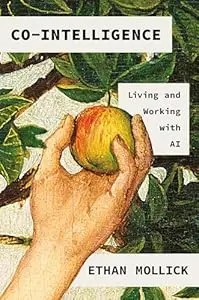
The best starting book if you're not technical: a Wharton professor explains how to work WITH AI — when to delegate, when to supervise, when to keep i
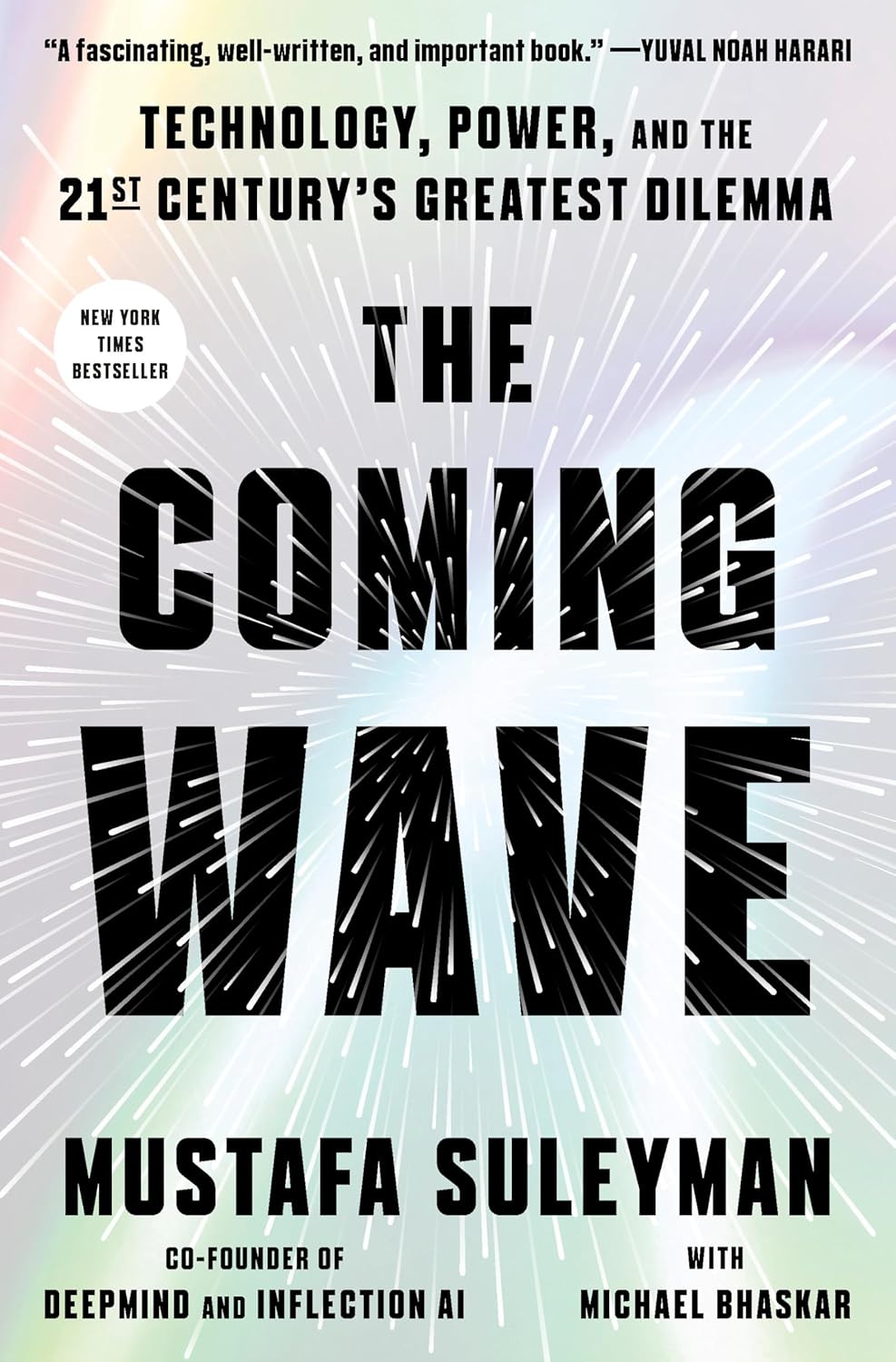
DeepMind co-founder on the dilemma of containing technologies that do not want to be contained.
As an Amazon Associate, Zendoric earns from qualifying purchases; the price does not change for you. · all our recommended books →
🔗 Related on Zendoric
- A single ChatGPT link was enough to slip in an infiltrated AI agent with your employee permissions · 2026-07-25
- Meta drops Google Chat for Slack so its employees can use AI agents, even its rivals' · 2026-09-04
- Hotmart tests the abundance thesis: AI agents that sell and collect payments for the creator · 2026-07-02