Google prepares a chip up to 10 times more efficient for Gemini and calms Wall Street ahead of earnings
🕒 Published on Zendoric: July 21, 2026 · 00:20
✨ AI-generated · how it's made
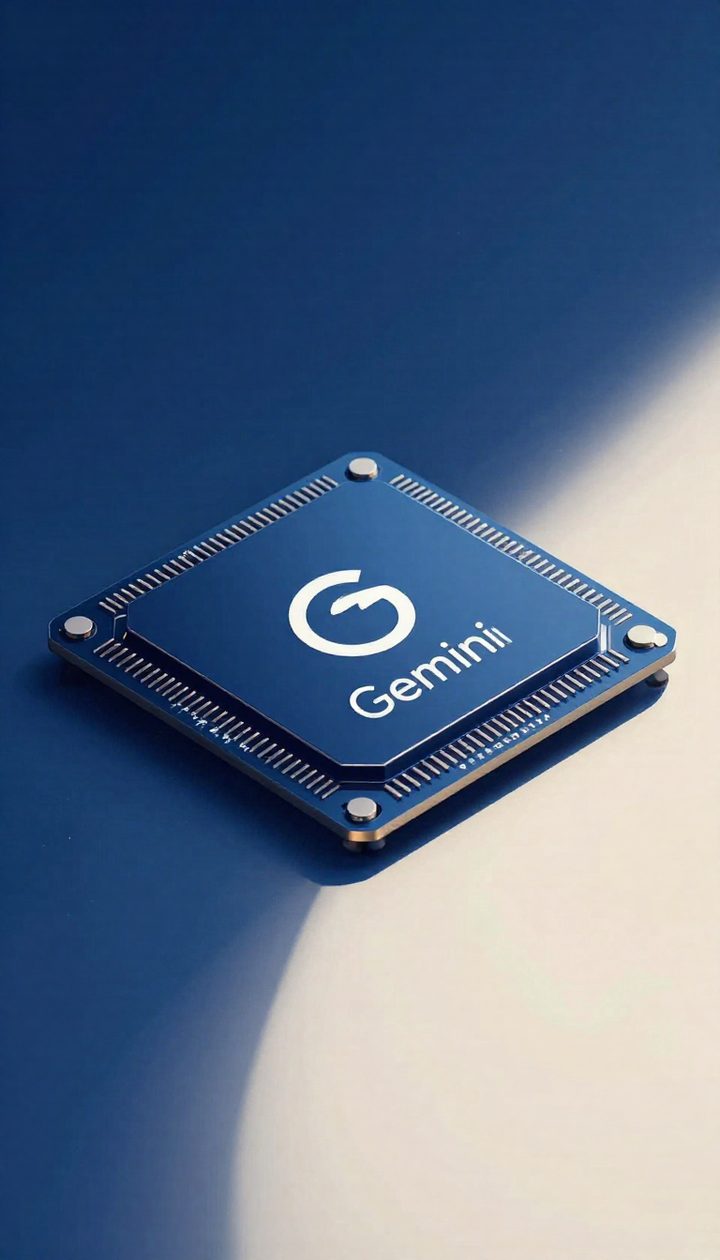
Alphabet is developing 'Frozen v2', a new server chip that, according to The Information, could multiply the energy efficiency of its Gemini models by six to ten times. It will arrive in 2028, Google neither confirms nor denies it, and its stock already rose 3% on the rumor alone.
📚 Go deeper
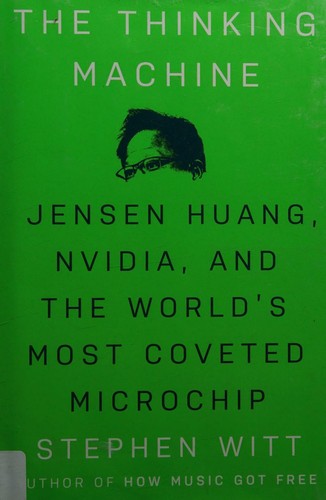
The story of NVIDIA and Jensen Huang: how a video-game card company ended up making the most coveted resource on the planet.
As an Amazon Associate, Zendoric earns from qualifying purchases; the price does not change for you. · all our recommended books →
By TechCrunch · July 20, 2026.
Alphabet is designing a new server chip, internally dubbed "Frozen v2," intended to make its Gemini models run much more efficiently. According to The Information, citing anonymous sources, the chip would arrive sometime in 2028 and could be six to ten times more efficient than Google's current AI chips, measured in tokens generated per unit of energy consumed (that is, how much AI "work" the company gets for every watt spent). Asked about this by TechCrunch, Google did not confirm the report, but didn't deny it either: it simply said its teams "constantly research and experiment with new innovations" and that not every project reaches production.
The relevant detail isn't just technical, it's financial: after the report was published, Alphabet's stock rose nearly 3% on Monday, just days before the company reports earnings this week. Google has already announced plans to spend between $180 billion and $190 billion on its AI infrastructure, a figure that has unsettled investors worried about whether that colossal spending will ever pay off. An efficiency rumor, with no official confirmation and not a single real production figure, was already enough to reassure the market. That speaks as much to investor appetite for good efficiency news as it does to the fragility of the current narrative around AI spending.
As sector context, Google is not alone in this race to build proprietary chips. OpenAI unveiled its first in-house chip in June, an inference processor (the chip that runs an already-trained model, as opposed to training it) called Jalapeño. Earlier this month it emerged that Anthropic is negotiating a chip manufacturing partnership with Samsung. The pattern is clear: the big AI players want to stop depending on Nvidia, which for years has dominated the AI chip market and has left its biggest customers tied to its prices and production schedule.
This connects to something we've already pointed out at Zendoric when analyzing AI infrastructure financing: the scale of capital being deployed (multi-billion-dollar compute megadeals, valuations in the hundreds of billions) forces us to look beyond the headline and ask how it's all sustained. Here the underlying message is different but related: if you control your own hardware, you not only save on the Nvidia bill, you also control the pace at which cost per token falls—the metric that ultimately decides who can afford to offer cheap AI and who can't.
Our take is that energy efficiency has become the new competitive battleground, ahead even of who has the smartest model. With data centers increasingly hitting physical limits on power supply, a chip that performs the same with a fraction of the energy isn't a cosmetic improvement: it's the difference between being able to scale the service or being constrained by the power grid. Google calls this its "full stack approach"—that is, designing hardware and software together from the start instead of buying generic chips and adapting the software afterward. It's the same logic behind Apple designing its own processors: whoever controls the silicon controls the margins.
In the short term, this race for proprietary chips carries an obvious cost: billions in design and research that will take years to pay off, with "Frozen v2" still two years away and no guarantee it will ever reach production, as Google itself acknowledges. It also toughens competition against smaller players, who do depend on Nvidia and lack the capital or scale to replicate this path—a pattern of technological and industrial power concentration among a handful of giants that we've already noted in other pieces.
In the long run, however, this is exactly the kind of quiet progress that supports the abundance thesis: every leap in energy efficiency per token makes AI cheaper for everyone, brings closer the day when running powerful models costs a fraction of what it does today, and frees up computing capacity for health research, science and useful automation—not just chatbots. The race for the most efficient chip isn't as visible as launching a new model, but it's the one that decides whether AI becomes cheap and ubiquitous or remains a luxury for those who can afford the power bill.
📚 Go deeper
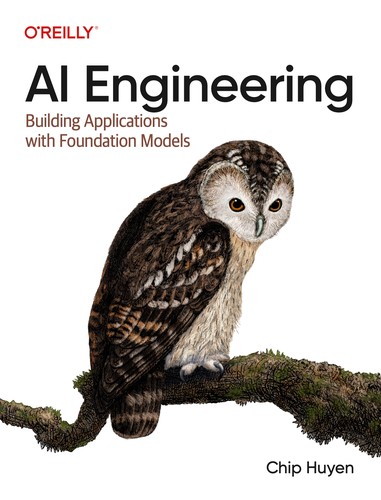
The reference manual for building products on top of AI models: prompts, RAG, fine-tuning, agents, evaluation and deployment.
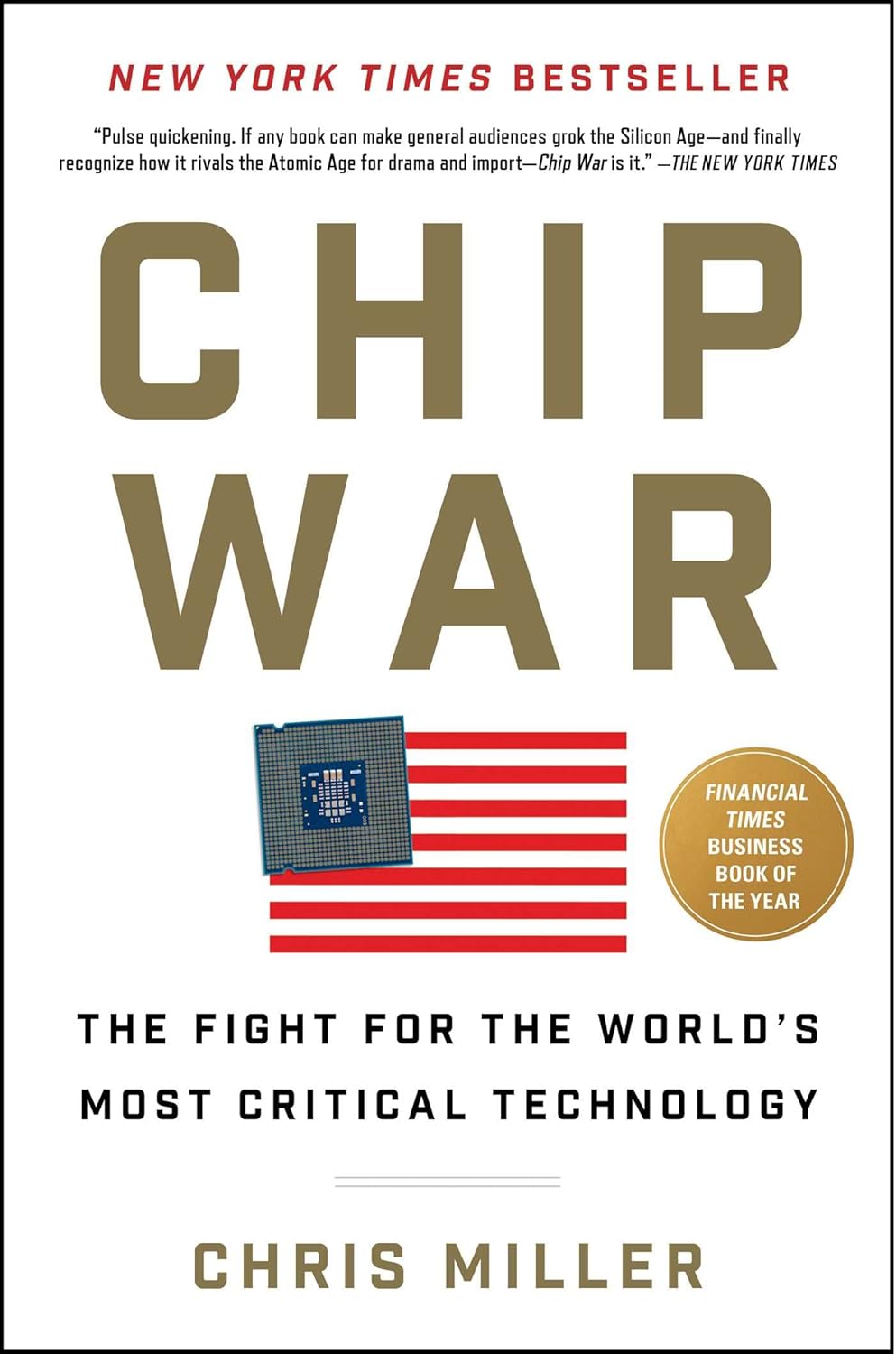
Semiconductors as the oil of the 21st century: history, espionage, and why an island of 23 million people underpins the entire AI economy.
As an Amazon Associate, Zendoric earns from qualifying purchases; the price does not change for you. · all our recommended books →
🔗 Related on Zendoric
- Google rations Meta's access to Gemini: AI demand overwhelms even the giant's infrastructure · 2026-06-28
- Google prioritizes efficiency with Gemini 3.6 Flash, 3.5 Flash-Lite and the specialized 3.5 Flash Cyber model · 2026-07-23
- Google launches cheaper Gemini 3.6 Flash and 3.5 Flash-Lite, and adds a model dedicated to cybersecurity · 2026-07-23