A medical framework puts the patient ahead of savings in the hospital AI race

🕒 Published on Zendoric: July 21, 2026 · 00:20
✨ AI-generated · how it's made
Two doctors from UVA Health and Clemson publish a framework—'Total Mission Value'—for hospitals to evaluate AI by its clinical and human impact, not just price. It's an attempt to bring judgment to an adoption process that's advancing faster than the tools to assess it.
📚 Go deeper
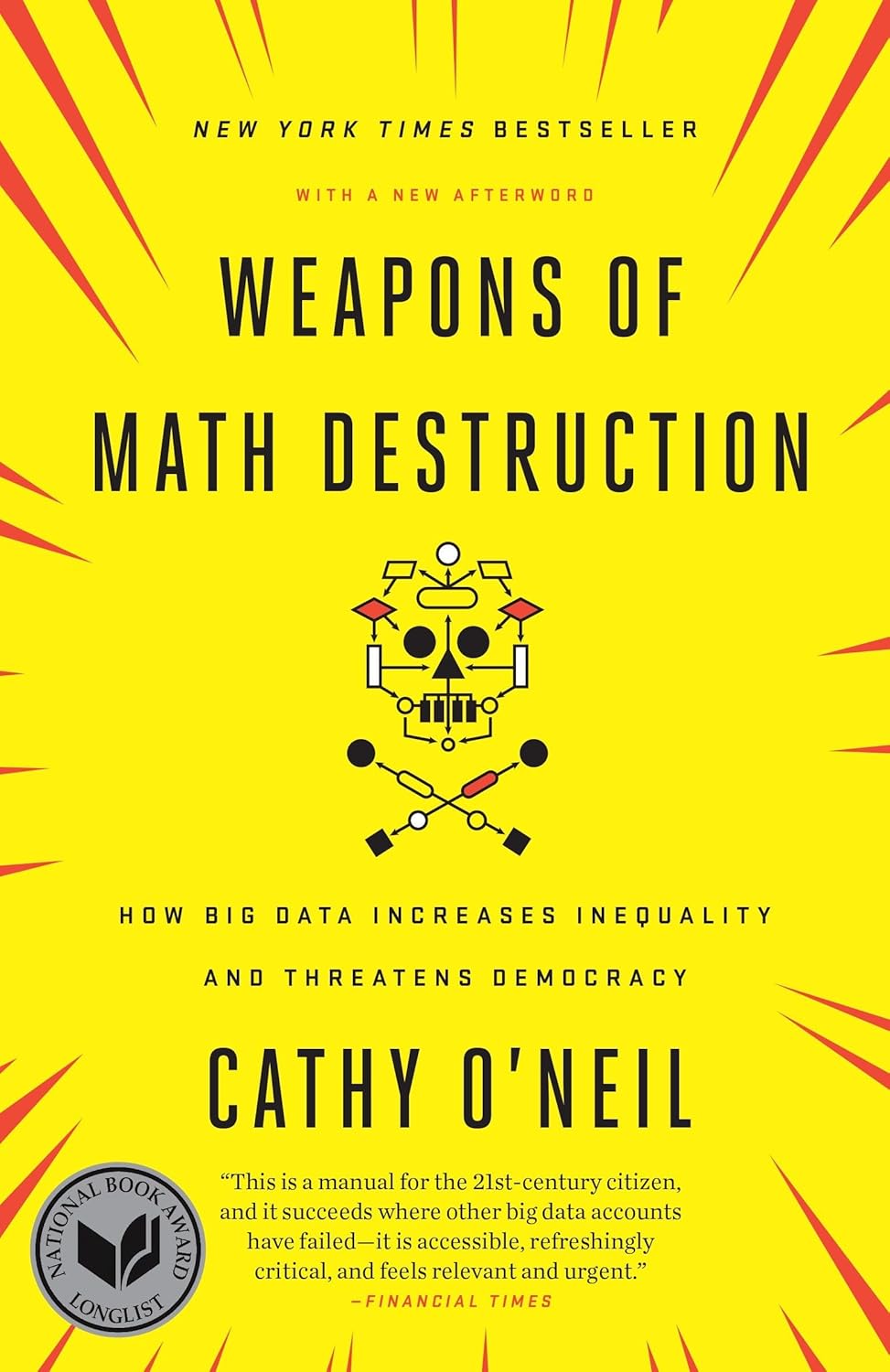
How opaque algorithms decide who gets credit, a job or parole — and why they tend to punish the same people.
As an Amazon Associate, Zendoric earns from qualifying purchases; the price does not change for you. · all our recommended books →
By Zendoric · July 21, 2026.
An emergency room physician at UVA Health, R. Andrew Taylor, and a Clemson researcher, Arwen B.L. Declan, have published a framework called 'Total Mission Value' in the scientific journal npj Digital Medicine (open access) for deciding which artificial intelligence tools are worth adopting in a hospital. As the authors themselves explain, most healthcare organizations evaluate AI mainly on cost, "because cost is the easiest thing to measure," in the words of Taylor, deputy director of research and innovation in the University of Virginia's emergency medicine department.
The framework proposes a pyramid with patient care at the top, resting on a base of ethics and sustained by economic sustainability. Below that apex they place five criteria an AI should meet: patient care, clinical staff experience, hospital operations, economic impact, and contribution to education and research. The underlying idea, the authors say, is that technology should support the healthcare professional in their mission, not replace them or add to their workload.
The most honest part of the approach is that Declan and Taylor don't sell AI as a flawless solution. In their own text they acknowledge that these tools "introduce risks of bias, opacity, workforce displacement, and erosion of the patient-clinician relationship that are invisible to cost-focused analyses alone." That's an unusually candid admission in the discourse around technology adoption in healthcare, where enthusiasm for efficiency usually takes center stage. It's also worth noting, for transparency, that Taylor discloses having received funding from Beckman Coulter to evaluate a clinical decision algorithm (TriageGo) and serving as an advisor to VeraHealth — a detail worth keeping in mind when reading his recommendations, though it doesn't invalidate the underlying argument.
The context is the one we've already described in our sector analysis of healthcare: in-person care, therapy, and long-term care are, for now, the most resistant to automation, while administrative back-office work — records management, scheduling, part of documentary triage — is the first thing AI reorganizes. This framework isn't here to stop that trend, but to keep hospitals from adopting it blindly: it forces them to put on the table, alongside savings, what happens to patient trust and to the staff who work with these tools day to day.
Our take is that frameworks like this matter more than their academic modesty suggests. AI in healthcare won't fail for lack of technical capability — diagnostic and triage models already perform at notable levels in controlled studies — but due to governance failures: poorly evaluated tools, purchased for their 'AI' label rather than evidence that they improve clinical outcomes. It's the same tension we see in other areas of applied AI: the value isn't in the model, it's in how it's integrated, measured, and held accountable. That it's clinicians themselves, not just technology vendors, setting the bar is a healthy sign.
In the long run, we remain convinced that AI in medicine points toward a drastic reduction in diagnostic errors, wait times, and cost of care, with real potential to move closer to eradicating diseases and enabling longer, healthier lives for more people. But that horizon is only reached if the short-term transition — with its labor friction and risks of bias and opacity — is managed with frameworks like this one, rather than resolved simply by buying the cheapest or best-marketed tool. The medical abundance AI promises isn't automatic: it has to be designed with the same ethics defended here.
📚 Go deeper
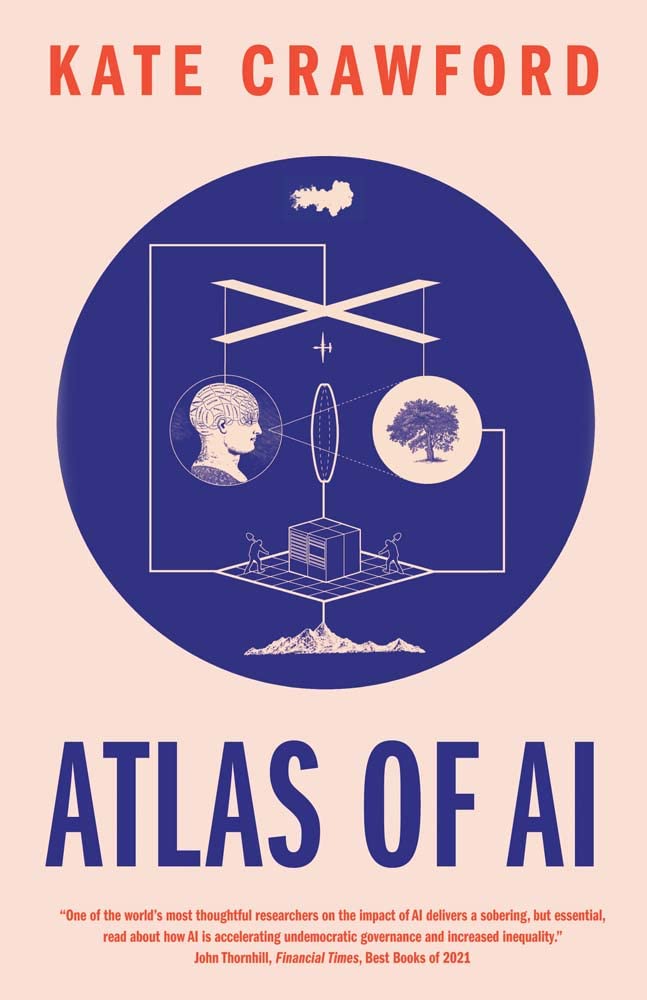
AI as an extractive industry: the lithium, the energy, the underpaid data-labeling work and the bodies behind the cloud.

The definitive piece of investigative journalism on OpenAI: 260+ interviews, the clash between safety and speed, and the attempted firing of Sam Altma
As an Amazon Associate, Zendoric earns from qualifying purchases; the price does not change for you. · all our recommended books →
🔗 Related on Zendoric
- What AI cannot do in medicine, according to the industry that lives off patient trust · 2026-09-02
- UT Austin is building its 2030 hospital with AI built in, but today it mostly uses it to lighten the medical paperwork · 2026-10-08
- UCSF Health tackles the real bottleneck in medical AI: fitting into the hospital, not existing · 2026-07-16