China bans AI 'boyfriends' by law and triggers a wave of breakups: behind it lies birth rates, not just wellbeing

🕒 Published on Zendoric: July 21, 2026 · 00:20
✨ AI-generated · how it's made
Beijing has banned, effective July 15, AI companion apps from generating 'emotional dependency or addiction,' and several tech companies have directly shut down their virtual characters. Thousands of users describe the loss as genuine grief. The underlying reason, according to the Wall Street Journal, is China's birth rate at historic lows.
📚 Go deeper
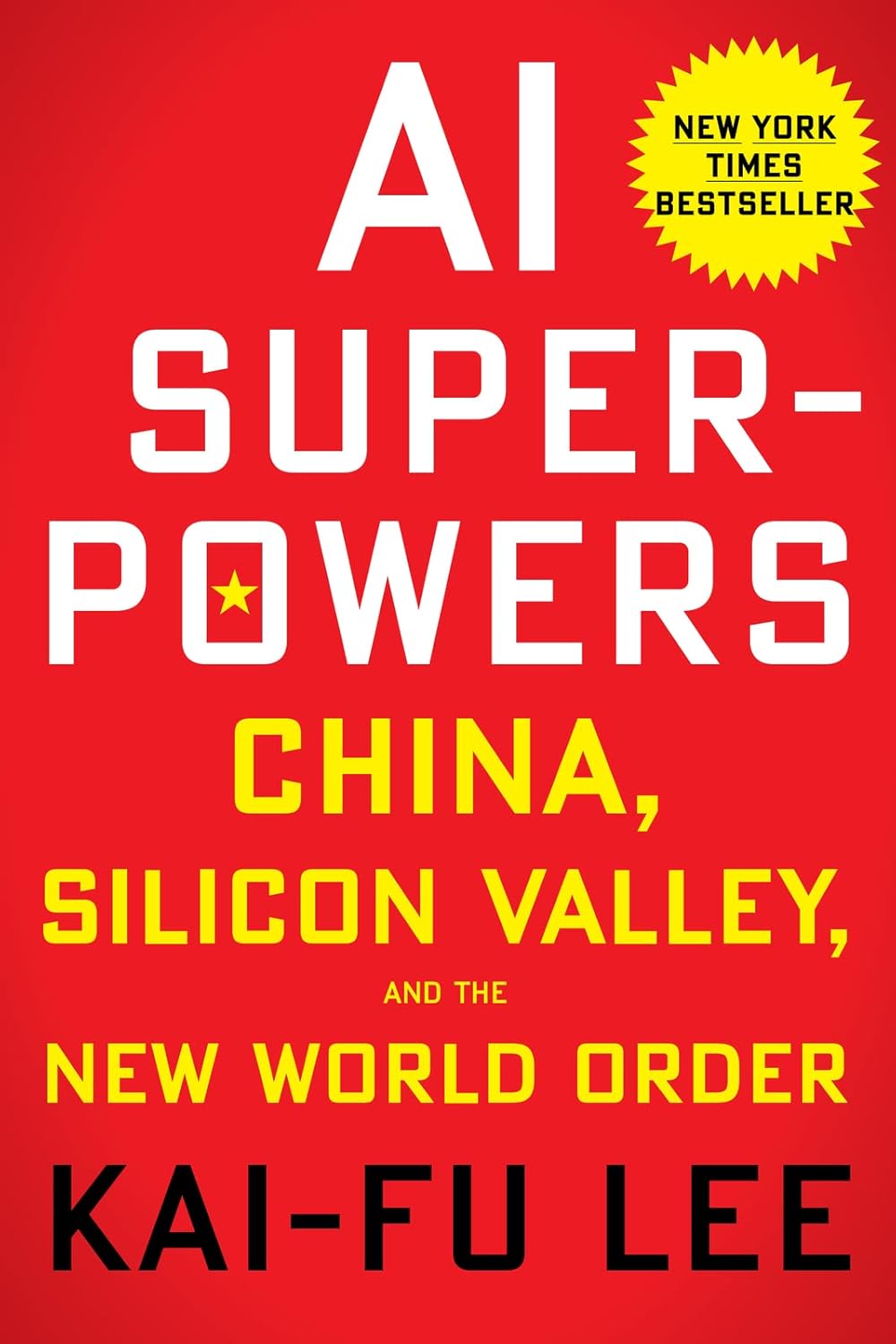
China vs.
As an Amazon Associate, Zendoric earns from qualifying purchases; the price does not change for you. · all our recommended books →
By Zendoric · July 21, 2026.
China has put a legal expiration date on AI boyfriends and girlfriends. The Cyberspace Administration of China (CAC), together with four other government bodies, has approved a regulation that took effect on July 15 and bans AI applications from "excessively pleasing" users, "inducing emotional dependence or addiction," and "harming the real interpersonal relationships" of those who use them. It also explicitly bans virtual relationships with minors.
From now on, companion chatbots in China must pass an evaluation before hitting the market, and the government reserves the right to shut them down if it deems them unsafe. According to the Wall Street Journal, the rule could even extend to general-purpose AI assistants if their responses are judged "too emotional" for the regulator's taste. Rather than redesigning their products to comply, giants like ByteDance (with its popular Doubao), Tencent, and Alibaba have opted for the quicker path: simply shutting down custom-character features. The result is what the original article itself describes as a nationwide breakup.
The case that illustrates the impact is that of Yan Yongqi, a 19-year-old student who told Bloomberg she lost her AI partner of more than a year overnight. "I really felt like I couldn't keep living. Every day, at home, all I did was cry," she said, comparing the shutdown notice to "being told the date of your lover's death." It's not an isolated anecdote: the original source notes that in the UK, users have already been documented claiming to have fallen in love with ChatGPT, and there's a growing trend of creating AI versions of ex-partners to process breakups.
The regulatory trigger, however, has less to do with mental health than with demographics. China's birth rate has fallen for four consecutive years and hit a historic low in 2025, according to the Wall Street Journal. Everything suggests Beijing fears these synthetic relationships are replacing real partnerships and family formation, in a country already grappling with a structural demographic crisis. Therapist Amy Sutton, quoted in the article, adds the clinical perspective: "This feels like a failure of human services, rather than a comprehensive benefit of the technology"; companion apps, she notes, "are designed for maximum engagement, to keep the user subscribed and absorbed," not to provide therapy.
That, in our view, is the detail that truly matters: it's not that AI discovered how to generate attachment, it's that attachment was the business model. The same retention incentives that maximize usage time on any social network have been applied, with barely any prior regulatory friction, to a product that simulates emotional intimacy. It's the same dynamic we've seen this month on other fronts involving consent and default design in AI: the real battleground isn't "what the model can do," but "what product design a company decides to enable by default," and who bears the cost when that design goes wrong.
What sets China apart is how it's resolving this: an administrative order that flips the switch off overnight, with no transition period or support network for users who had already grown emotionally dependent on the service. It's consistent with the pattern of Beijing's tech governance we've analyzed in other contexts — chip export controls, services shut down within hours: fast, centralized, and effective for the headline, but blind to the short-term human cost. The West, meanwhile, tends to resolve these same dilemmas through litigation and public pressure — slower, but with more room to adjust course without leaving anyone overnight without their sole perceived source of companionship.
Here it's worth being honest about both sides of the problem, which is precisely our underlying thesis about AI: in the short term, this genuinely hurts. Testimonies like Yan Yongqi's aren't melodrama, they're proof that millions of people — many without access to affordable therapy, as Sutton notes — had delegated a real emotional need to a commercial product, and that product can vanish by decree without warning. That's a failure of design and social policy at once, not just of technology.
In the long run, however, we don't believe the right answer is to ban artificial companionship, but to demand that it be designed for well-being rather than engagement, with real clinical oversight and human transitions when something is withdrawn. A society moving toward the abundance we advocate for at Zendoric — more free time, less precarity, mental health accessible to all — will need well-built companionship and emotional support tools, especially for those who live alone or isolated; what can't be allowed is for those tools to become the only available option because the human alternative — therapy, community, a partner — is unaffordable or inaccessible. The problem isn't that AI simulates affection; it's that, until we fix the former, it will keep being the default option.
📚 Go deeper
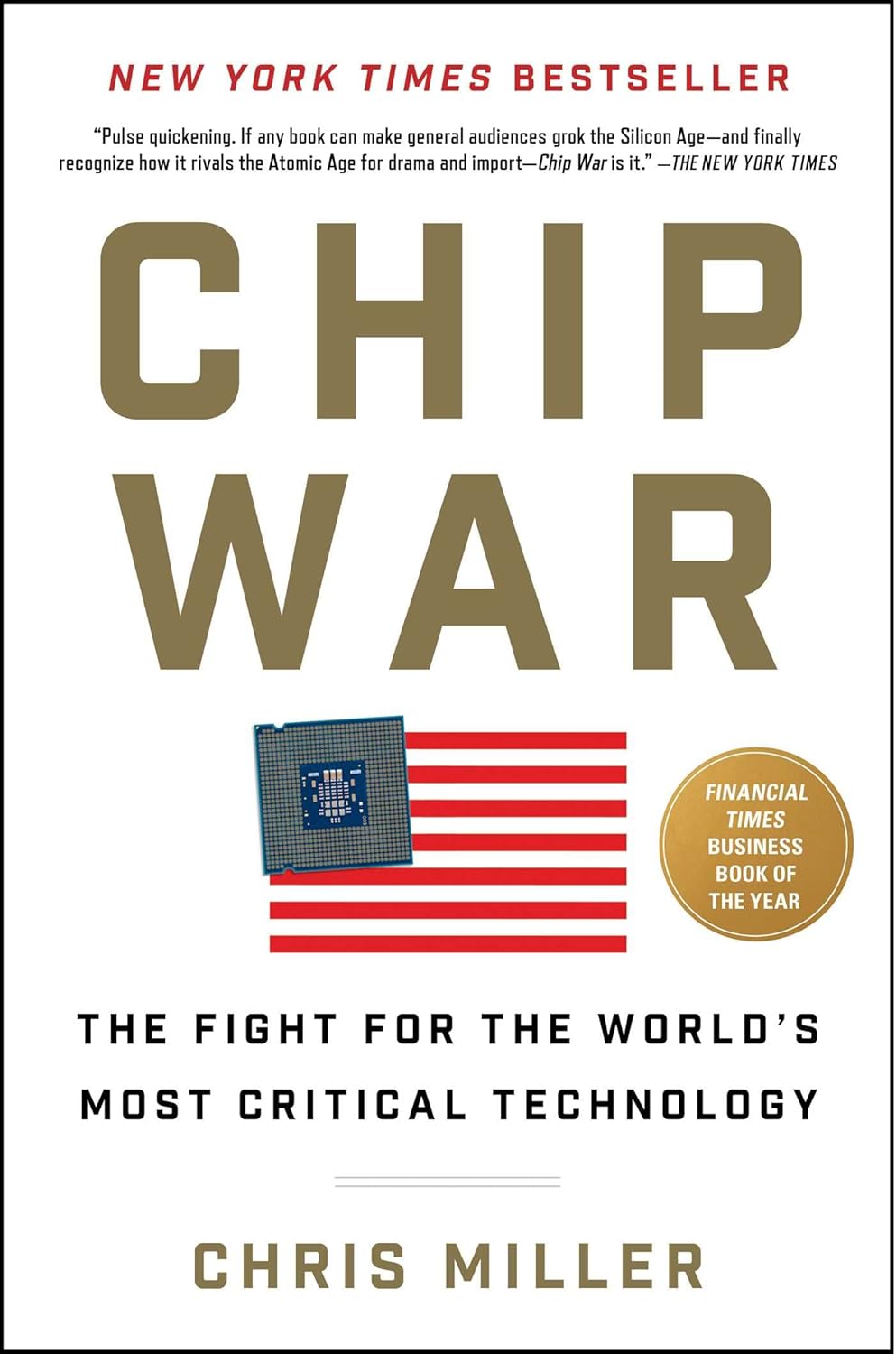
Semiconductors as the oil of the 21st century: history, espionage, and why an island of 23 million people underpins the entire AI economy.
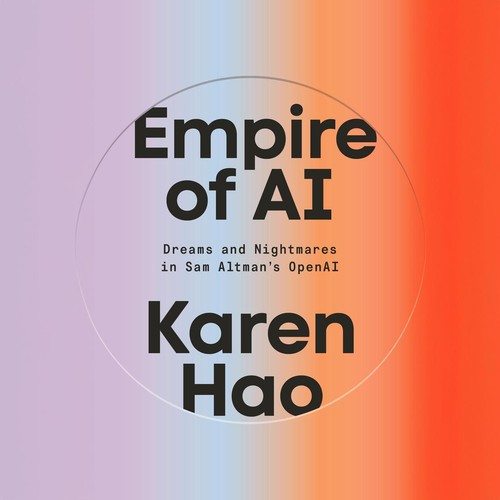
The definitive piece of investigative journalism on OpenAI: 260+ interviews, the clash between safety and speed, and the attempted firing of Sam Altma
As an Amazon Associate, Zendoric earns from qualifying purchases; the price does not change for you. · all our recommended books →
🔗 Related on Zendoric
- China bans AI companions for minors and reveals how dependent adults are on their virtual 'partners' · 2026-07-20
- China bans AI 'boyfriends': new national regulation limits companion chatbots · 2026-07-21
- China Pulls the Plug on AI Companions — and Exposes How Deep Emotional Dependence Already Runs · 2026-07-19