Apple sues OpenAI over theft of trade secrets, casting doubt on its hardware and its IPO

🕒 Published on Zendoric: July 20, 2026 · 00:19
✨ AI-generated · how it's made
Apple filed a trade-secrets lawsuit against OpenAI last Friday, accusing it of systematically recruiting former Apple employees—more than 400, according to the company—to obtain confidential information from its hardware division. The litigation, which points directly at OpenAI's head of hardware, Tang Tan, comes just as the latter finalizes its first device and prepares a possible IPO.
📚 Go deeper
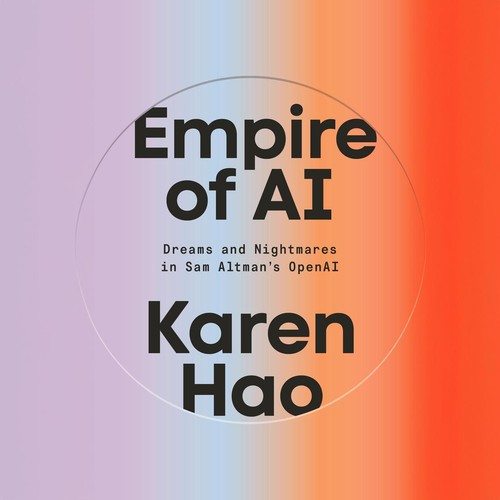
The definitive piece of investigative journalism on OpenAI: 260+ interviews, the clash between safety and speed, and the attempted firing of Sam Altma
As an Amazon Associate, Zendoric earns from qualifying purchases; the price does not change for you. · all our recommended books →
By TechCrunch · July 19, 2026. Apple has sued OpenAI for misappropriation of trade secrets. The complaint, filed last Friday, accuses Sam Altman's company of a pattern of conduct aimed at getting current and former Apple employees to share confidential information. Apple puts the number of its former workers now employed at OpenAI at more than 400 and specifically points to Tang Tan, OpenAI's head of hardware and a former Apple executive, as part of the alleged pattern. OpenAI has responded that it "is not aware of any evidence that this lawsuit has merit."
The backdrop is no accident. For more than a year, OpenAI has been building, together with former Apple chief designer Jony Ive, a hardware division whose first product would be — according to earlier reports covered by TechCrunch — a screenless smart speaker capable of moving on its own. It is, in essence, a device that competes on the same terrain Apple has dominated for two decades: the physical object that mediates between the user and the AI assistant. That the lawsuit arrives precisely now, and targets the person leading that project, does not seem coincidental: as journalist Sean O'Kane noted on TechCrunch's Equity podcast, "Apple doesn't do these things lightly."
The timing sharpens the blow. OpenAI has already filed, confidentially, the paperwork for a possible IPO that could materialize late this year or in early 2027, according to Altman's own — cautious — statements. The business it is going to present to banks and investors is, today, overwhelmingly software; hardware barely registers in the addressable-market calculation. But if part of that promise of future growth depends on a device under litigation, any injunction — or simply the noise of the proceedings — could alter how the company is valued at its stock market debut. A delay in the speaker's launch, even if the court does not formally halt it, already introduces a risk variable that was not previously on the table.
There is a recent precedent that helps read what is coming: OpenAI has just come out unscathed from a trial against Elon Musk, surviving an uncomfortable process in which unflattering internal details emerged but were not lethal for the brand. That experience likely weighs on the decision it now takes: it could opt for a quick settlement to avoid airing its dirty laundry again just before going public, or conclude that it has already shown it can withstand a public trial and would rather fight in court than yield to Apple. Everything points to the latter: a company that has just learned it can survive a media trial does not have the same incentives to compromise as one that has never tested it.
Beyond the judicial outcome, the case illustrates a tension that will define much of this decade: the battle is no longer only over who has the best model, but over who controls the device, the operating system and the distribution that carry AI to the end user. Apple has been building that moat — hardware, app store, closed ecosystem — for twenty years; OpenAI, with Ive, is trying to leap over it directly by creating its own physical layer. When two giants compete to control that "plumbing" of everyday AI, litigating over talent and secrets is one more form of the war, not an anomaly.
Our reading: the short term of the AI industry remains marked by this kind of friction — talent wars, litigation, regulatory and stock market uncertainty — which is the price of a sector growing faster than its rules. None of this contradicts the underlying thesis: the race to embed AI into physical objects that accompany the user all day is, ultimately, a step toward a more accessible and omnipresent technology, not a luxury for the few. But the road there passes, inevitably, through disputes over intellectual property, talent and market power between those who dominate distribution today and those trying to carve out a place. Who wins this lawsuit matters less than the signal it sends: AI hardware has already become a battlefield valuable enough for Apple to defend it with its lawyers even before the rival product reaches stores.
📚 Go deeper
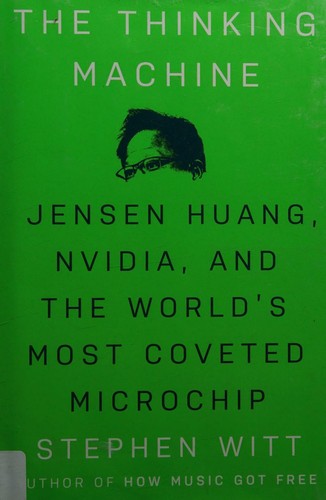
The story of NVIDIA and Jensen Huang: how a video-game card company ended up making the most coveted resource on the planet.
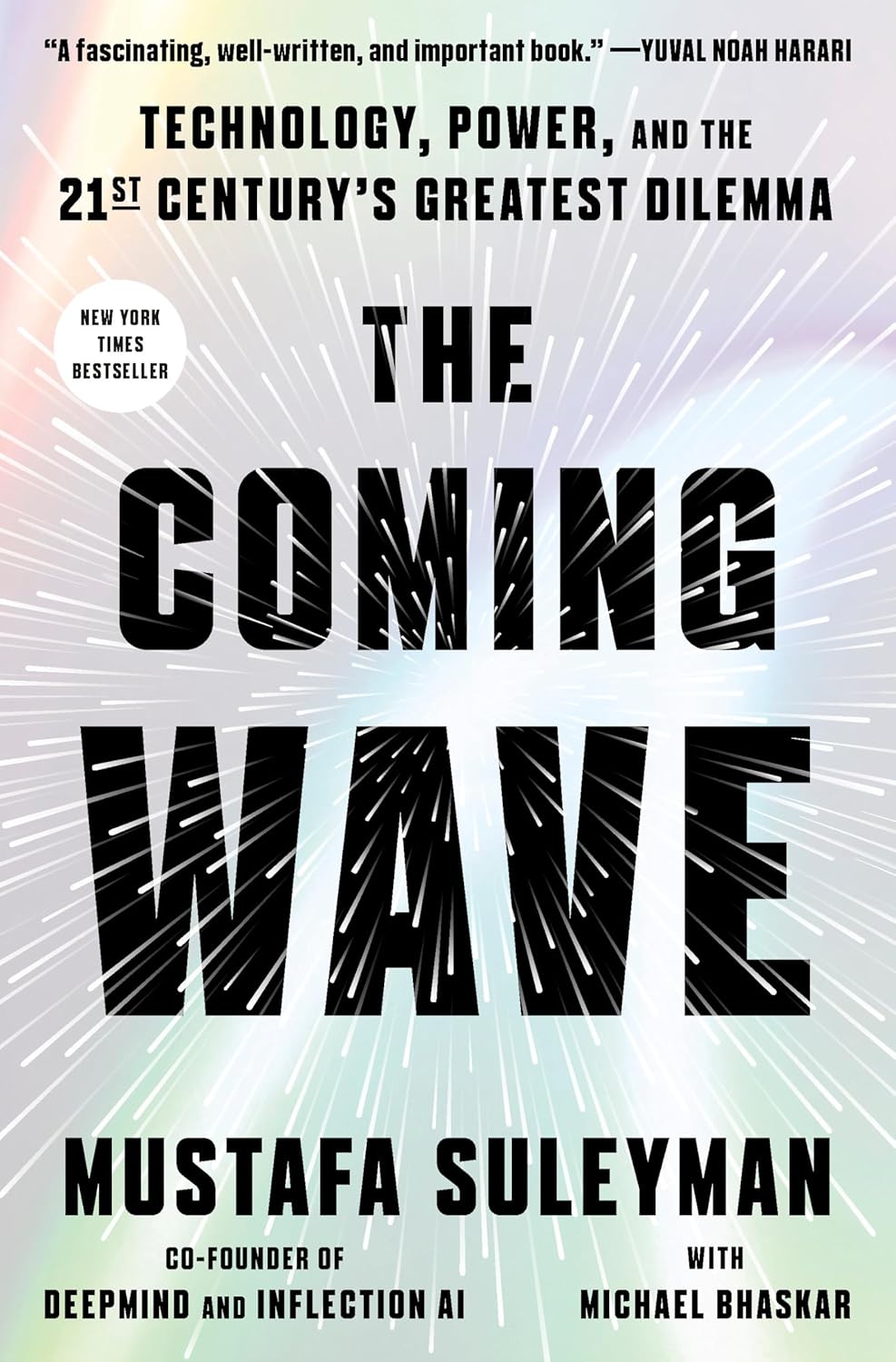
DeepMind co-founder on the dilemma of containing technologies that do not want to be contained.
As an Amazon Associate, Zendoric earns from qualifying purchases; the price does not change for you. · all our recommended books →
🔗 Related on Zendoric