ISSSTE adds AI to mammography: detecting millimeter-scale lesions before breast cancer advances

🕒 Published on Zendoric: July 20, 2026 · 00:19
✨ AI-generated · how it's made
ISSSTE (Instituto de Seguridad y Servicios Sociales de los Trabajadores del Estado de México) announces the use of artificial intelligence to identify millimeter-scale lesions in mammograms and anticipate breast cancer. The announcement, reported by Milenio, comes without technical details about the model or its clinical validation.
📚 Go deeper
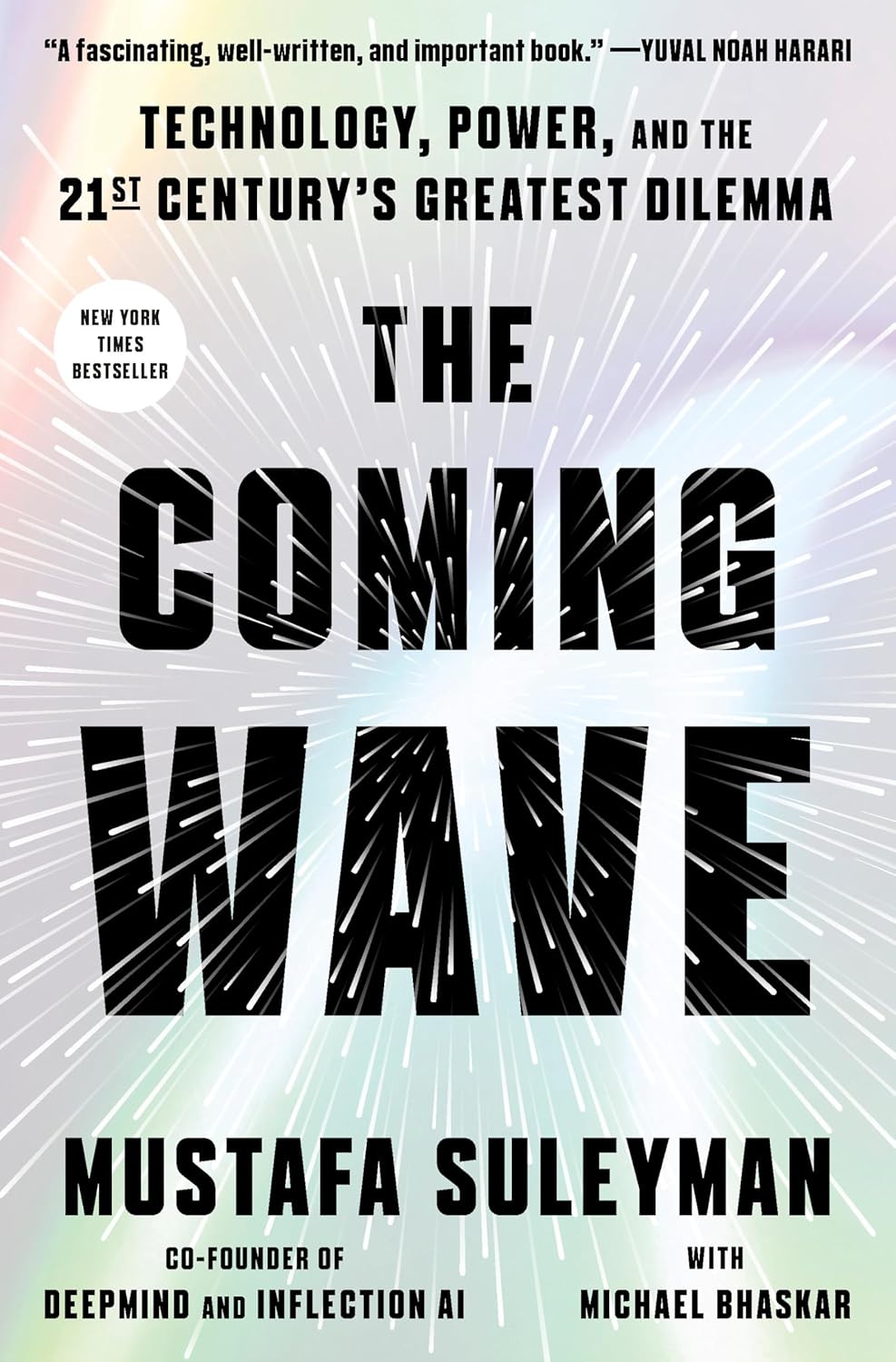
DeepMind co-founder on the dilemma of containing technologies that do not want to be contained.
As an Amazon Associate, Zendoric earns from qualifying purchases; the price does not change for you. · all our recommended books →
By Zendoric · July 19, 2026.
ISSSTE, the institution that provides health coverage to Mexico's state employees, has announced the incorporation of artificial intelligence into its imaging diagnosis processes, with the stated goal of identifying millimeter-scale lesions in mammograms and thereby anticipating breast cancer. Milenio reports the announcement, though without specifying what particular technology is being used, in which medical units it has been deployed, or what clinical validation results back the tool.
That lack of detail matters. In oncological diagnosis, the difference between a promising headline and a real advance lies in the fine print: sensitivity and specificity compared with human radiologists, the size of the validation sample, and whether the system is already in production or still in a pilot phase. Without that data, all we can confirm is the intention ISSSTE has stated, not the real scope of the deployment.
In general, AI-assisted detection in mammography is one of the areas where the technology has shown the strongest results within medicine: several international studies, widely documented in journals such as Nature and The Lancet, have demonstrated that computer vision models can match or surpass individual radiologists in detecting microcalcifications and small nodules, especially serving as a second reader that reduces false negatives. That a public health system in Mexico is joining this trend is fundamentally positive news, even if the current announcement is more a statement of intent than an audit of results.
Our reading is that this kind of institutional announcement deserves follow-up, not immediate applause. Early detection of breast cancer is exactly the kind of application where AI can bring us closer to the long-term horizon we defend at Zendoric: diseases detected earlier, treated in time, with less suffering and less cost for public health systems burdened by waiting lists and shortages of specialists. But that horizon is only met if the deployment comes with transparent validation, public performance figures and real integration into the clinical workflow — not just a press release. We will have to see whether ISSSTE publishes that data in the coming months.
📚 Go deeper

The best starting book if you're not technical: a Wharton professor explains how to work WITH AI — when to delegate, when to supervise, when to keep i

The reference manual for building products on top of AI models: prompts, RAG, fine-tuning, agents, evaluation and deployment.
As an Amazon Associate, Zendoric earns from qualifying purchases; the price does not change for you. · all our recommended books →
🔗 Related on Zendoric
- UCLA Health bets on AI for cancer detection: another sign that precision medicine is no longer just a promise · 2026-06-26
- Virtual prisons and 'AGI' dates: a PR release illustrates how authority is manufactured without substance · 2026-07-13
- A hospital claims to be a pioneer in using AI to detect infections earlier: the promise matters more than the headline · 2026-07-15