Florida doctor charged with using AI 'nudify' apps on photos of minors

🕒 Published on Zendoric: July 20, 2026 · 00:19
✨ AI-generated · how it's made
A former UF physician faces 47 child-pornography counts after investigators say he used AI clothing-removal apps on real photos of girls, per an arrest report. It's a grim preview of the harm cheap generative tools inflict today — long before any distant AI utopia.
📚 Go deeper
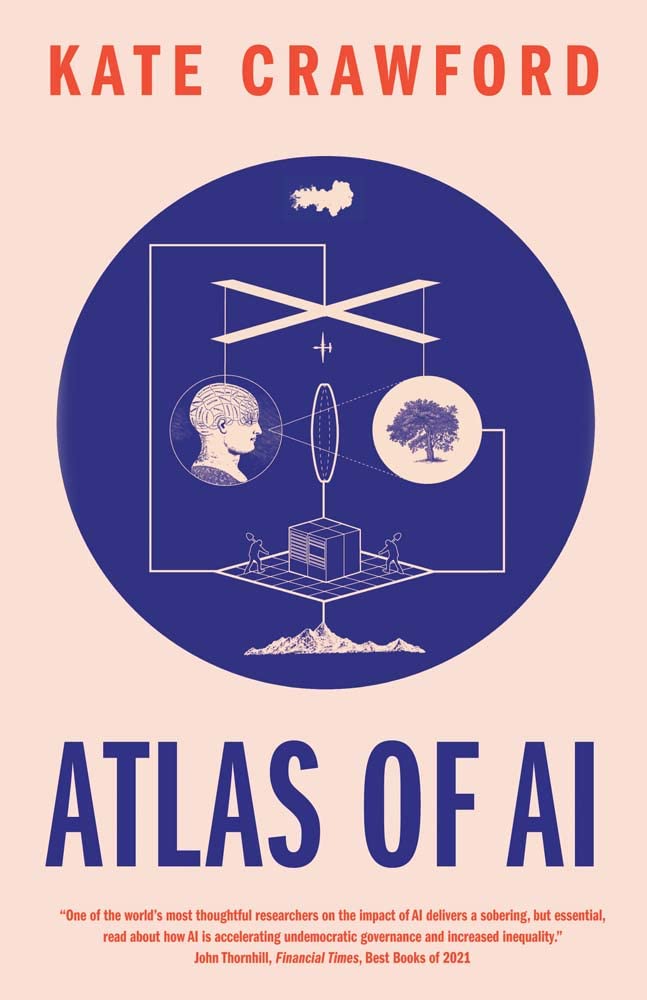
AI as an extractive industry: the lithium, the energy, the underpaid data-labeling work and the bodies behind the cloud.
As an Amazon Associate, Zendoric earns from qualifying purchases; the price does not change for you. · all our recommended books →
Here are the facts, and they come from law enforcement. Chintan Vimalkumar Shah, 40, a former Associate Clinical Professor at the University of Florida and a kidney specialist at UF Health Shands, has been charged with 47 counts related to child sexual abuse material, according to the Alachua Chronicle's account of the arrest report. He was arrested July 8 after deputies followed up on a CyberTip about a Kik account. He is being held without bail. These are accusations; Shah is presumed innocent unless proven guilty.
The AI dimension is central to the complaint. Investigators say they found photos — many apparently screenshotted from social media — of girls around 13 or 14 in bikinis, alongside otherwise identical images in which clothing had been removed and genitalia added. At least one image reportedly carried a watermark indicating it was AI-generated. The detective also described a nude image of an adult woman the report says Shah knew personally, and "numerous" files of conventional CSAM. The new counts include possession and creation of AI-generated child pornography — a legal category that now exists precisely because these tools do.
A word on the technology. So-called "nudify" apps use generative models to synthesize a nude body onto a clothed subject. They are cheap, widely available, and require no skill. What once demanded an expert with photo-editing software is now a few taps — and that collapse in friction is the whole problem. When capability becomes trivial to access, abuse scales with it.
Context beyond this one case: the investigators note that some of the depicted children have been identified and some parents wish to pursue charges. That detail underlines the real-world injury here. This is not a synthetic-versus-real abstraction — real minors' images were taken from public accounts and weaponized. The harm is to actual people, now.
Our reading: we are optimists about where AI can take us — toward curing disease and extending healthy lives — but that optimism is worthless if it edits out the damage happening today. This is the short-term cost side of the ledger we refuse to euphemize. The same generative capabilities that will one day accelerate medicine are, right now, industrializing the production of abuse material. The response can't be resignation. It points to concrete, near-term work: watermarking and provenance standards for generated images, platform-level detection of nudify apps, faster CyberTip pipelines, and clear statutes — like the AI-CSAM counts here — that treat synthetic exploitation as the crime it is. The long-term horizon stays bright only if we take the present harms this seriously.
📚 Go deeper

THE AI textbook: used by 1,500+ universities.

The academic "bible" of deep learning, with a Turing Award winner among its authors, and legally free on the web.
As an Amazon Associate, Zendoric earns from qualifying purchases; the price does not change for you. · all our recommended books →
🔗 Related on Zendoric
- AI 'nudify' apps turn a kidney doctor's phone into a case study in on-demand abuse · 2026-07-19
- A Tennessee high school charges two minors for creating AI sexual images of classmates · 2026-09-03
- When generative AI becomes a weapon against minors: a case that demands a legal response, not just a technological one · 2026-07-18