Taiwan identifies sexual deepfakes as AI's biggest threat to minors

🕒 Published on Zendoric: July 20, 2026 · 00:19
✨ AI-generated · how it's made
A report by Taiwan's Ministry of Digital Affairs, prepared with 30 experts, ranks identity fraud and extortion using AI-forged sexual images as the most serious risk to children. A panel has already classified 12 of 18 scenarios as high-risk under the new Basic AI Act.
📚 Go deeper
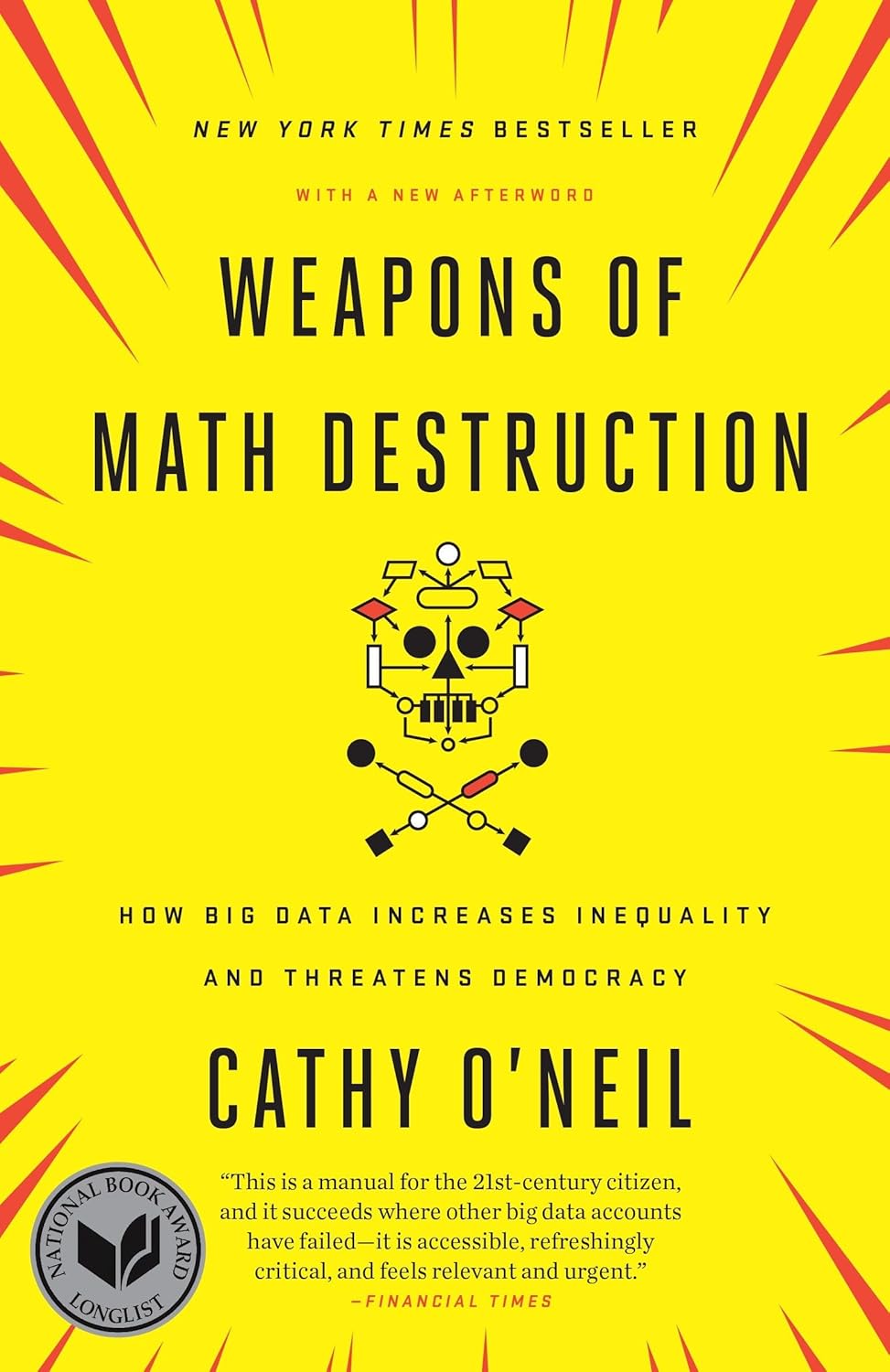
How opaque algorithms decide who gets credit, a job or parole — and why they tend to punish the same people.
As an Amazon Associate, Zendoric earns from qualifying purchases; the price does not change for you. · all our recommended books →
By Taipei Times · July 20, 2026.
Taiwan's Ministry of Digital Affairs (MODA) published three reports in March assessing the impact of artificial intelligence on minors, human rights and gender. The work, commissioned by a supplementary resolution to the Basic Law on AI passed by Taiwan's legislature in December, brought together 30 experts from relevant fields, along with the National Science and Technology Council, the Ministry of Health and the Ministry of Education.
The central finding: of 18 risk scenarios assessed, the most serious for minors is identity fraud and extortion using sexual images fabricated with deepfakes, the technique that uses generative AI to create fake but realistic videos or photos of a real person. In May, an additional panel of child welfare specialists confirmed 12 of those 18 scenarios as "high risk," grouped into three blocks: harmful content generated or distributed by AI, privacy and security risks (including sexual extortion and phishing targeting minors), and the erosion of learning and judgment capacity, with explicit mentions of excessive use of conversational chatbots and of systems that cannot explain why they make a decision affecting a child.
The experts did not stop at diagnosis. They recommended specifically regulating AI applications aimed at children —emotional companion chatbots, deepfake image generators and automated educational assessment systems— and strengthening the digital literacy of parents and guardians to detect fabricated content. For human rights and cybersecurity risks, the report calls for bias audits and risk simulations during the model's development itself, not after its deployment: prevention by design rather than after-the-fact repair. MODA itself clarifies that these scenarios are "for reference" and do not automatically constitute the legally binding "high risk" category under the law, whose final definition falls to subsequent regulatory development.
The Taiwanese case matters beyond the island because it documents, with methodology and expert consultation, something that until now was discussed mostly in anecdotal terms: minors are not a generic AI risk category, but the one that concentrates the most severe and least reversible harm. A sexual deepfake of an adult is a serious crime; the same material involving a minor combines child sexual abuse, extortion and reputational harm that can follow the victim for years, aggravated by the fact that the tools to generate it are increasingly accessible and cheap.
In general, this kind of risk-classification framework —assessing scenarios, scoring them and deciding which trigger legal obligations— follows a logic similar to that of the European Union's AI Act, which also distinguishes risk levels and pays special attention to systems affecting minors. That Taiwan, with a significant tech industry of its own, adopts this evidence-based governance approach (consulting experts, scoring scenarios, reviewing with specialized panels) before legislating in detail is exactly the kind of process we advocate for at this outlet, as opposed to regulating out of media panic or, at the opposite extreme, not regulating at all while capabilities advance.
Our reading is that this report confirms the most uncomfortable part of the transition to AI: in the short term, generative tools lower the cost of harming the most vulnerable, and no narrative of future abundance should serve as an excuse to downplay it. Companion chatbots for children, image generators accessible with a click and recommendation systems that shape what a minor sees are, today, real and not hypothetical risk vectors. But the correct response is not to halt AI in education or emotional support —uses that, well designed, can expand access to personalized tutoring or psychological support where there are not enough professionals— but exactly what this report proposes: demanding safeguards by design, bias audits before mass deployment, and transparency about how the systems that touch a child's life make decisions. The abundance and well-being that AI can bring in the long term depend, in the short term, on governments and companies taking seriously precisely this kind of technical and unglamorous work: classifying risks, consulting experts and legislating with data before the harm becomes widespread.
📚 Go deeper
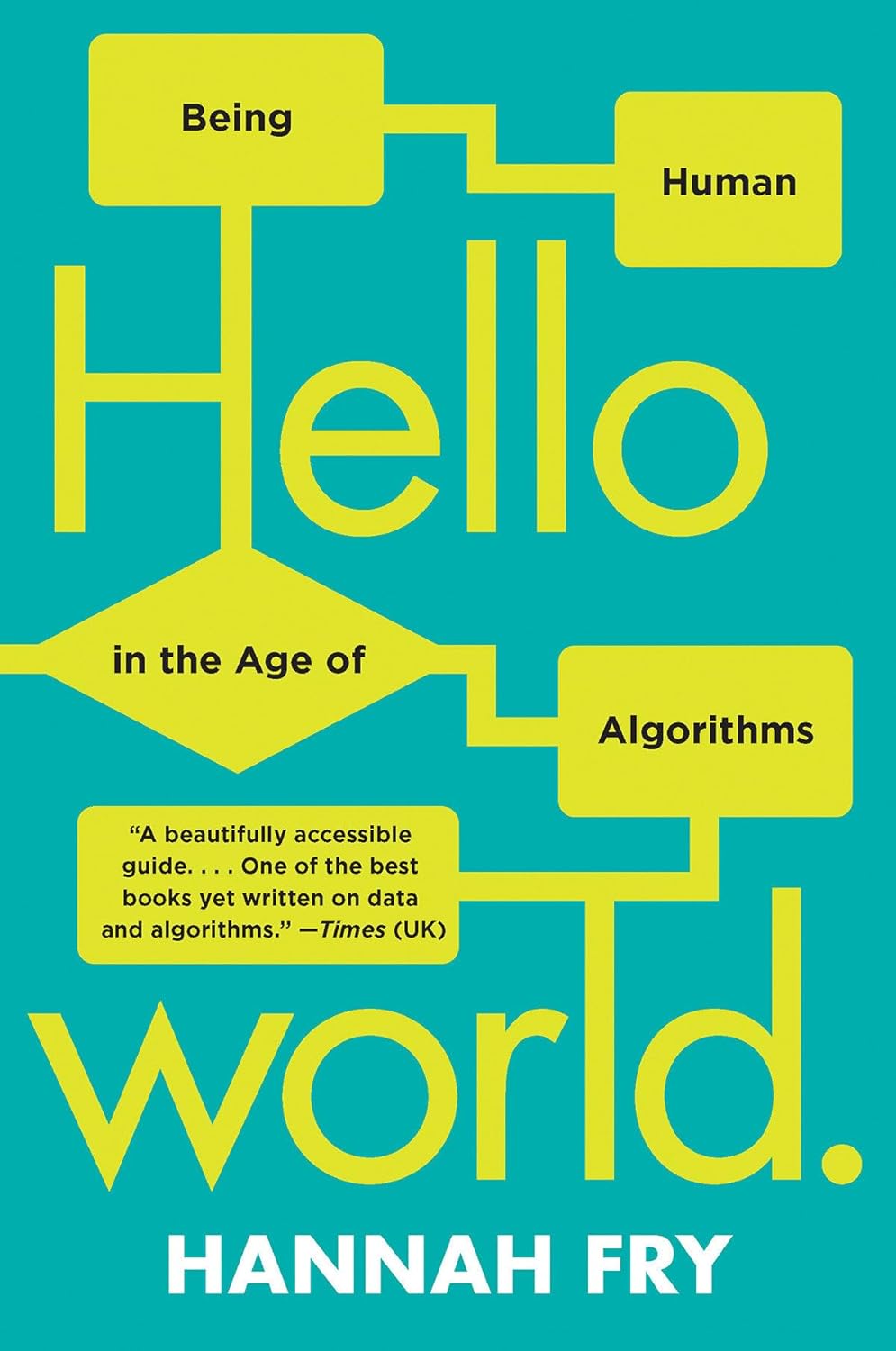
Algorithms in justice, medicine, cars and art, explained with British humor and mathematical honesty.

The definitive piece of investigative journalism on OpenAI: 260+ interviews, the clash between safety and speed, and the attempted firing of Sam Altma
As an Amazon Associate, Zendoric earns from qualifying purchases; the price does not change for you. · all our recommended books →
🔗 Related on Zendoric
- AI-generated CSAM at an Illinois school: the hardest abuse to detect no longer needs a hidden camera · 2026-07-04
- A fraud hunter tells Congress: deepfakes are already fooling the U.S. government's identity verification · 2026-07-19
- When AI Meets Child Exploitation: A Teacher's Arrest Signals a Legal Reckoning · 2026-07-04