Scam.ai launches Halo, a deepfake detector for video calls that never leaves the computer

🕒 Published on Zendoric: July 20, 2026 · 00:19
✨ AI-generated · how it's made
Scam.ai unveiled Halo at Computex 2026, a model that analyzes live video within the device itself—without uploading it to the cloud—to detect deepfakes in work video calls. Developed together with Qualcomm, it targets hiring interviews and executive meetings first.
📚 Go deeper
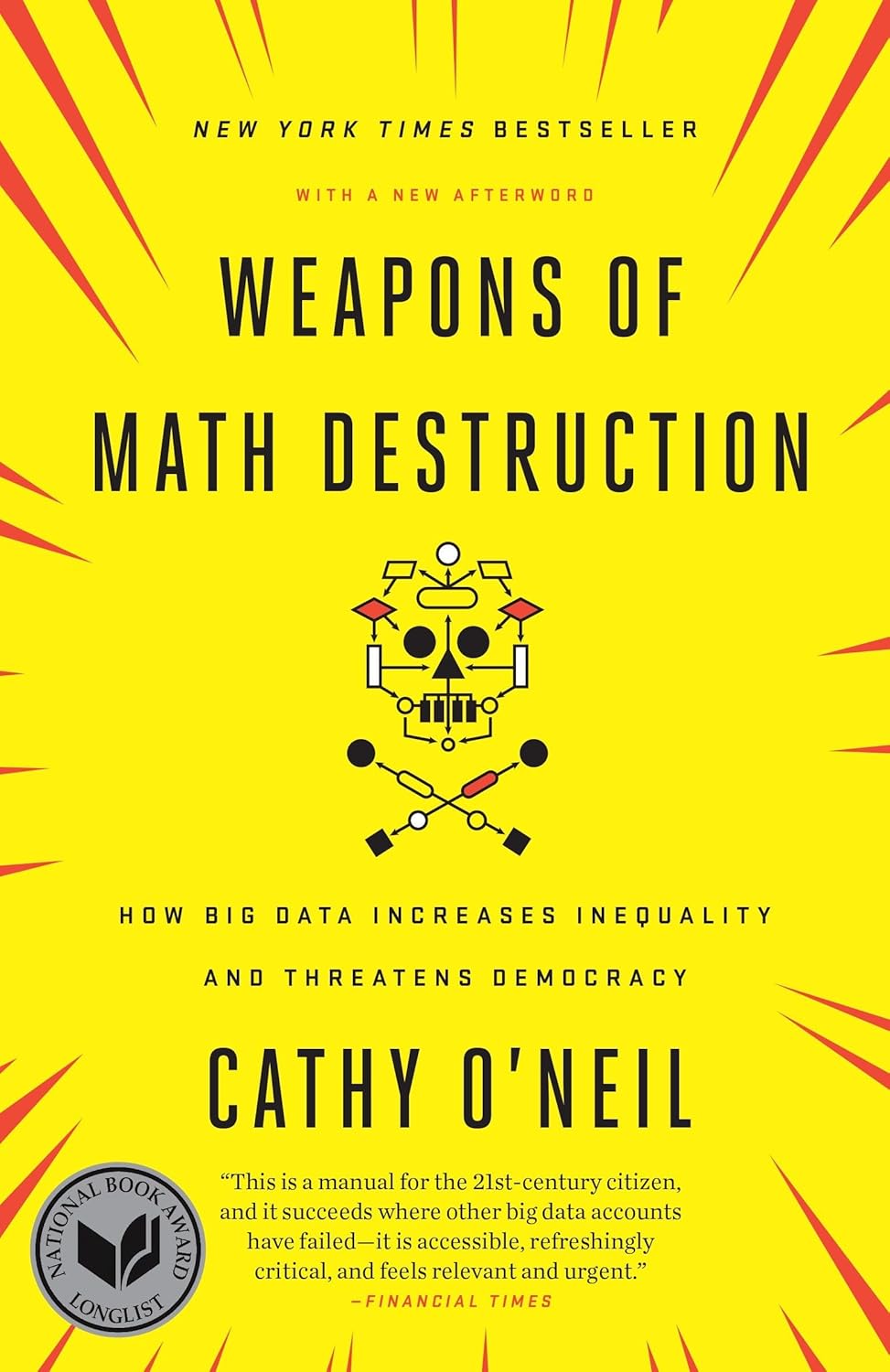
How opaque algorithms decide who gets credit, a job or parole — and why they tend to punish the same people.
As an Amazon Associate, Zendoric earns from qualifying purchases; the price does not change for you. · all our recommended books →
By Trend Hunter · July 19, 2026.
Scam.ai unveiled Halo, a deepfake detection model that runs on the device itself, at Computex 2026, the Taipei technology fair. The development comes hand in hand with Qualcomm: Halo is optimized for desktop computers with the company's processors and runs in the background during a video call, analyzing the image in real time without sending the video to any external server. As Scam.ai itself describes, the system flags in the moment whether a participant's video is synthetic, and it is designed to integrate into existing videoconferencing flows. The company says it will announce more integrations and platform partnerships in the coming months.
The stated goal is very specific: to protect job interviews and high-risk meetings against identity impersonation. It makes sense as a first use case. In general, over the past couple of years two patterns of video-call fraud have been persistently documented: finance employees deceived by videoconferences with deepfakes of executives authorizing transfers, and campaigns of remote workers with falsified identities —including the face— who manage to get through selection processes conducted entirely by video. A verifier that runs on the equipment itself, without depending on the video traveling to a server, fits that threat: HR and management are precisely the profiles that hold one-off video calls with strangers, the scenario where impersonation is cheapest to set up and most expensive to detect in time.
The fact that the analysis is done on-device, on the equipment itself and not in the cloud, is no minor detail. It reduces latency —relevant in a live call— and avoids moving sensitive recordings of interviews or board meetings outside the organization, which is exactly the type of data a company does not want to hand over to a third party. It is also a form of hardware differentiation: for Qualcomm, turning its chips into the place where identity verification happens is a way to sell silicon with a built-in security function, not a separate software add-on. Intel, AMD or laptop makers with their own NPU can be expected to respond with equivalent offerings; deepfake detection at the edge looks set to become one more box on the spec sheet of corporate equipment, just as the fingerprint reader or the camera with a physical shutter is today.
That said, it is worth reading the announcement with the usual caution. Neither Scam.ai nor the sources cited here provide a figure for accuracy, a false-positive rate or an independent evaluation of Halo against current deepfake generators; it is a product presentation at a fair, not a technical report. Detecting synthetic content is, by nature, an arms race: every improvement in detectors pushes generators to produce cleaner video, and vice versa. A system that today reliably flags a falsified video call is not guaranteed to keep doing so a year from now, unless it is updated at the same pace as the generation. Tools like this are necessary, but they should not be sold —or bought— as a closed solution.
Our reading is that this type of product fits an underlying trend we have been pointing to: trust is becoming market infrastructure. Just as certifications have emerged for healthcare AI, or sales arguments based on verifiable security, now a layer of audiovisual identity verification is appearing embedded in videoconferencing hardware itself. In the short term, this is reactive defense against a fraud that is already happening and that hits above all the people who trust by default what they see on screen. In the long term, however, it points to something more valuable: if organizations can trust that a video interview or negotiation is genuine, the door opens for more high-value interactions —hiring, banking, remote medical care— to be settled without physical travel, with the savings in time and resources that entails. The abundance AI promises does not depend only on models being more capable, but on our being able to trust whom, or what, we are talking to on the other side of the screen.
📚 Go deeper

The best starting book if you're not technical: a Wharton professor explains how to work WITH AI — when to delegate, when to supervise, when to keep i
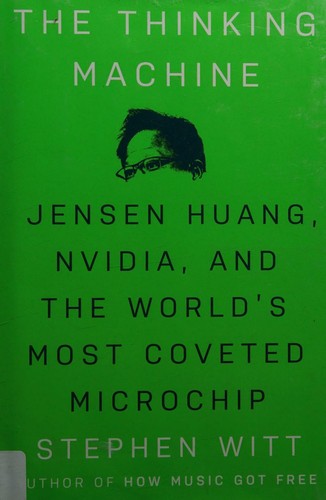
The story of NVIDIA and Jensen Huang: how a video-game card company ended up making the most coveted resource on the planet.
As an Amazon Associate, Zendoric earns from qualifying purchases; the price does not change for you. · all our recommended books →
🔗 Related on Zendoric
- Meta launches Muse Image, its first image-generation model from Meta Superintelligence Labs · 2026-07-09
- Perplexity launches hybrid compute on Mac: cloud and local models to protect sensitive data · 2026-09-08
- Windows bets on "hybrid intelligence": local and cloud AI agents, with beefed-up security · 2026-10-11